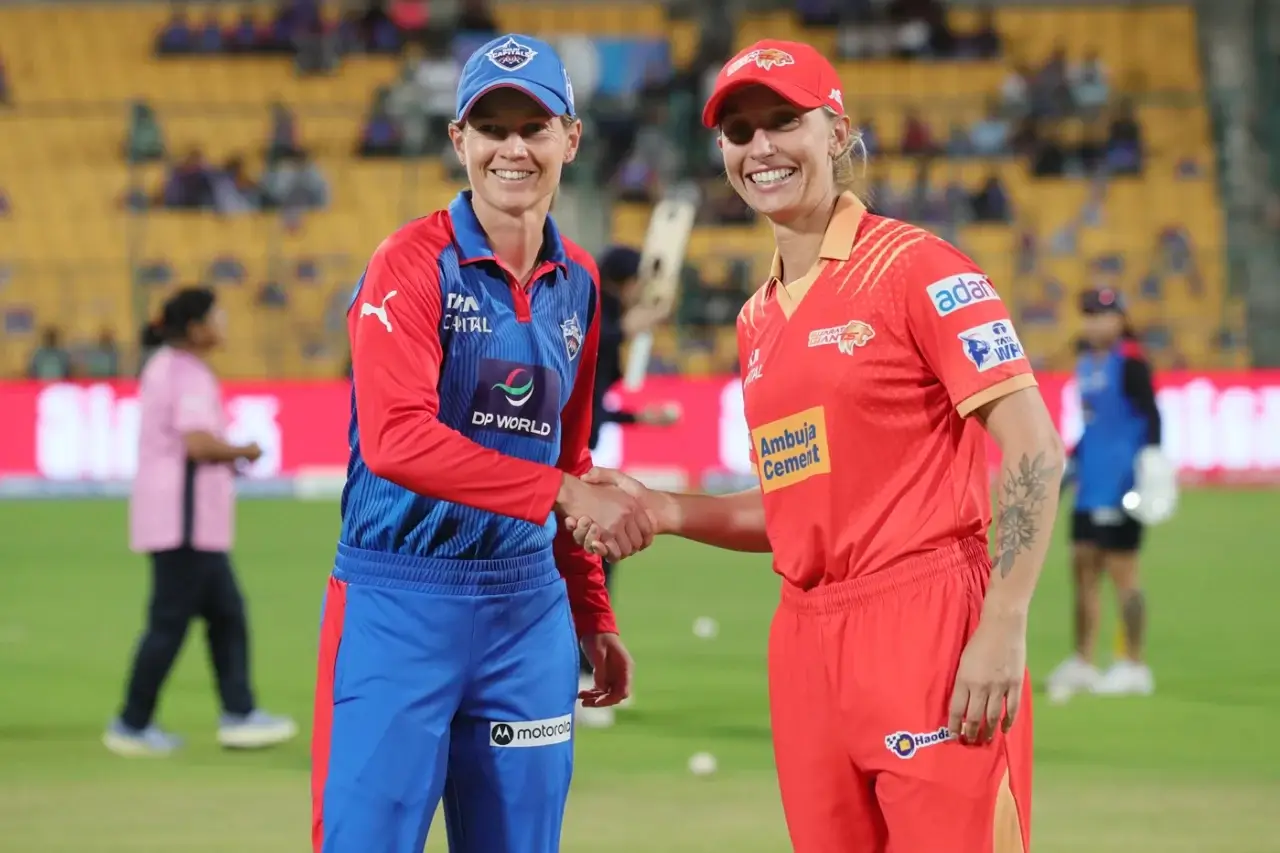
India’s women’s cricket journey has entered a confident new phase. The recent ODI World Cup triumph gave belief. But belief alone does not create dominance. That requires systems, depth, and ruthless consistency. According to Smriti Mandhana and Harmanpreet Kaur, the Women’s Premier League has become that missing system.
The WPL now sits at the centre of India’s long-term planning. It is no longer just a domestic tournament. It is a high-pressure laboratory for future international success. With the ICC Women’s T20 World Cup approaching, every match carries selection value. Every over becomes a test of temperament.
Mandhana made it clear that India does not want one-off success. The goal is sustained supremacy across formats. Harmanpreet echoed the same sentiment. She stressed mindset over medals. The WPL, they believe, is closing the gap between potential and performance. It is also redefining how young Indian players think, train, and compete.
As WPL 2026 begins, the conversation is no longer about growth. It is about control. Can India turn momentum into an era? The answers, increasingly, are being written in the WPL.
WPL as the Bridge Between World Cup Glory and Sustained Dominance
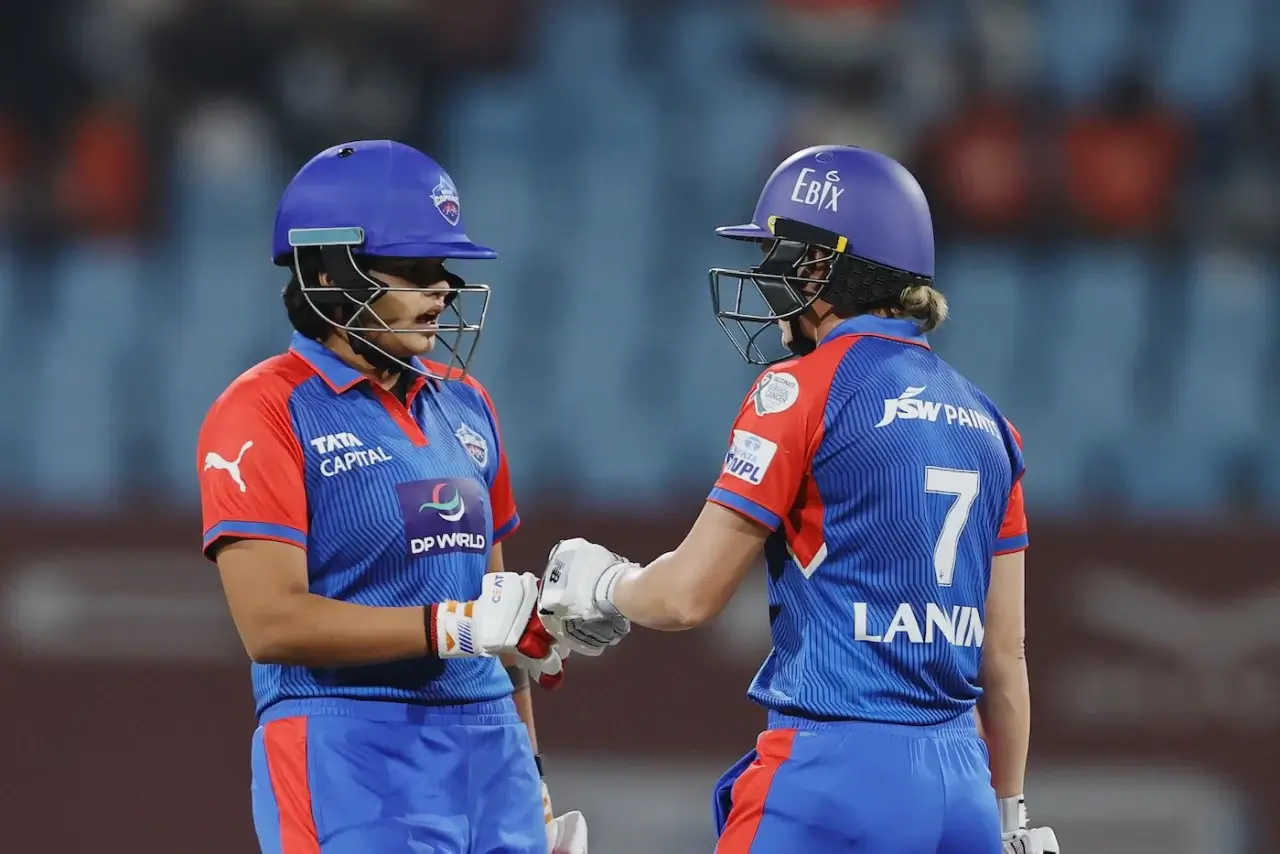
India’s ODI World Cup win was historic. Yet both leaders agree it was only a starting point. Mandhana openly admitted that India still has gaps. Skills can improve. Game awareness must sharpen. Consistency remains the biggest challenge.
The WPL acts as a direct bridge between success and sustainability. Unlike short bilateral series, it provides sustained competitive exposure. Players face pressure every week. Matches are intense. Expectations are relentless. This environment mirrors global tournaments.
Mandhana highlighted how momentum carries forward naturally. The transition from World Cup celebrations to WPL competition keeps players mentally switched on. There is no comfort phase. No emotional drop. That continuity matters deeply in elite sport.
The league also forces players to adapt quickly. Conditions change. Roles shift. Opposition analysis becomes sharper. These adjustments prepare players for international unpredictability. Over time, this reduces shock value at the global level.
India’s dominance will not come from talent alone. It will come from familiarity with pressure. The WPL is steadily normalising pressure situations. That is why its impact goes far beyond domestic trophies.
Why Smriti Mandhana Sees WPL as India’s Long-Term Power Source?
Mandhana’s vision extends well beyond the next tournament. She spoke about wanting India to be the world’s best team all year. Not just during World Cups. That philosophy defines elite sporting nations.
Mandhana emphasised improvement areas honestly. She acknowledged that being champions does not mean being complete. The WPL exposes flaws faster than international cricket sometimes does. Weak matchups are punished. Tactical errors are costly.
This constant feedback loop accelerates learning. Players return to India camps sharper and more self-aware. Coaches also gain clarity on roles. The result is better alignment across formats.
For Mandhana, WPL success is not about dominance over opponents. It is about dominance over complacency. That mindset shift could define India’s next decade.
Harmanpreet Kaur and the Rise of a Relentless Winning Mindset
Harmanpreet’s words carried quiet authority. She stated clearly that one World Cup is not enough. That statement reflects cultural change. Earlier teams chased milestones. This team chases standards.
She credits the WPL for embedding that culture. Young players now arrive with ambition, not awe. They talk about winning titles. They expect success. That psychological shift is crucial.
The captain pointed out alignment between seniors and newcomers. Goals understand no hierarchy now. Everyone wants championships. Everyone accepts accountability. This unity strengthens dressing-room trust.
The WPL environment encourages this thinking. Losing is visible. Mistakes are public. Recovery must be quick. Players learn resilience early. That resilience translates directly to international cricket.
Harmanpreet believes Indian cricket is setting bigger goals. Not because it sounds inspiring. But because the system now supports those goals. The WPL has become the backbone of that belief.
High-Pressure Exposure Is Fast-Tracking Young Indian Talent
One of the WPL’s greatest contributions is pressure exposure. Young players are no longer protected. They face overseas stars regularly. They bat and bowl in decisive moments.
Harmanpreet explained how comfort zones have disappeared. Players work harder. They prepare better. They adapt faster. This mirrors elite global leagues. The learning curve steepens dramatically.
Earlier, domestic stars struggled initially at international level. The gap felt wide. The WPL has narrowed that gap significantly. Players now arrive prepared for pace, power, and pressure.
Playing alongside overseas professionals accelerates tactical understanding. Field placements. Matchups. Tempo control. These lessons cannot be taught theoretically. They must be experienced.
The result is confidence rooted in competence. Not hype. Not potential. Actual readiness. That readiness strengthens India’s bench depth significantly.
Why WPL Keeps India’s Selection Door Permanently Open?
Mandhana made one point very clear. No door is ever closed. Performance still matters. Especially in the WPL.
This openness keeps the tournament fiercely competitive. Players know strong seasons get noticed. Extraordinary performances create opportunities. Even outside the current squad.
Selection is not guaranteed. Fit matters. Balance matters. But visibility matters too. The WPL provides that platform. Players control their own narrative through performances.
As the T20 World Cup approaches, WPL performances will weigh heavily. Not emotionally. But objectively. That clarity benefits both selectors and players.
Mumbai Indians, RCB, and the Franchise Effect on Leadership Growth
The WPL’s franchise structure plays a hidden role. Leadership exposure. Decision ownership. Tactical responsibility. These elements shape future captains.
Harmanpreet leading the Mumbai Indians and Mandhana captaining the Royal Challengers Bengaluru creates leadership depth. Different environments. Different pressures. Same accountability like mumbai indians men’s team enjoys in IPL.
Players observe leadership styles closely. They learn communication. Crisis management. Player handling. These skills transfer directly to national duties.
Franchise rivalries also sharpen competitive instincts. Familiar opponents create mental battles. Patterns develop. Adjustments follow. This tactical chess benefits international cricket later.
The league is quietly building India’s future leaders. Not through speeches. Through responsibility.
Can WPL Momentum Power India Toward T20 World Cup 2026?
With less than six months remaining, timing matters. The WPL arrives perfectly. Mandhana believes momentum carries forward naturally. Players stay mentally engaged. Match fitness peaks at the right time. Confidence grows without artificial hype.
The WPL also allows selectors to test combinations indirectly. Observations become data. Pressure reveals truth. This reduces World Cup guesswork.
India’s challenge will be balance. Managing workloads. Avoiding burnout. Maintaining hunger. But the foundation is strong.
If India enters the T20 World Cup battle-hardened, adaptable, and fearless, much of that credit will trace back to the WPL. Not as a tournament. But as a mindset factory.
The Women’s Premier League is no longer an experiment. It is India’s competitive engine. Mandhana and Harmanpreet see it clearly. The league builds pressure tolerance. It sharpens ambition. It aligns goals across generations.
India’s women’s team is thinking beyond trophies now. It is thinking about control. Consistency. Culture. That shift separates champions from dynasties. The WPL is not promising dominance. It is preparing India to earn it.