

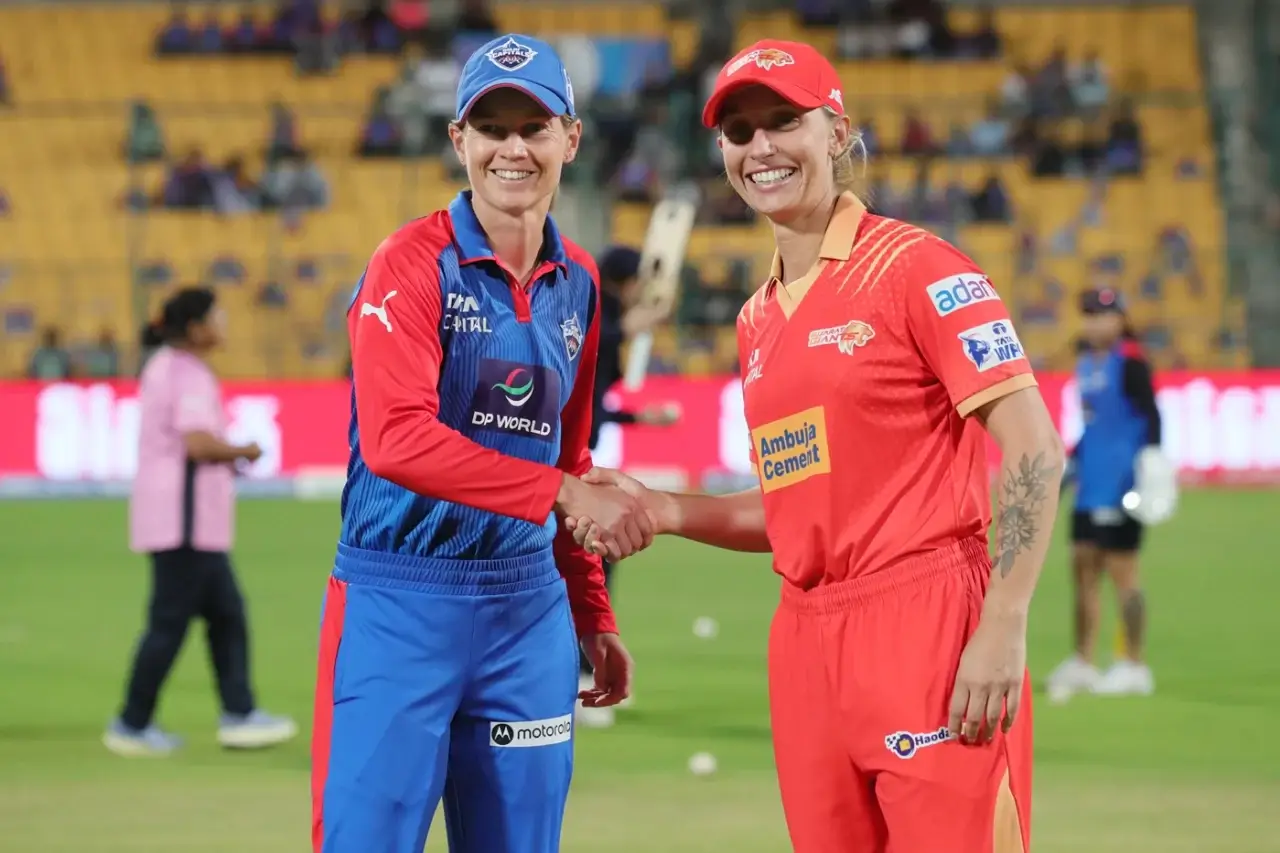
In a short tournament like the Women’s Premier League, leadership style often outweighs raw squad strength. Matches turn quickly, momentum swings sharply, and teams rarely have time to recover from confusion. This is where leadership temperament becomes decisive. UP Warriorz appear to have prioritised calm authority by appointing Meg Lanning. Her track record suggests a preference for clarity, defined roles, and predictable decision-making. That steadiness can reduce panic during collapses or tight chases.
RCB, by contrast, lean toward collaborative leadership under Smriti Mandhana. Without a dominant on-field lieutenant like Ellyse Perry, Mandhana’s role expands beyond tactics into emotional regulation. That can empower players, but it also risks diffused accountability. In WPL 2026, leadership will not be judged by press conferences or intent, but by how teams behave in their worst five overs. The side that stays organised under stress will gain an edge that talent alone cannot provide.
How Squad Continuity Could Separate Contenders From Chasers?
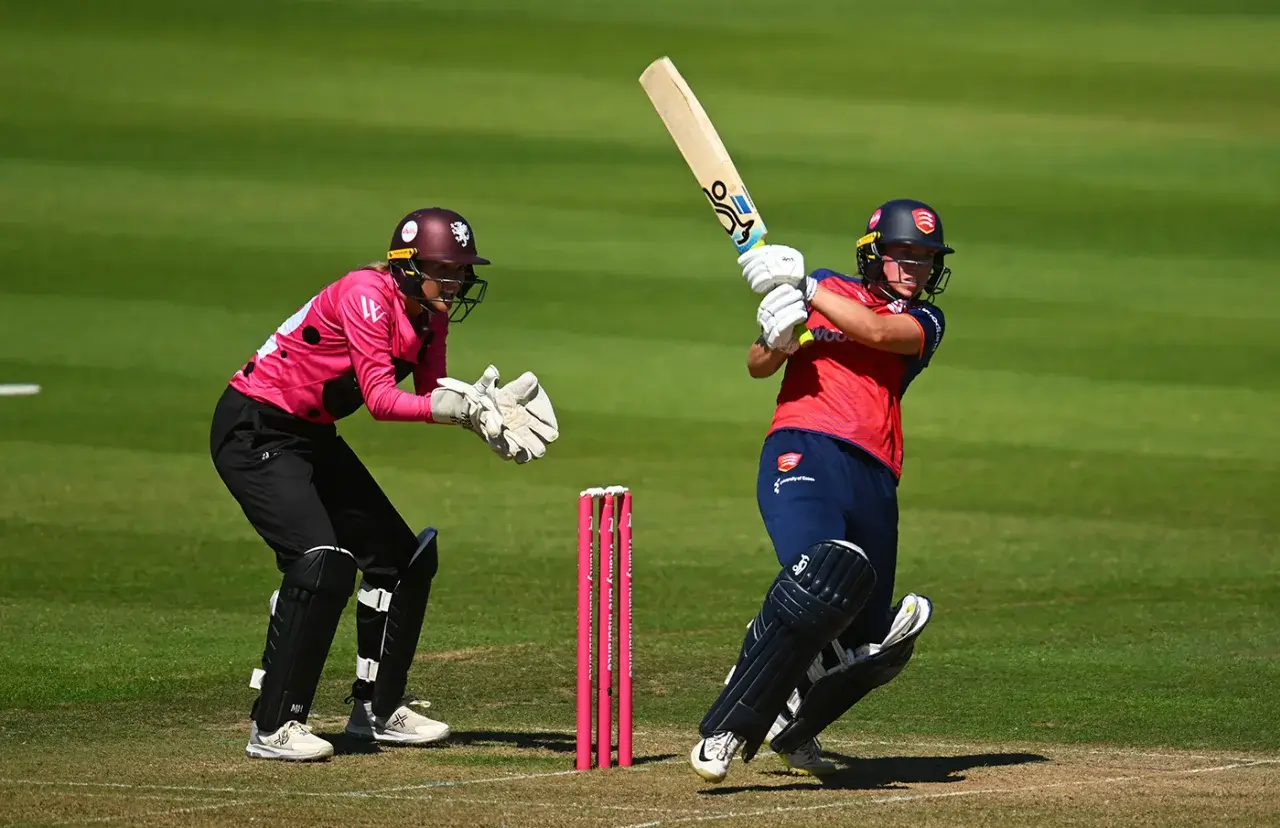
Continuity is an underrated currency in franchise cricket. UP Warriorz struggled in previous seasons partly because constant changes prevented rhythm. For 2026, they have consciously restored familiar faces while upgrading quality. Retaining players like Deepti Sharma and Sophie Ecclestone alongside new leadership creates a blend of comfort and authority. Players know expectations, roles, and combinations before stepping onto the field. That reduces decision fatigue.
RCB’s squad, while deep, is newer in composition. Multiple allrounders provide options, but options can also create uncertainty. Who bowls when? Who bats through collapse? These answers emerge only through repetition. Early-season results will likely hinge on which team settles faster. Continuity does not guarantee success, but lack of it often guarantees mistakes. In a tournament where each match carries outsized importance, familiarity with roles may quietly decide who advances and who merely competes.
The Importance of Middle-Overs Control in This Matchup
Middle overs are where WPL games are most often decided. Powerplay intent sets tone, death overs provide finish, but the middle phase determines control. UP Warriorz have clearly targeted this zone. The combination of Deepti, Ecclestone, and Asha Sobhana allows them to slow scoring without relying on wickets. That is crucial on Indian surfaces, where defending totals often requires choking momentum rather than attacking relentlessly.
RCB also possess quality options, with Radha Yadav and Shreyanka Patil offering control, supported by seamers capable of holding length. The difference lies in intent. Warriorz seem built to dictate middle overs as a primary strategy. RCB appear more reactive, using middle overs to bridge phases rather than dominate them. In tight contests, the team that owns overs 7–15 usually controls outcomes. If Warriorz can consistently win this phase, they reduce pressure on both batters and death bowlers, a formula that travels well across venues.
Why Early Fixtures Could Shape Each Team’s Identity?
The opening week of WPL 2026 may quietly shape how both teams view themselves. Early wins reinforce belief. Early confusion magnifies doubt. UP Warriorz begin the season needing validation that their rebuild has direction. A calm, controlled start under Lanning would reinforce trust in structure and patience. Even narrow wins would serve that purpose.
RCB face a different test. Without Perry, early fixtures will expose whether shared responsibility works in practice. A strong bowling performance early could immediately justify their auction strategy. Conversely, batting stumbles may intensify scrutiny around Mandhana’s support system. In short tournaments, teams rarely reinvent themselves mid-season. They amplify what already exists. That makes the first three games disproportionately influential. For Warriorz, they are about confirming clarity. For RCB, they are about proving adaptability. WPL 2026 may not be decided in January’s first week, but identities certainly will be.