

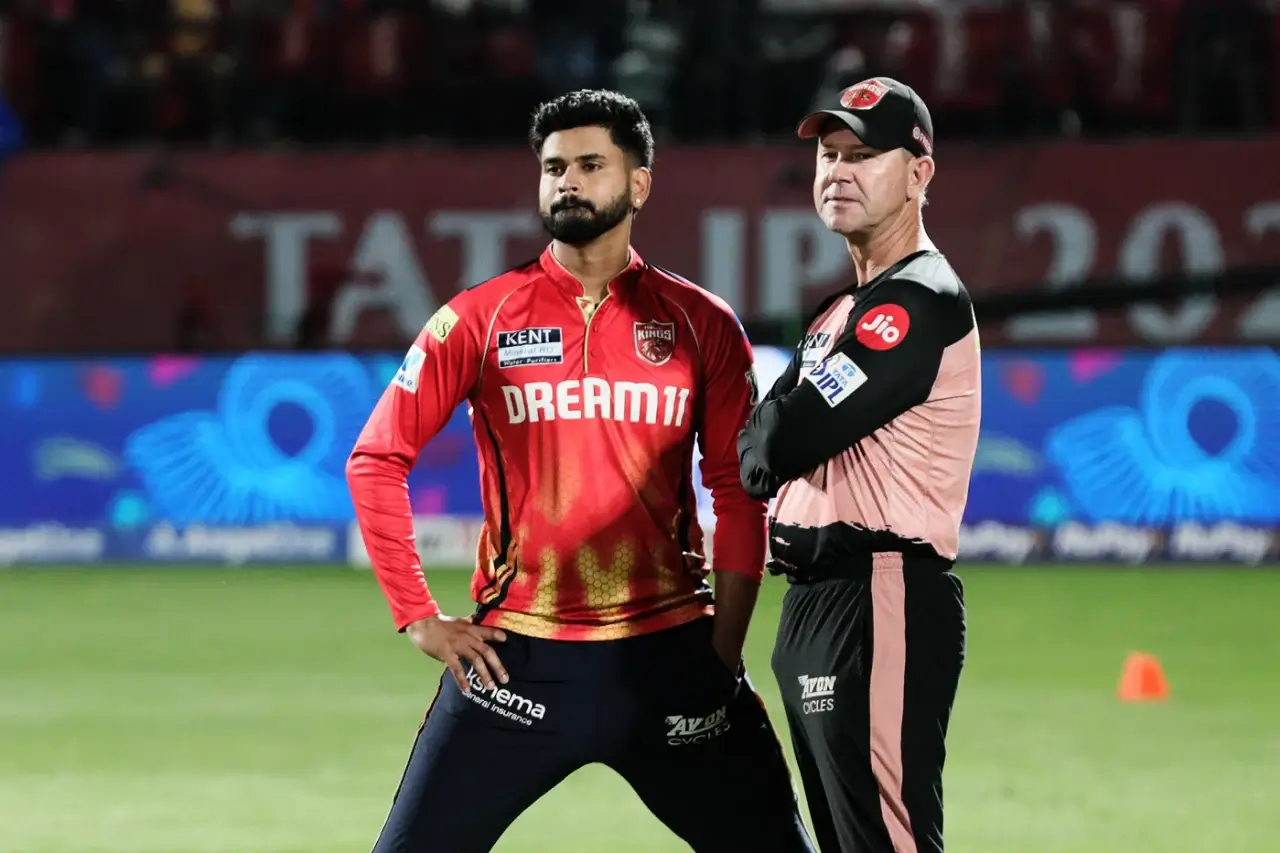
For years, Punjab Kings entered matches against Mumbai Indians with hope but little structural advantage. Talent existed, moments arrived, but control rarely followed. That pattern is beginning to shift under Ricky Ponting.
Ponting’s influence is not cosmetic. It is cultural, tactical, and deeply process-driven. Punjab are no longer built around mood or momentum. They are being rebuilt around repeatable decision-making. That shift directly impacts how they match up against teams like Mumbai Indians, who thrive on exploiting chaos.
This article explains why PBKS look different under Ponting, how leadership clarity has changed outcomes, and why the MI–PBKS dynamic may no longer follow old scripts.
How Leadership Stability Has Changed PBKS’ Identity
Punjab Kings against teams like the Mumbai Indians have historically experienced losses and leadership turnover. Captains changed. Philosophies shifted. Players rarely knew whether they were part of a long-term plan or a short-term patch.
Ponting has reversed that uncertainty. His first priority was stabilisation. Clear authority. Clear hierarchy. Clear expectations. Players now understand where they stand and what is expected over multiple seasons, rather than just matches.
This stability matters against the Mumbai Indians because MI excel at targeting confusion. When roles blur, MI squeezes. When leadership wavers, MI accelerates. Under Ponting, PBKS show fewer cracks for MI to exploit. Leadership is no longer reactive. It is premeditated. That alone narrows the gap in high-pressure fixtures.
Why Role Clarity Is Punjab’s Biggest Upgrade Against MI?
One of PBKS’ historic weaknesses against MI was role overlap. Too many players tried to do too much. That usually ended with collapses in decisive phases.
Ponting has simplified responsibilities. Each player now owns a phase. Powerplay hitters hit. Anchors anchor. Finishers finish. Bowlers know whether they are containment options or strike weapons.
This matters enormously against MI, who plan overs in advance. MI bowlers thrive when batters hesitate. PBKS batters now enter overs with intent already defined.
Role clarity reduces hesitation. Against Mumbai’s precision, hesitation is fatal. Under Ponting, Punjab have reduced that margin.
How PBKS’ Mental Approach Has Shifted in Big Matches?
Punjab used to treat MI matches emotionally. Early wickets lifted belief. A couple of boundaries inflated confidence. Then pressure arrived—and panic followed.
Ponting has reframed pressure as routine. Big matches are no longer treated as events. They are treated as execution exercises. This psychological reset is subtle but crucial.
Against MI, moments swing quickly. Ponting-trained teams absorb swings without chasing control. That composure reduces collapses and keeps games alive deeper.
PBKS no longer need perfect starts to compete. They now trust structure to recover from setbacks. That mental resilience is new—and dangerous.
Why PBKS’ Bowling Planning Looks More MI-Like Now?
Mumbai Indians dominate through bowling planning, not raw aggression. Ponting has imported that mindset into PBKS.
Punjab’s bowlers now attack zones, not batters. Field placements are proactive. Matchups are planned before tosses, not improvised mid-over.
This has changed how PBKS approach MI’s batting depth. Instead of searching for wickets emotionally, they restrict scoring lanes and force MI batters to manufacture risk.
Bowling is no longer about moments. It is about sequences. That shift directly challenges MI’s usual late-innings dominance.
What Ponting Has Changed About PBKS’ Auction Philosophy?
Ponting’s influence extends into squad construction. PBKS no longer chase highlight players. They target functional profiles.
Mumbai Indians build squads backward from roles. Ponting is now doing the same at Punjab. Each signing answers a specific question rather than a marketing need.
This alignment reduces tactical gaps. Against MI, Punjab used to lose before the toss because squad balance favoured MI flexibility. That gap is narrowing.
Better squad logic does not guarantee wins. But it ensures PBKS are no longer structurally inferior before the match begins.
Why PBKS Are Playing the Long Game Against MI
Mumbai Indians dominate tournaments by thinking in cycles. Punjab historically chased immediate correction. Ponting has shifted PBKS toward cycle thinking.
Players are backed across seasons. Failures are analysed, not punished. This encourages learning rather than fear. Over time, this compounds performance.
Against MI, long-term thinking matters. One win does not flip dominance. Repeated competitiveness does. PBKS now look built to compete consistently, not sporadically. That alone threatens MI’s psychological edge.
What This Means for Future PBKS vs MI Matches?
The rivalry dynamic is changing. Mumbai Indians will still enter favourites. Experience and trophies matter. But the comfort gap is shrinking.
Ponting’s PBKS are harder to unsettle. Harder to out-think. Harder to wait out. MI will need precision, not just pedigree, to control these contests.
Punjab may not win every matchup. But they are no longer waiting for MI to err. They are forcing MI to earn control.
That is the real transformation. Ricky Ponting has not turned Punjab Kings into champions overnight. He has done something more important. He has made them coherent.
Against Mumbai Indians, coherence is the first step toward competitiveness. And competitiveness, sustained over time, is how dominance eventually cracks. PBKS vs MI may still favour Mumbai. But it will no longer feel inevitable.

