

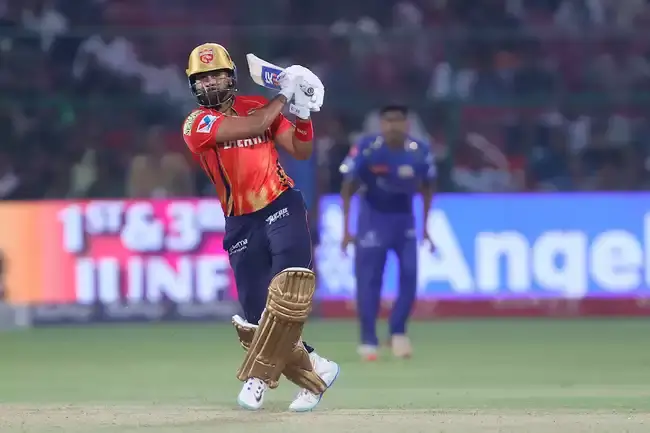
Mumbai Indians vs Punjab Kings fixtures rarely look one-sided on paper. Both teams possess explosive batters, match-winning bowlers, and depth across departments. Yet results often lean the same way when games tighten. This is not coincidence. It reflects how Mumbai Indians and Punjab Kings approach pressure moments differently. Mumbai rely on systems refined over years. Punjab rely on momentum and individual brilliance. When chaos enters the match, structure survives longer than flair. This supporting article breaks down seven hidden themes that explain Mumbai’s consistent edge. These are not headline performances. They are repeatable habits. Understanding them explains why close games often finish one way.
Mumbai Indians’ Leadership Stability vs Punjab’s Constant Reset
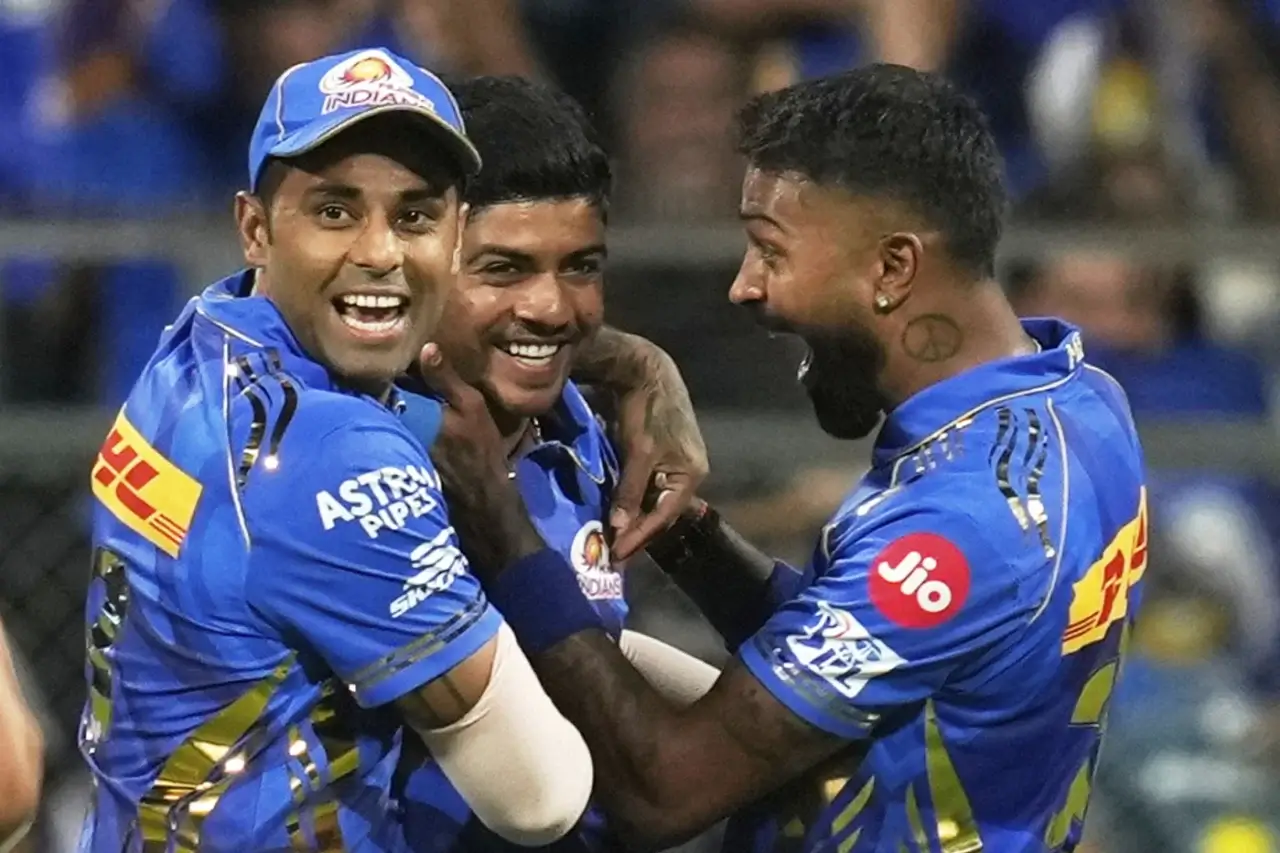
Leadership continuity has quietly shaped this rivalry. Mumbai Indians operate with long-term trust in leadership voices. Captains change, but decision-making philosophy stays intact. Senior players understand expectations without constant reminders. Punjab Kings, by contrast, often reset leadership direction every few seasons. New captains bring new tones. That instability leaks into close moments.
When pressure builds, Mumbai default to familiar frameworks. Punjab must think. Thinking costs time. This difference shows in bowling changes, field placements, and review usage. Mumbai captains act quickly because patterns are ingrained. Punjab leaders are still building instinct. Over multiple seasons, that gap compounds. Leadership stability does not guarantee wins, but it reduces errors. Against evenly matched opponents, fewer errors usually decide outcomes.
Role Clarity: Why Mumbai Players Look Certain Under Pressure
Mumbai players rarely appear confused about their job. Batters know whether they must anchor or attack. Bowlers know when they will return. This clarity removes hesitation. Punjab often shuffle roles based on form or matchup. Flexibility sounds positive, but it can dilute certainty. When a batter is unsure whether to build or explode, execution suffers. Mumbai avoid that trap. Even new players slot into predefined lanes. That structure shows in shot selection during tense overs. Punjab batters sometimes overreach because responsibility feels shared. Mumbai batters commit because responsibility is assigned. In high-pressure IPL matches, clarity often beats creativity. This is one of Mumbai’s quiet strengths.
Powerplay Discipline Sets Mumbai Apart Early
Powerplays shape tempo long before scoreboards explode. Mumbai rarely chase wickets recklessly inside six overs. They focus on control first. Dot balls matter more than early breakthroughs. Punjab often hunt wickets aggressively, exposing boundary zones. When wickets fall, plans work. When they don’t, pressure flips. Mumbai trust containment. This patience forces batters into risk later. With the bat, Mumbai aim for rhythm rather than spikes. Punjab sometimes aim too high too early. Those extra risks increase volatility. Over time, Mumbai’s calmer powerplay approach creates predictable paths. Punjab’s approach creates swings. In close matches, predictability usually wins.
Middle-Overs Control: The Quiet Phase Punjab Often Lose
The middle overs rarely trend on highlight reels, but they decide matches. Mumbai treat overs 7 to 15 as control zones. They slow scoring without chasing magic balls. Spinners bowl into plans. Fields protect strengths. Punjab often drift here. Boundaries come in clusters. Singles become doubles. Pressure builds invisibly. By the time death overs arrive, Punjab are already chasing correction. Mumbai enter the final phase with control intact. This allows freedom later. Middle-over discipline is boring but decisive. Mumbai embrace that boredom. Punjab occasionally resist it. The scorecards may hide this gap, but match flow exposes it.
Death Overs Planning: Mumbai’s Biggest Competitive Advantage
Mumbai plan death overs before the match begins. Bowlers know exact windows. Yorkers, slower balls, and wide lines are practiced with intent. Even if execution fails, intent remains clear. Punjab often adjust death plans reactively. One boundary triggers a change. That uncertainty spreads. Batters sense hesitation. Mumbai’s confidence at the death stems from rehearsal, not bravado. With the bat, Mumbai also pace finishes better. They identify target overs to attack rather than chasing every ball. This selective aggression lowers risk. Over multiple MI vs PBKS games, this phase consistently tilts outcomes.
Batting Temperament in Chases Above 180
Big chases reveal temperament more than technique. Mumbai batters rarely panic when required rates climb. They break targets into segments. Punjab batters often accelerate together, increasing collapse risk. This is not about skill gaps. It is about emotional pacing. Mumbai accept temporary stagnation. Punjab try to fix everything at once. When two batters attack simultaneously, dismissal probability doubles. Mumbai stagger aggression. One attacks. One stabilizes. That balance stretches bowling plans. Punjab’s collapses often start with good intent but poor timing. Temperament, not power, defines these chases.
Culture Over Form: Why Mumbai Trust Players Longer
Mumbai Indians back players through lean runs. This builds trust and reduces fear. Punjab often rotate based on recent returns. That keeps pressure high. Mumbai players know one failure will not cost selection. Punjab players often feel every innings is an audition. That mental difference shows under stress. Fear narrows options. Trust expands them. Mumbai’s culture prioritizes long-term payoff over short-term noise. In IPL cricket, where variance is high, that patience becomes a competitive edge. Over seasons, culture compounds. That is why this rivalry keeps following the same script.