In most T20 matches, the powerplay feels decisive. It produces boundaries, momentum, and early narratives. In the Mumbai Indians versus Punjab Kings matchup, this phase creates illusion, not conclusion. Punjab Kings often start faster. They score more freely.Yet Mumbai Indians are usually ahead later. This happens because early dominance does not equal control. Mumbai use the powerplay to protect structure.
They preserve wickets. They avoid forcing intent. Punjab often treat early success as proof of superiority. That belief encourages risk. It pushes aggression into phases where stability is needed. Mumbai wait. They observe conditions. They note patterns.
Once the middle overs arrive, the game begins to shift. The team that controlled risk early gains leverage. This is why powerplay dominance without follow-through becomes fragile. Momentum feels real. Control arrives later. Mumbai understand that difference. Punjab often do not.
Table of Contents
ToggleHow Mumbai Indians Treat the Powerplay as a Diagnostic Phase?
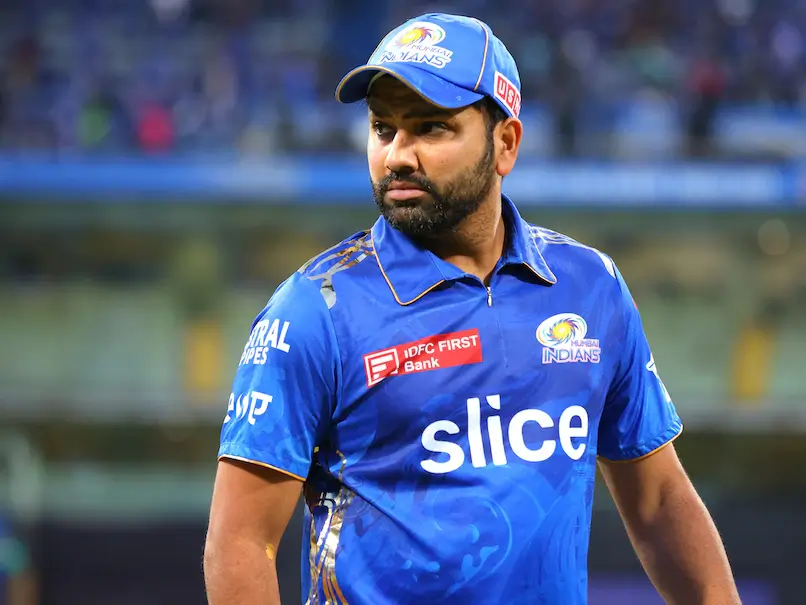
MI’s do not treat the powerplay as a scoring contest. They treat it as a diagnostic phase. The focus is information. Pitch pace is assessed. Bounce is observed. Boundary dimensions are tested. Bowling errors are catalogued. Intent is delayed until answers are clear. Mumbai accept small deficits if wickets are protected. They value flexibility over momentum. This restraint often appears passive.
It is not. It is deliberate patience. Punjab frequently misread this approach. They interpret caution as vulnerability. That encourages further aggression. Mumbai are comfortable waiting. They know T20 games are rarely lost early. They are often damaged there.
By avoiding early commitment, Mumbai preserve options against Punjab Kings. Batters remain adaptable. Bowlers are not overused. Captains keep tactical freedom. When acceleration comes later, it is cleaner. The innings remains expandable. That is why Mumbai survive early pressure without panic. They trade speed for clarity.
Why Punjab Kings Mistake Early Supremacy for Match Control?
Punjab Kings often confuse early supremacy with control. Winning the powerplay brings confidence. It also creates urgency. The instinct is to extend dominance immediately. Overs seven to ten become aggressive. Consolidation is skipped. Wickets fall against the flow. New batters face pressure that should not exist. Mumbai anticipate this reaction. Their bowlers tighten lines. Singles disappear.
Dot balls increase. Pressure builds internally. Punjab feel ahead but begin playing like they are chasing. The scoreboard still looks healthy. The innings shape weakens. Powerplay success becomes a psychological trap. Punjab feel obligated to prove superiority again. Mumbai feel no obligation at all. Control is not early scoring speed. Control is deciding when to accelerate. Mumbai almost always win that decision. Punjab often lose it before realising the cost.
Why the Middle Overs Decide This Rivalry?
Overs seven to fifteen decide Mumbai Indians versus Punjab Kings. Mumbai plan for this phase. Punjab often resist slowing down. Mumbai use the middle overs to stabilise. Risk is managed. Partnerships are protected. Run rate rises quietly. Bowling changes are forced through accumulation. Punjab often treat this phase as unfinished business. They try to dominate again. This creates imbalance.
Wickets fall unnecessarily. Batters lose freedom. MI’s increase control without visible aggression. Their run rate climbs subtly. Their wicket count stays intact. By the fifteenth over, Mumbai often trail in boundary count. They lead in control. They own the final phase. This is why early dominance is unnecessary. Mumbai manufacture inevitability later. Punjab exhaust advantage earlier.
How Mumbai’s Bowlers Absorb Early Pressure Without Losing Shape?
Mumbai’s bowling attack is built for elasticity. It absorbs early pressure. It does not collapse. Against Punjab, MI accept controlled damage. They protect match-ups. They avoid overcommitting resources early. Fields allow predictable boundaries. The aim is pattern creation. Once batters settle, disruption follows. Lengths change. Pace varies. Fields shift. Punjab’s powerplay success lacks surprise. It is based on permission. That permission is withdrawn after six overs. Scoring becomes harder. Options shrink. Pressure rises. Mumbai delay control. They do not abandon it. Delayed control lasts longer. That is why Punjab’s strong starts often fade.
Why Mumbai’s Batting Depth Reduces Powerplay Anxiety?
MI do not fear slow starts. They trust their depth. Responsibility is shared. Top-order batters play without panic. No one feels forced to define the innings early. Punjab’s top order carries heavier burden. Early runs feel essential. Early wickets feel terminal. That creates volatility. Mumbai bat knowing resources exist behind them. Decision-making improves. Risk becomes measured. When early wickets fall, Mumbai rebuild calmly. When Punjab lose early wickets, pressure spreads. Belief collapses later. Powerplays matter less when confidence spans the entire batting order. Mumbai benefit from that security.
Captaincy Behaviour Shapes Powerplay Outcomes
Mumbai’s biggest powerplay advantage is leadership. When early overs go badly, calm remains. Fields stay patient. Plans stay intact. Body language stays neutral. Punjab’s leadership often mirrors momentum. Big overs trigger aggressive shifts. Quiet overs invite corrections. This increases volatility. Calm leadership absorbs uncertainty. Reactive leadership multiplies it. Over time, these small decisions compound. Mumbai manage ambiguity. Punjab chase reassurance. T20 cricket punishes emotional swings. Mumbai benefit from stability that rarely shows on scorecards.
Why This Pattern Keeps Repeating?
This outcome pattern is not coincidence. It is systemic. Captains change. Players rotate. Venues vary. The result pattern stays. That confirms philosophy. Mumbai do not chase early validation. They trust later phases. Punjab often chase reassurance. Under sustained pressure, only one approach survives. Structure outlasts momentum. Mumbai win without spectacle. Punjab lose despite strong starts. Repetition proves design.
Punjab Kings must redefine success. Winning the powerplay cannot remain the benchmark. Early advantage should invite stability, not acceleration. Middle overs must consolidate, not chase dominance. Emotional restraint must replace urgency. Until that shift occurs, Mumbai’s approach will continue to suffocate them. Not loudly. Quietly. Repeatedly. Mumbai do not win because they start faster. They win because they finish calmer.