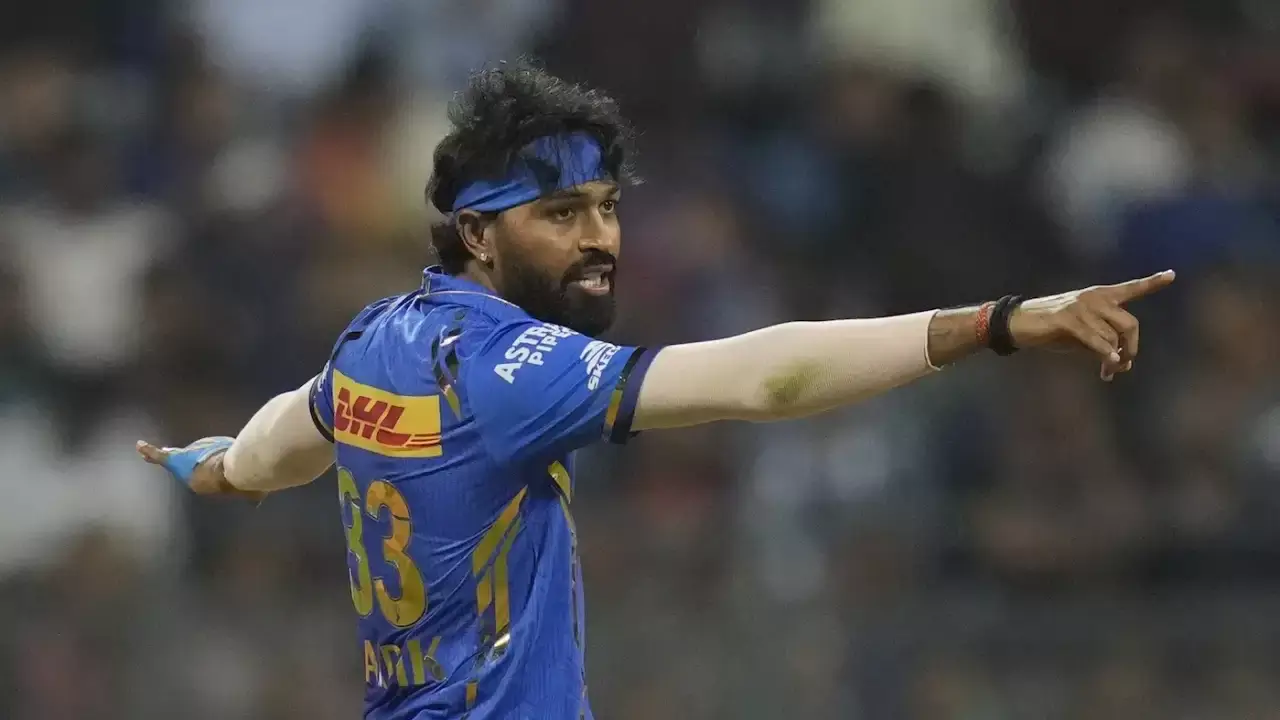
Matches between Mumbai Indians and Punjab Kings often stay alive deep into the final overs. Scores remain chaseable. Targets look manageable. Momentum swings back and forth. Yet when the game tightens, results tend to lean in one familiar direction.
Mumbai Indians do not merely play better cricket in these moments. They manage pressure better. That distinction separates serial winners from perennial rebuilders. MI understand that T20 matches are not won evenly across forty overs. They are won in bursts, pauses, and decisions made when nerves peak.
At the centre of this pattern stands Hardik Pandya. His presence reshapes how Mumbai approach clutch phases. It also reshapes how PBKS respond emotionally and tactically. Bowling plans shift. Fields retreat. Margins shrink.
This article explains why MI repeatedly close games against PBKS. It focuses on Hardik Pandya’s tactical value, psychological weight, and phase-specific influence. This is not about isolated innings. It is about sustained control when matches are decided by inches.
Table of Contents
ToggleMumbai Indians vs PBKS: A Pattern of Late-Game Control
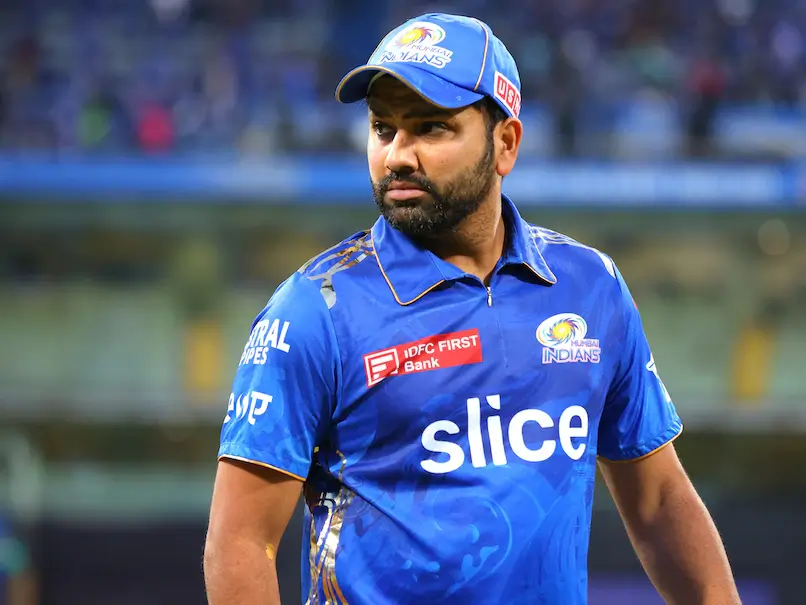
MI–PBKS contests often follow a familiar arc. Punjab starts assertively. Their top order builds momentum. Middle overs remain competitive. Then, somewhere around the final ten overs, control quietly changes hands.
This is not a coincidence. Mumbai structures its XI specifically to dominate the closing stages. They value experience in pressure roles. They define responsibilities clearly. Each player understands which overs belong to them and why.
Punjab, by contrast, often relies on momentum rather than method. When early plans succeed, they look formidable. When pressure disrupts rhythm, decision-making becomes reactive. Bowling changes feel rushed. Batting intent fluctuates.
Hardik Pandya anchors Mumbai’s late-game blueprint. His dual role enables MI to delay tactical commitments without compromising its balance. They can hold overs back. They can shuffle the batting order calmly. That flexibility becomes decisive in tight finishes.
Clutch cricket is rarely about brilliance. It is about avoiding mistakes. Over time, Mumbai simply make fewer of them.
Hardik Pandya and the Psychological Advantage Over PBKS
Hardik Pandya’s influence begins long before he takes guard or picks up the ball. It starts at the planning table.
PBKS bowlers enter matches knowing one misjudged length can erase control instantly. Captains hesitate. Overs are saved. Fields creep deeper earlier than planned. That internal pressure alters execution.
This hesitation matters. Bowlers stop trusting primary plans. Yorkers become half-volley attempts. Short balls lose purpose. Margins narrow rapidly.
Hardik thrives in that environment. He does not rush chases. He waits for release points. He senses anxiety. When bowlers blink, he punishes decisively.
Over multiple seasons, this effect compounds. PBKS players carry memories of previous losses into new games. Mumbai carry belief. That imbalance shows in body language when games tighten.
Psychological pressure in T20 cricket is rarely shared equally. With Hardik present, PBKS feel it sooner and carry it longer.
Finishing Ability: Where MI–PBKS Matches Are Actually Decided
Hardik Pandya’s finishing is not built on reckless power. It is built on calculation. He targets specific bowlers. He prefers straight boundaries. He keeps strike rotation alive even in the death overs. This denies bowlers reset moments.
Against PBKS, this skill becomes critical. Punjab often reach the final overs with wickets intact but limited clarity. Mumbai reach those overs with plans already mapped.
Hardik’s ability to score twos early in death phases prevents panic. Bowlers are forced to search for perfect balls. When lengths miss, acceleration follows naturally.
These finishes hurt more than collapses. They feel controllable. They feel close. That psychological damage lingers.
Repeated narrow losses reinforce doubt within PBKS. For MI, they reinforce belief.
Elite finishing is not about sixes alone. It is about denying opponents breathing space. Hardik does that relentlessly.
Bowling Impact: The Underrated Half of Pandya’s Influence
Hardik Pandya’s bowling impact against PBKS is often understated. It should not be.
Mumbai deploy him surgically. One over to break momentum. One over against a new batter. One over when risk-taking feels forced. He is not used for volume. He is used for disruption.
His heavy length cramping batters creates mistimed strokes. He understands when containment is enough and when aggression is required. That judgment matters late in innings.
PBKS batters frequently target him to shift pressure. That gamble often backfires. Wickets fall when acceleration is attempted prematurely.
This bowling flexibility protects MI’s specialists. It shortens opposition innings mentally. Batters feel overs disappearing without reward.
Hardik’s bowling value lies in timing, not statistics. Against PBKS, those timely overs repeatedly tilt matches.
Role Clarity Inside the Mumbai Indians Lineup
Mumbai Indians succeed because uncertainty rarely exists inside their XI.
Hardik Pandya knows his windows. He knows when to absorb pressure and when to release it. He is not burdened with covering multiple roles simultaneously. That freedom sharpens decision-making.
Around him, roles remain fixed. Powerplay hitters attack. Middle-order players stabilise. Death specialists close. Everyone understands purpose.
PBKS often struggle here. Roles blur under pressure. Players shift responsibilities mid-match. Plans evolve reactively rather than deliberately.
Hardik thrives in MI’s stable environment. That structure amplifies his strengths and limits his exposure to chaos.
In T20 cricket, clarity beats talent when pressure peaks. Mumbai build around that truth.
Leadership Influence Beyond the Captaincy
Hardik Pandya’s leadership does not rely on armbands. It operates in moments.
He sets fielding energy. He speaks to bowlers between deliveries. He calms younger batters during tight chases. These micro-actions slow the game when opponents want speed.
Against PBKS, this leadership becomes visible late. When Punjab rush decisions, Mumbai pause. Hardik often controls that tempo shift.
Leadership in T20 cricket is not about speeches. It is about presence under stress. Body language. Eye contact. Calm repetition of plans.
Hardik’s composure unsettles opponents. His confidence spreads through the MI unit.
That influence rarely appears on scorecards. It appears in win columns.
Why PBKS Continue to Struggle to Counter Hardik?
PBKS have tried multiple approaches against Hardik Pandya. Yorkers. Short balls. Wide lines. None have delivered sustained success.
The issue is not execution alone. It is predictability. Once one plan fails, doubt creeps in. Bowlers begin second-guessing themselves mid-over.
Mumbai exploit that doubt mercilessly. They force PBKS to chase moments emotionally rather than tactically. That emotional chasing leads to mistakes.
Until PBKS commit to a clear, repeatable counter-strategy and trust it across seasons, this imbalance will persist.
Hardik Pandya is not invincible. But indecision makes him appear that way far too often.
Conclusion: Clutch Cricket Has a Familiar Centre
Mumbai Indians’ repeated success against PBKS is not accidental. It is designed.
Hardik Pandya embodies that design. He finishes chases. He disrupts batting momentum. He controls tempo. He absorbs pressure others deflect.
In tight matches, those skills decide outcomes. Over seasons, they create dominance.
PBKS compete bravely. Mumbai close clinically.
Until that gap in pressure management is addressed, this rivalry will continue to tilt one way. And Hardik Pandya will remain firmly at its centre.