

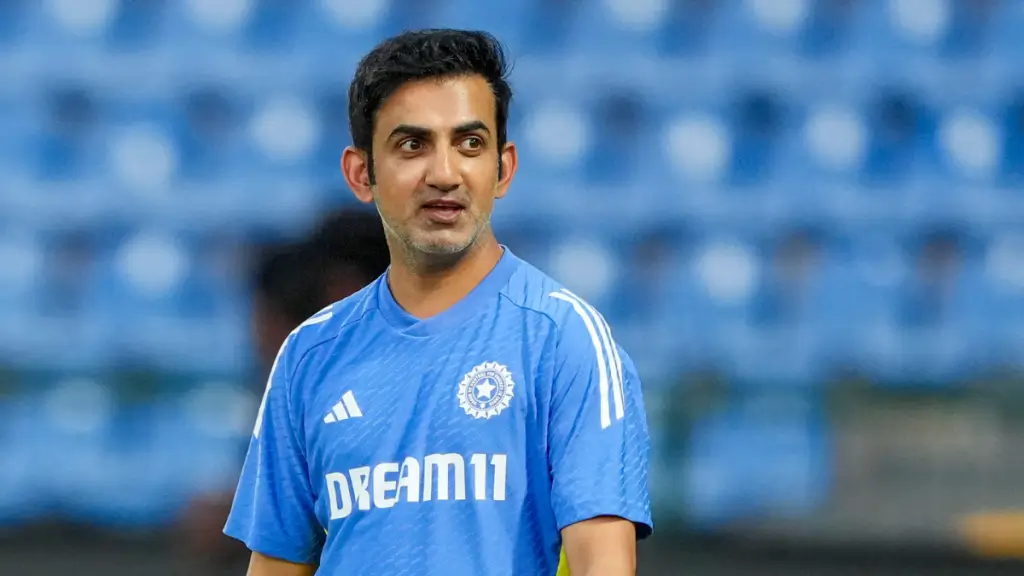
Indian cricket is accustomed to dominance. When results dip, the noise rises quickly. Recent Test defeats have placed the spotlight firmly on Gautam Gambhir, but the reality is more layered than win-loss columns suggest. This is not a crisis. It is a transition.
India’s red-ball side is moving away from an era defined by certainty. That shift brings discomfort. Test cricket, more than any other format, exposes gaps in experience, leadership, and continuity. Expecting smooth outcomes during such a phase misunderstands how long-term teams are built. The real task for Gambhir is not immediate correction. It is steady construction.
India’s white-ball excellence creates an unfair comparison. In ODIs and T20Is, systems are settled and roles are defined. Senior players absorb pressure and control momentum. That stability does not currently exist in Tests.
With Virat Kohli and Rohit Sharma absent from the Test setup, insulation disappears. Younger players face responsibility earlier than ideal. Mistakes feel louder. Failures look systemic even when they are developmental. White-ball dominance should buy patience, not raise expectations. These formats operate on different timelines.
Table of Contents
ToggleTest Cricket Is Always the Hardest Format to Rebuild

Rebuilding a Test team is unforgiving. There is no hiding place for over five days. Technique, temperament, and stamina are tested repeatedly. New players require time to understand conditions, pacing, and pressure.
Replacing experienced Test cricketers is never seamless. Even highly talented batters and bowlers need exposure to learn restraint. Confidence in Test cricket grows slowly and breaks quickly.
India are currently paying that learning cost. That is normal. What matters is whether lessons are absorbed or rushed away.
Gambhir’s presence amplifies scrutiny. He represents a shift in tone and philosophy. That makes him an easy focal point when results wobble. But the pressure he faces is structural, not personal.
No coach can rebuild a Test side in a few series. Selection errors, role confusion, and tactical experimentation are inevitable. Judging a long-term appointment on short-term turbulence undermines the purpose of transition. Stability around Gambhir is essential. Constant evaluation only delays clarity.
Why a Single Coach Across Formats Brings Consistency
Splitting coaching roles often sounds appealing. In practice, it fragments thinking. Players move between formats constantly. Different voices create different expectations. Confusion follows.
A single coach ensures continuity in language and philosophy. Players understand what is valued regardless of format. That consistency becomes crucial during Test rebuilds, when confidence is fragile. Most modern teams are moving away from split systems. India’s choice aligns with that evolution.
The Importance of Institutional Backing
The role of Board of Control for Cricket in India is critical during this phase. Coaches are not appointed for short-term comfort. They are chosen for sustained competitiveness.
If backing weakens at the first sign of struggle, instability multiplies. Players sense uncertainty quickly. Selection becomes reactive. Development stalls.
Clear, public trust from administrators gives Gambhir the space to think long term. That support will matter more than any press conference.
Domestic Cricket Will Shape the Next Test Core
Transitions open opportunities. Test places are no longer protected by reputation. Domestic performances now carry genuine weight.
However, opportunity must come with patience. Players cannot be judged on one series. Exposure needs continuity. Clear communication around roles and expectations becomes essential.
Handled correctly, this phase can deepen India’s Test bench. Handled poorly, it risks burning promising careers too early.
Leadership Gaps Have Magnified Growing Pains
Test leadership stabilises uncertainty. When that leadership disappears, cracks widen. India felt this sharply during recent defeats.
The absence of Shubman Gill disrupted both batting structure and on-field calm. With Rishabh Pant stepping into leadership under pressure, responsibilities shifted suddenly.
Such changes are not tactical issues alone. They affect decision-making, field placements, and dressing-room confidence. Stability here will take time.
Away Tours Will Test Belief More Than Skill
India’s toughest phase lies ahead. Away tours expose weaknesses brutally. Conditions challenge technique. Crowd pressure amplifies doubt.
Young Test sides often struggle abroad before finding footing. That journey is unavoidable. Gambhir’s role will be to frame these tours as learning environments, not verdicts.
Survival, competitiveness, and adaptation matter more than scorelines right now. Growth often looks messy before it looks successful.
Transition periods demand restraint. Panic accelerates failure. Calm enables correction.
Gambhir must continue delivering clear messaging. Players need assurance that mistakes are part of the process. Roles must remain defined even when results fluctuate.
Every great Test side endured instability before dominance. India are no different. This phase will pass if patience holds.
Why India Must Redefine Success During This Transition?
One of the biggest dangers in transition phases is measuring success incorrectly. India cannot judge this Test team solely on short-term series wins. Doing so will only create fear-driven selection and constant chopping.
Success right now should be defined by competitiveness. These markers matter more than final results during rebuilds. If India can consistently remain in the contest until the final day, progress is happening. Victories will follow once systems settle. Expecting dominance immediately ignores how Test foundations are actually formed.
Refraining from success will also protect players mentally. Confidence grows when effort is recognised. Fear shrinks when failure isn’t terminal. Gambhir must lead this shift internally.
The Risk of Over-Rotation in a Young Test Side
Rotation is useful, but excess rotation kills rhythm. One of the hidden risks India face now is changing combinations too often in search of quick fixes. Young players need repetition to learn Test tempo.
Batting positions must stabilise. Bowling roles must become predictable. Partnerships form only when players know they will be backed through failure.
If selection becomes reactive, insecurity spreads. Players start playing for survival rather than growth. That slows learning significantly.
India’s challenge is to identify a core and persist with it. Stability, even through losses, accelerates development far more than constant experimentation.
Why Test Technique Cannot Be Fast-Tracked?
White-ball success often hides technical flaws. Test cricket exposes them mercilessly. That exposure cannot be rushed away with confidence talks or intent-based messaging.
Young batters must learn to leave balls, manage spells, and survive hostile conditions. Bowlers must understand patience over aggression. These lessons only arrive through time spent in the middle.
India must accept that some players will struggle initially. That struggle is not failure. It is education.
Gambhir’s role will be to protect players during this learning curve. Removing them too early risks losing long-term assets permanently.
Even during transition, senior players remain vital. Their role may change, but their presence anchors uncertainty. They carry tactical memory into difficult moments.
India will need a few experienced heads to absorb pressure on away tours. Expecting a fully young side to manage every crisis alone is unrealistic.
These seniors must also guide dressing-room culture. How teams react after bad sessions often defines outcomes. Calmness is contagious. A balanced blend, not a clean break, will serve India best in this phase.
Why This Phase Will Ultimately Strengthen Indian Test Cricket
Transitions feel painful because they strip comfort away. But they also force innovation. New leaders emerge. Fresh methods develop. Depth expands organically.
India’s Test system has historically benefited from these phases. Past rebuilds produced resilient, adaptable teams. This one can do the same.
If Gambhir is given time, clarity, and backing, the current uncertainty will solidify into structure. Mistakes today will become lessons tomorrow. The key is endurance. Teams that survive transition with patience often dominate once stability returns.

