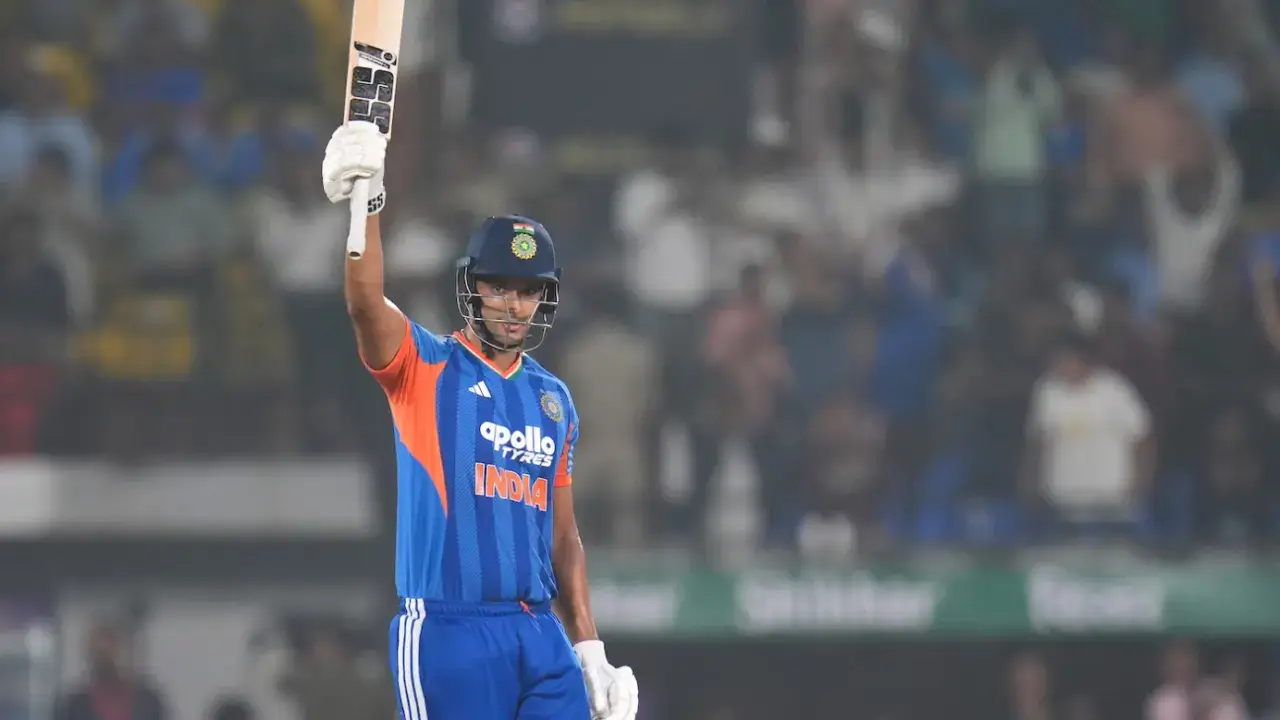
India enter the 2026 T20 World Cup as defending champions, but this campaign feels different. The noise is louder. The expectations are heavier. Yet, the calm confidence around this squad stands out. That calm comes from balance, not hype. It comes from experience layered over explosive talent. When MS Dhoni speaks about teams, he rarely exaggerates. His words usually carry weight because they come from lived situations. This time, his assessment was clear and careful. India, according to him, have everything required in a good T20 side. That statement matters more than bold predictions. It reflects structure, not emotion.
Dhoni’s view is rooted in pattern recognition. He has seen strong teams collapse. He has seen average teams rise. What separates contenders from champions is not skill alone. It is how roles hold under pressure. India’s recent T20 journey shows maturity. Players understand phases. They understand sacrifice. They understand when not to chase moments. That clarity makes this team dangerous. Not because they dominate every game. But because they survive bad days better than others.
This article breaks down why Dhoni sees India as such a threat. It explains what makes this squad different from previous versions. It also examines the one factor that still unsettles him. This is not praise-driven analysis. This is a structure-driven reality.
India’s T20 Evolution Since 2023 Shows Clear Direction
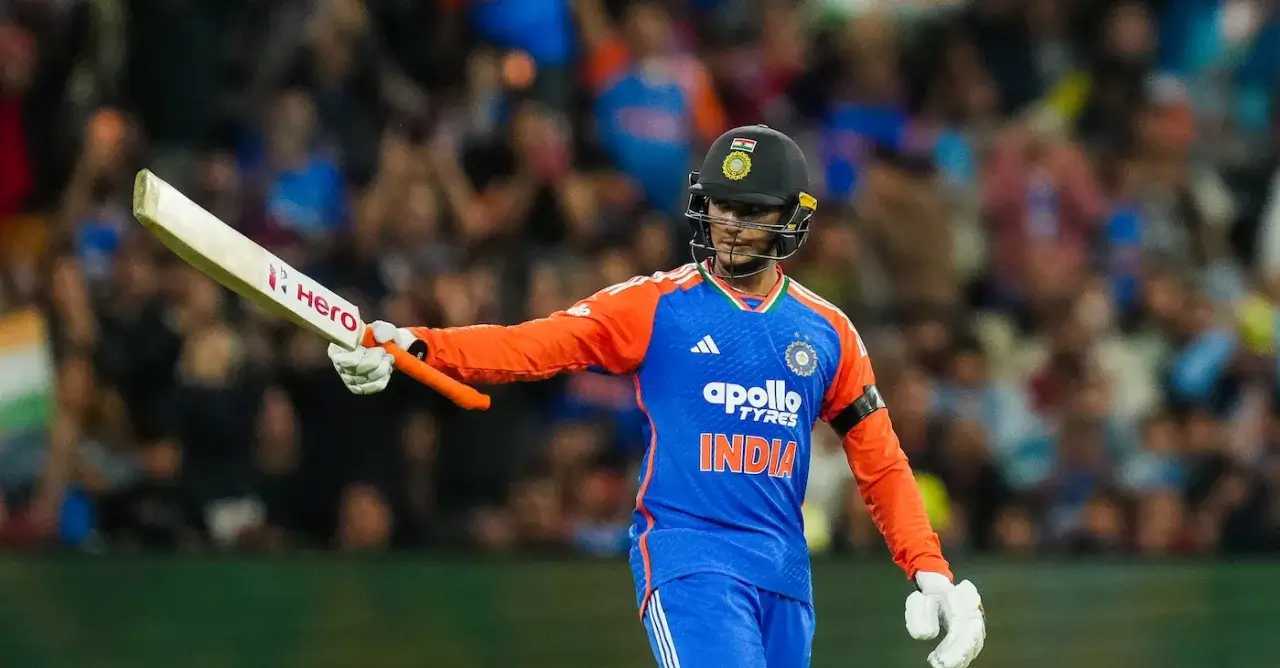
India’s T20 record since late 2023 tells a quiet story of evolution due to the IPL league. Wins have been frequent, but more importantly, losses have been instructive. This team no longer reacts emotionally to setbacks. Instead, it absorbs lessons and adjusts roles. That shift did not happen overnight. It came from consistent selection logic and long-term planning. Players were not rotated randomly. They were groomed for specific match situations.
The batting unit reflects this evolution clearly. Earlier Indian sides relied on individual brilliance. Now, they rely on collective intent. The top order attacks early without reckless risk. The middle order stabilises without stagnation. The lower order finishes with clarity rather than panic. These are signs of a team that understands tempo deeply. Dhoni values this understanding more than strike rates. Because tempo wins tournaments, not highlights.
Bowling has also transformed. India no longer searches for miracle spells. They focus on control zones. Bowlers know when containment matters more than wickets. That awareness reduces pressure during bad overs. It also protects captains from reactive decisions. This maturity explains India’s strong win-loss ratio across conditions. It is not dominance. It is repeatability.
This evolution makes India reliable across venues. Neutral conditions no longer intimidate them. They adjust lengths, matchups, and field placements faster. Dhoni’s praise reflects this adaptability. A dangerous team is not the one that wins big. It is the one that adjusts fastest when plans fail.
Batting Depth Gives India Multiple Winning Pathways
India’s batting strength is not just about six-hitters. It is about flexibility across innings scenarios. This lineup does not depend on one player firing. That makes opposition planning difficult. When one batter fails, the next understands his responsibility instantly. That handover of responsibility is seamless. It reflects internal clarity.
Power hitters at the top create early pressure. But they are supported by players who value strike rotation. That balance prevents collapses after powerplay aggression. India can score 200 when conditions allow. They can also grind to 165 when pitches slow down. That dual capability is rare. Dhoni respects teams that can win ugly games.
Another critical factor is role continuity. Players are not forced to reinvent themselves every series. They know their entry points. They know acceptable risk levels. That reduces mental clutter. Under pressure, simplicity matters. This batting group thrives on defined expectations.
Importantly, India’s batting does not chase opposition scores blindly. They assess phases. They absorb quiet overs without panic. This patience separates champions from entertainers. It also reduces dependence on late miracles. Dhoni’s teams always valued this discipline. His appreciation for this lineup reflects that shared philosophy.
Bowling Firepower Anchored by Control and Skill
India’s bowling unit blends pace, mystery, and intelligence. It is not built around intimidation alone. It is built around matchup awareness. Jasprit Bumrah anchors this attack with precision. His value is not just wickets. It is his ability to kill momentum. That skill is priceless in T20 cricket.
Alongside him, spinners provide unpredictability. Varun Chakravarthy brings variation without sacrificing control. His role is not to attack recklessly. It is to force poor decisions. That approach aligns with Dhoni’s bowling philosophy. Pressure creates mistakes faster than aggression.
India’s bowling group understands sequencing. Overs are not treated equally. Matchups are planned three overs ahead. This planning reduces reactive field changes. It also keeps captains ahead of batters mentally. When bowlers trust plans, execution improves.
Another strength is adaptability under dew. While dew worries Dhoni, India’s bowlers have trained for compromised grip conditions. They use pace variation and wide yorkers intelligently. While dew still tilts games, India minimize its damage better than most teams. That preparedness matters deeply in knockout matches.
Experience Under Pressure Separates This Squad
Dhoni repeatedly highlights experience because pressure exposes weak systems. India’s current squad has faced finals, collapses, comebacks, and criticism. That exposure builds emotional resilience. Players no longer freeze under high-stakes moments. They respond with process-driven thinking.
Experience also improves communication. On-field conversations are shorter and clearer. Signals are understood instantly. That efficiency saves seconds during chaotic phases. In T20 cricket, seconds matter. Experienced teams waste less time debating decisions.
India’s players also understand public expectation. They know how to manage noise. That mental insulation prevents overreaction to social pressure. Dhoni has seen talented teams crumble under expectation weight. His confidence in this group reflects their emotional maturity.
Importantly, experience does not mean rigidity. It means knowing when to adapt. This squad blends youth fearlessness with senior calm. That mix prevents emotional extremes. It keeps performances within controllable limits. That balance is championship-grade.
Role Clarity Reduces Panic in Tight Matches
Clear roles are India’s biggest competitive advantage. Every player knows what success looks like for them. That clarity reduces panic when plans change. If a batter fails, the next does not chase redemption shots. He sticks to his assignment.
Dhoni values this clarity deeply. His teams always thrived on acceptance. Acceptance of responsibility. Acceptance of failure. This squad reflects that culture. Failures are not hidden. They are absorbed without blame.
Role clarity also improves selection stability. Players are backed through form dips. That backing builds trust. Trust improves execution under pressure. Players play for the role, not for survival.
In close games, clarity prevents chaos. Decisions are faster. Signals are simpler. Field changes are purposeful. This calmness frustrates opponents. It makes India feel inevitable in tight chases. That inevitability defines dangerous teams.
Dew Remains the Only Real External Threat
Despite all his strengths, Dhoni openly admitted his discomfort with dew. Dew disrupts planning. It reduces bowler control. It amplifies the importance of toss. Even the best teams struggle when dew dominates conditions.
India are aware of this vulnerability. They plan bowling sequences accordingly. Yet, dew remains unpredictable. It introduces randomness into otherwise structured games. Dhoni’s concern reflects realism, not doubt.
What matters is how teams respond. India prepares mentally for dew. They accept reduced control. They adjust expectations. That acceptance prevents frustration. While dew may tilt matches, India avoid emotional collapse because of it.
This honesty strengthens Dhoni’s assessment. He is not blind to risks. He acknowledges them. That balance makes his praise credible.
Tournament Format Rewards Consistency Over Brilliance
T20 tournaments are brutal. One bad day can erase months of preparation. Dhoni understands this reality deeply. His belief in India stems from consistency, not invincibility.
India are built to win more often than not. They may lose odd games. But over ten matches, their systems prevail. That probability advantage matters in long tournaments. Knockouts remain unpredictable. Injuries, tosses, and individual brilliance can swing outcomes. Dhoni’s caution reflects this randomness. Yet, India’s structure minimizes risk exposure.
Consistency across departments improves survival odds. India do not rely on miracles. They rely on systems. That reliance increases championship probability over time.
Why This Indian Team Feels Different from Past Champions?
Past Indian champions relied heavily on momentum. This team relies on control. That difference is subtle but critical. Control travels better than momentum.
This squad is less emotional. Celebrations are measured. Reactions are restrained. That emotional economy preserves energy across tournaments.
Dhoni sees familiarity in this approach. It mirrors successful teams he has led. Calm preparation. Clear roles. Respect for conditions. Acceptance of uncertainty. That familiarity explains his confidence. Not hype. Not sentiment. Just recognition of winning patterns.
Dhoni’s Final Caution Makes His Praise Stronger
Dhoni ended his assessment with caution. He avoided jinxing outcomes. That restraint matters. It reflects respect for the format. It acknowledges randomness.
His praise is conditional, not absolute. If players stay fit and if roles are executed. If luck remains neutral. Under those conditions, India are dangerous. That realism enhances credibility. It reminds fans that trophies are earned, not predicted. India have the tools. Execution remains the final test. This is why Dhoni’s words resonate.