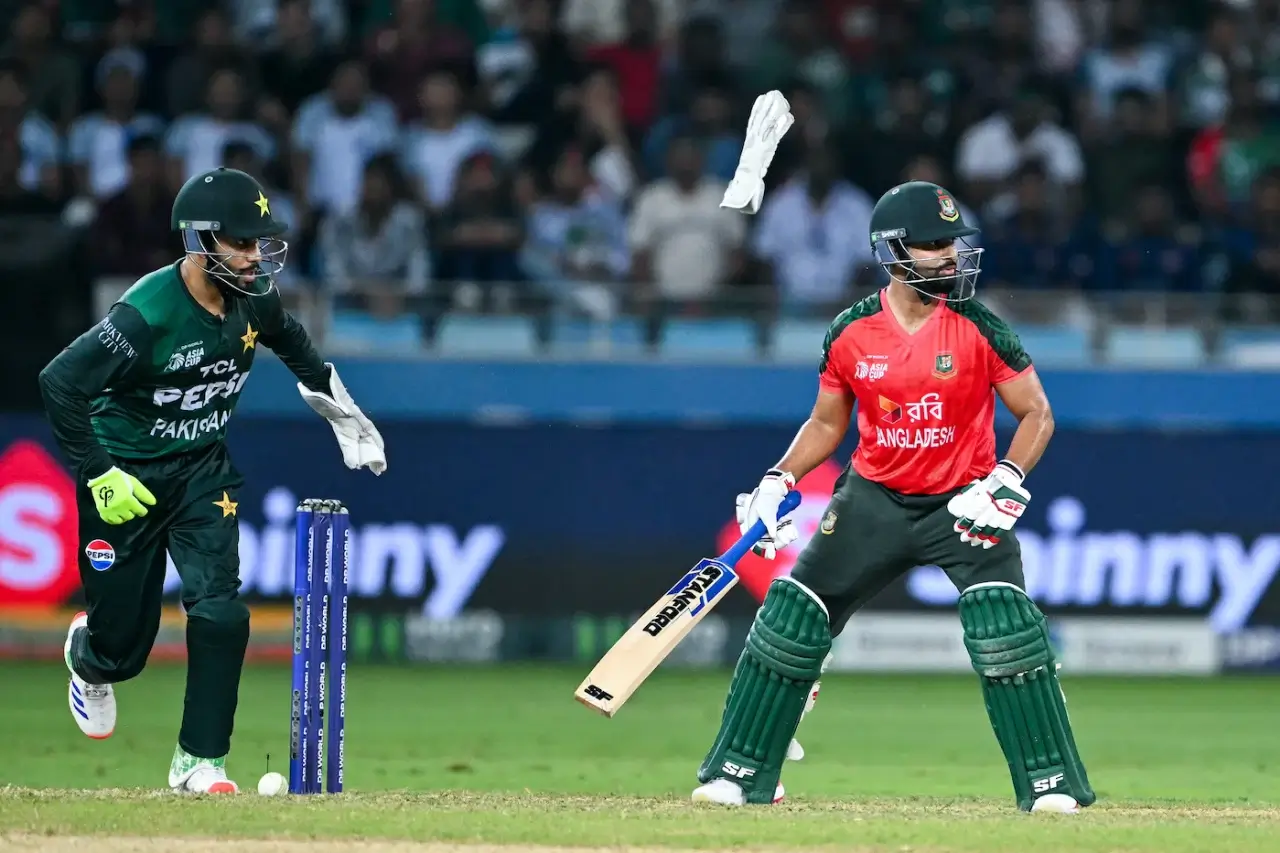
Bangladesh’s problems in ODI cricket are no longer about one bad series or a poor tour. The decline has been gradual, visible, and repetitive across different conditions and opponents. Batting collapses arrive too early, bowling plans fade during middle overs, and confidence drops quickly under pressure. These patterns point towards a deeper structural issue rather than individual failure.
At their peak, Bangladesh were known for discipline, patience, and strong home performances. Today, that identity feels blurred. Players appear uncertain about their roles, leadership changes frequently, and long-term planning seems to be absent. To revive their ODI side, Bangladesh must stop reacting to defeats and instead rebuild with clarity, patience, and purpose after the exit of Shakib ul Hasan.
Fixing the Batting Identity Must Be the First Step
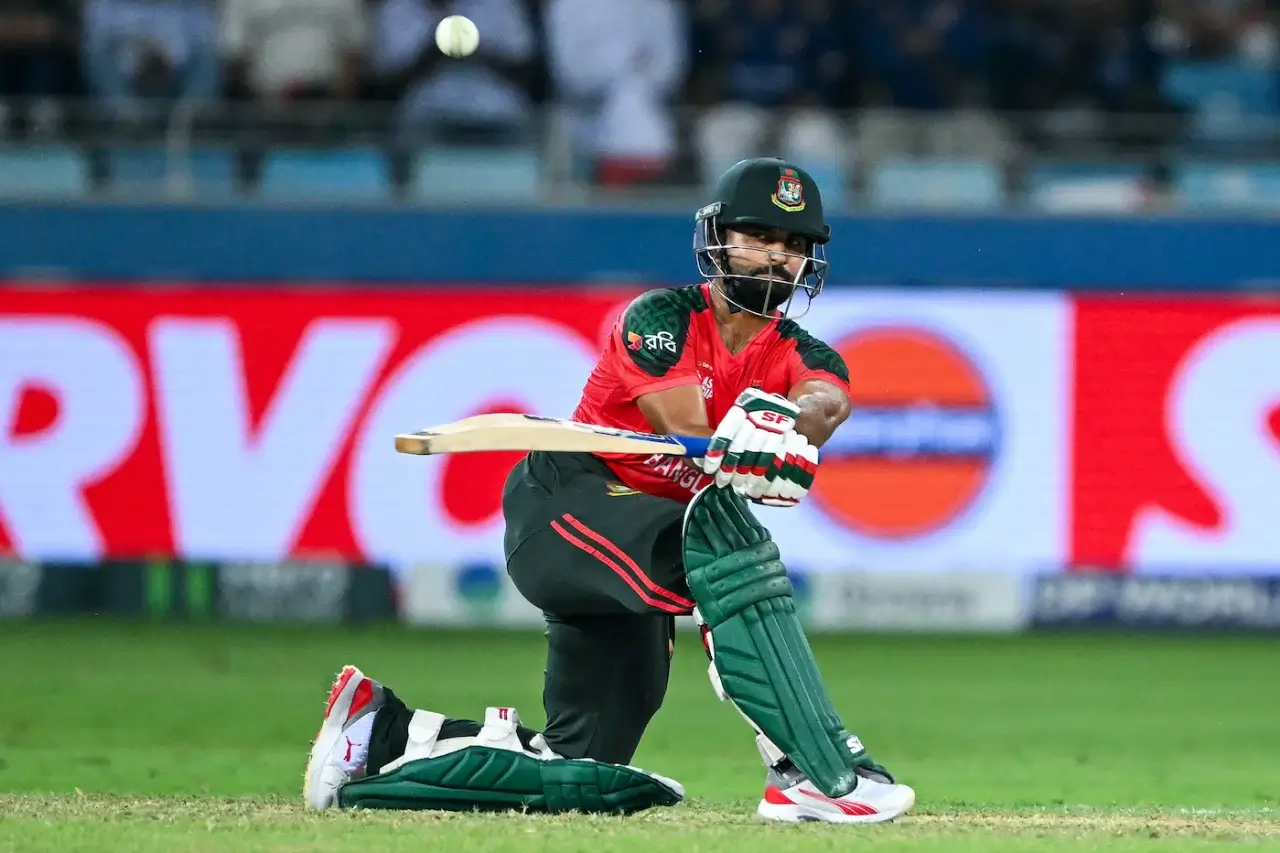
Bangladesh’s ODI batting currently lacks a clear identity. The team often starts cautiously, loses momentum in the middle overs, and struggles to finish innings strongly. This confusion between aggression and safety creates pressure rather than relieving it. Without a defined approach, batters second-guess decisions and lose confidence quickly.
The solution lies in role clarity. Top-order batters must focus on powerplay control, not survival. Middle-order players need to rotate strike consistently instead of forcing boundaries. Finishers should be selected and trained specifically for high-pressure scenarios. When every batter knows his role, decision-making becomes simpler and execution improves naturally.
Modern ODI teams succeed by adapting to match the situation, rather than sticking to rigid plans. Bangladesh must move away from reputation-based batting orders and build flexible combinations. This change alone can reduce collapses and bring stability back to the scoreboard.
Bowling Needs Structure, Not Panic Changes
Bangladesh’s bowling once relied on discipline and control, especially at home. Recently, that strength has weakened due to poor role definition and reactive decision-making. Powerplay wickets are inconsistent, and middle overs often leak runs without resistance. When bowlers lose clarity, captains lose control of the match.
A revived bowling unit needs clear roles across phases. Strike bowlers must attack early with defined plans. Middle-over bowlers should focus on containment and pressure-building. Death bowlers must be backed consistently rather than rotated out after one bad over. Confidence grows when bowlers trust the system around them.
Equally important is field placement. Bowling plans fail when the fields do not support the intent. Better coordination between the captain and bowlers can turn average spells into match-defining phases. ODI cricket rewards sustained pressure, not desperate bursts.
Leadership Stability Can Calm the Entire Team
One of Bangladesh’s biggest issues has been leadership instability. Frequent captaincy changes disrupt team rhythm and dilute authority. Players struggle to adjust to new styles repeatedly, which impacts confidence and communication. A long-term ODI captain is essential for revival.
Good leadership in ODIs is not about aggression alone. It is about making calm decisions during stressful moments. Bangladesh often loses control when momentum shifts against them. A composed leader can slow the game, reset plans, and prevent collapses from becoming disasters.
Leadership should also be shared. Senior players must support the captain on the field and in the dressing room. When responsibility is distributed, younger players feel secure. Stability at the top often reflects stability in performance.
Domestic Cricket Must Prepare Players for ODI Demands
Bangladesh’s domestic structure does not currently prepare players well for international ODI cricket. Many domestic matches lack the pace, pressure, and conditions faced globally. As a result, players struggle to adapt once they step up.
ODI-specific domestic competitions can bridge this gap. Pitches should encourage balanced contests rather than extremes. Batters must learn to build long innings, and bowlers must defend totals under pressure. Selection should reward adaptability rather than comfort.
A stronger domestic pipeline increases competition for national spots. This creates healthy pressure and improves overall standards. Successful international teams are built long before match day, and Bangladesh must invest in that process.
Learning From Past Rivalries Can Guide the Rebuild
Bangladesh’s ODI struggles against stronger teams follow predictable patterns. Studying these patterns honestly can provide solutions. Past matches clearly show where momentum shifts occur and why they fail to recover.
Encounters against India, for example, highlight repeated middle-order collapses and bowling lapses under pressure. A detailed breakdown of this trend is visible in the India vs Bangladesh national cricket team timeline, which shows how preparation gaps affect outcomes over time. Learning from such rivalries can shape smarter strategies.
History should be used as a guide, not a reminder of failure. Teams that learn from patterns grow faster. Bangladesh must turn analysis into action.
Revival Requires Patience, Not Panic
Bangladesh’s ODI revival will not happen overnight. The problems are structural, not emotional. Quick fixes and frequent changes will only delay progress further. What the team needs now is patience backed by clarity.
Batting roles, bowling plans, leadership stability, and domestic reform must work together. None of these elements succeeds in isolation. When aligned, confidence returns and results follow naturally.
Bangladesh still has the talent to compete at the ODI level. What they lack is direction. Fixing that direction can change their future. The path is difficult, but revival is still possible.