


India vs Bangladesh contests are often underestimated because outcomes look predictable. India win most matches. Margins appear comfortable. Yet beneath the scorecards, these games consistently demand discipline and patience. Bangladesh rarely allow India to coast. They slow phases, test temperament, and stretch contests deeper than expected. This rivalry is no longer defined by upsets or emotional moments. It is defined by sustained pressure.
Bangladesh approaches India with planning rather than hope. They accept being outmatched on paper but refuse to easily concede control. India, in turn, treats these matches as evaluation zones. Squad rotation, tactical experimentation, and role testing often appear here more than against marquee rivals. That dynamic makes this rivalry quietly important.
These games expose systems. They test concentration spans. They reveal how teams behave when dominance is delayed. India vs Bangladesh may not dominate headlines globally, but tactically, it remains one of the most revealing matchups in modern international cricket.
Why Bangladesh Never Make These Games Easy?
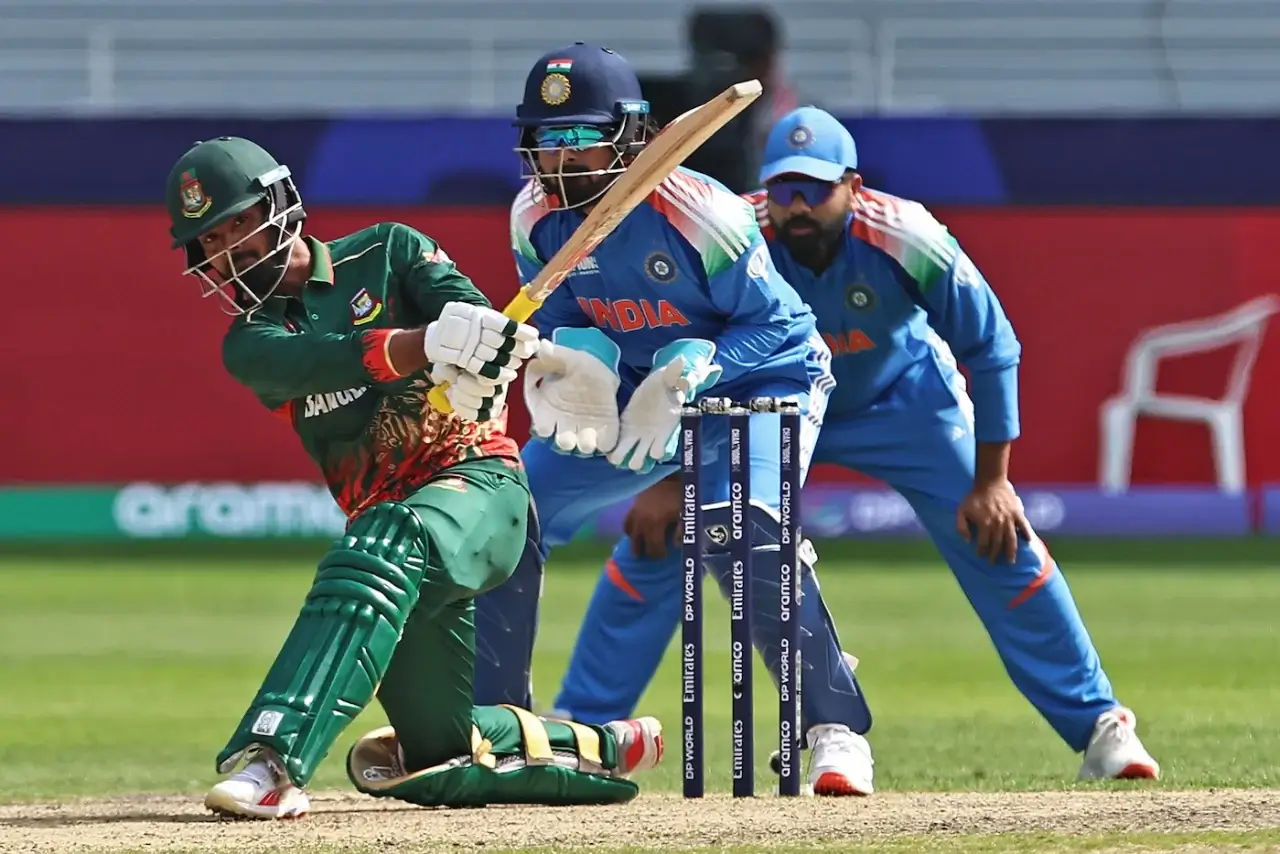
Bangladesh’s resistance against India is built on discipline rather than aggression. Their bowlers focus on repeatable plans instead of emotional bursts. Lengths are defended stubbornly. Boundaries are protected first, wickets second. This approach rarely produces early collapses for India, but it delays comfort. That delay is crucial.
Even when Bangladesh loses wickets, they preserve structure. Batters avoid reckless shots. Partnerships are extended where possible. Singles are valued. This prevents India from accelerating uncontested. Pressure builds quietly, not dramatically.
What makes this approach effective is consistency. Bangladesh do not abandon plans after setbacks. A dropped catch or missed chance does not trigger panic. They continue to squeeze phases. India are forced to maintain focus longer than expected. Fatigue creeps in mentally before it does physically.
Bangladesh may lose sessions. They may lose matches. But they rarely lose control early. That alone makes these games harder than scorelines suggest.
How India Use Bangladesh Series as Planning Grounds?
India approach Bangladesh series with a strategic lens rather than emotional urgency. These matches provide competitive opposition without the volatility of high-profile rivalries. That balance makes them ideal testing grounds.
Selectors experiment here. New batters are tested against spin-heavy attacks. Bowlers are asked to execute plans rather than rely on raw pace. Captains trial field placements and bowling sequences under real pressure. These experiments are not random. They are deliberate.
Rotation during these series is often misunderstood. It is not disrespect. It is evaluation. Bangladesh compete hard enough to expose flaws but rarely overwhelm preparation goals. India learn about bench strength, role clarity, and adaptability in these contests.
By the time major tournaments arrive, many decisions have already been shaped quietly during India–Bangladesh series. The results may fade. The learnings remain.
Why Scorecards Mislead in This Rivalry?
India’s margins against Bangladesh often hide struggle. A seven-wicket win may include long stagnant phases. A 70-run victory may involve sustained pressure in the middle overs. Scorecards flatten complexity.
Bangladesh force India to earn dominance rather than inherit it. Required rates may remain manageable, but rhythm is often disrupted. Partnerships take longer to break. Boundaries arrive in bursts rather than flows.
This is why analysts value match flow more than margins in this rivalry. India are rarely allowed to dictate pace from start to finish.
Bangladesh’s ability to stretch contests makes these matches revealing. Weaknesses appear. Habits are tested. Comfort zones shrink. The final numbers reward India. The process challenges them.
Spin as the Tactical Heart of the Contest
Spin bowling defines India vs Bangladesh more than any other factor. Bangladesh build entire match plans around spin control, especially at home. They aim to slow scoring rather than chase wickets recklessly.
India counter this with rotation, footwork, and patience. Success depends less on power and more on discipline. When India rotate freely, pressure evaporates. When dot balls accumulate, Bangladesh regain control.
This battle shapes tempo across formats. Middle overs become decisive. Small momentum shifts matter. Bangladesh spinners bowl to fields and plans. India’s response determines whether dominance arrives early or late.
These spin-heavy contests sharpen both sides. India refine methods needed for global tournaments. Bangladesh test discipline against elite batters. This shared focus raises the tactical quality of the rivalry beyond rankings.
The Mental Shift Inside Bangladesh Cricket
Bangladesh’s mindset against India has evolved significantly. Earlier teams often played with emotional intensity. Wins felt historic. Losses felt crushing. That emotional weight affected consistency.
The current generation plays India with clinical intent. Reputation matters less. Planning matters more. Indian stars are treated as challenges, not icons. This shift has reduced collapses and panic.
Players now focus on phases rather than moments. Small wins are valued. Pressure is absorbed rather than feared. This maturity shows even in defeat. Bangladesh rarely unravel mentally now.
They still lose often. But they lose with structure. That structure forces India to stay alert. Complacency is punished. This mental shift is Bangladesh’s most important development in the rivalry.
Why This Rivalry Still Matters in Modern Cricket?
India vs Bangladesh reflects how modern international cricket functions. Bilateral series are no longer just about trophies. They are preparation tools.
Bangladesh use these contests to measure progress honestly. India use them to refine systems quietly. Both sides gain clarity. That mutual utility keeps the rivalry relevant.
This matchup may not dominate global narratives. But tactically, it remains instructive. It tests patience, discipline, and adaptability. It rewards structure over flair.
In a crowded calendar, relevance comes from usefulness. India vs Bangladesh remains useful to both teams. That alone ensures its continued importance.
How Bangladesh Turn India Matches Into Long Tests of Patience?
Bangladesh rarely overpower India. Instead, they extend contests deliberately. This supporting article explains how Bangladesh transform India matches into long examinations of discipline and control. Their methods are subtle but repeatable. They focus on phase control, middle-over discipline, and emotional restraint. Even in defeat, Bangladesh extract value. Understanding these patterns explains why India vs Bangladesh games feel closer than results suggest.
Phase Control Over Early Breakthroughs
Bangladesh prioritize control over early wickets. Bowlers focus on length consistency and dot balls rather than searching for magic deliveries. This frustrates batters without confrontation.
India are slowed gradually. Boundaries dry up. Risk increases. When wickets finally fall, they feel earned. This approach prevents runaway starts and keeps Bangladesh competitive longer.
Phase control also reduces volatility. Even when plans fail briefly, structure remains intact. Bangladesh accept delayed rewards. That patience stretches matches deep. Against India, early restraint matters more than early success. Bangladesh understand this well.
Middle-Overs Discipline as a Core Strategy (Expanded)
Overs seven to fifteen are Bangladesh’s strongest zone. Spinners bowl to fields. Singles are defended aggressively. Boundaries are rationed.
India often pause here. Momentum stalls. Pressure builds invisibly. Bangladesh accept modest scoring if it preserves control.
This middle-over squeeze forces late acceleration. Risks increase. Even when Bangladesh lose at the death, they ensure India feel pressure beforehand.
The discipline required for this phase reflects maturity. It is planned, practiced, and repeated. This phase defines Bangladesh’s resistance.
Bangladesh bat with matchup awareness rather than aggression. They target specific bowlers. They avoid unnecessary risks.
This keeps wickets intact longer. Partnerships stretch. India are denied early dominance. Even moderate totals become competitive. Selective batting reduces collapses. It preserves structure. Against India, survival creates opportunity. This approach reflects realism rather than fear. Bangladesh understand limits. They play within them. Confidence grows from process, not hope.
Each series sharpens belief rooted in discipline. Even defeat becomes instructional. That learning loop is why Bangladesh continue to improve quietly. Against India, growth matters more than results.