Bangladesh are no longer approaching global tournaments as underdogs. Heading into the T20 World Cup 2026, their squad profile suggests intent, balance, and maturity.
Over the past two years, Bangladesh have quietly reshaped their T20 identity. They have moved away from defensive cricket and embraced adaptability. Batting depth has improved. Bowling variety has expanded. Fielding standards have risen noticeably.
This evolution has not happened overnight. It is the result of deliberate selection, role clarity, and exposure to different conditions. Bangladesh now possess players comfortable in high-tempo matches to change the timeline, something that was missing earlier.
The 2026 tournament will demand flexibility. Surfaces will vary. Matchups will decide games. Bangladesh appear better equipped than ever to handle those demands. This is not hype. It is structural readiness.
A More Aggressive and Flexible Top Order
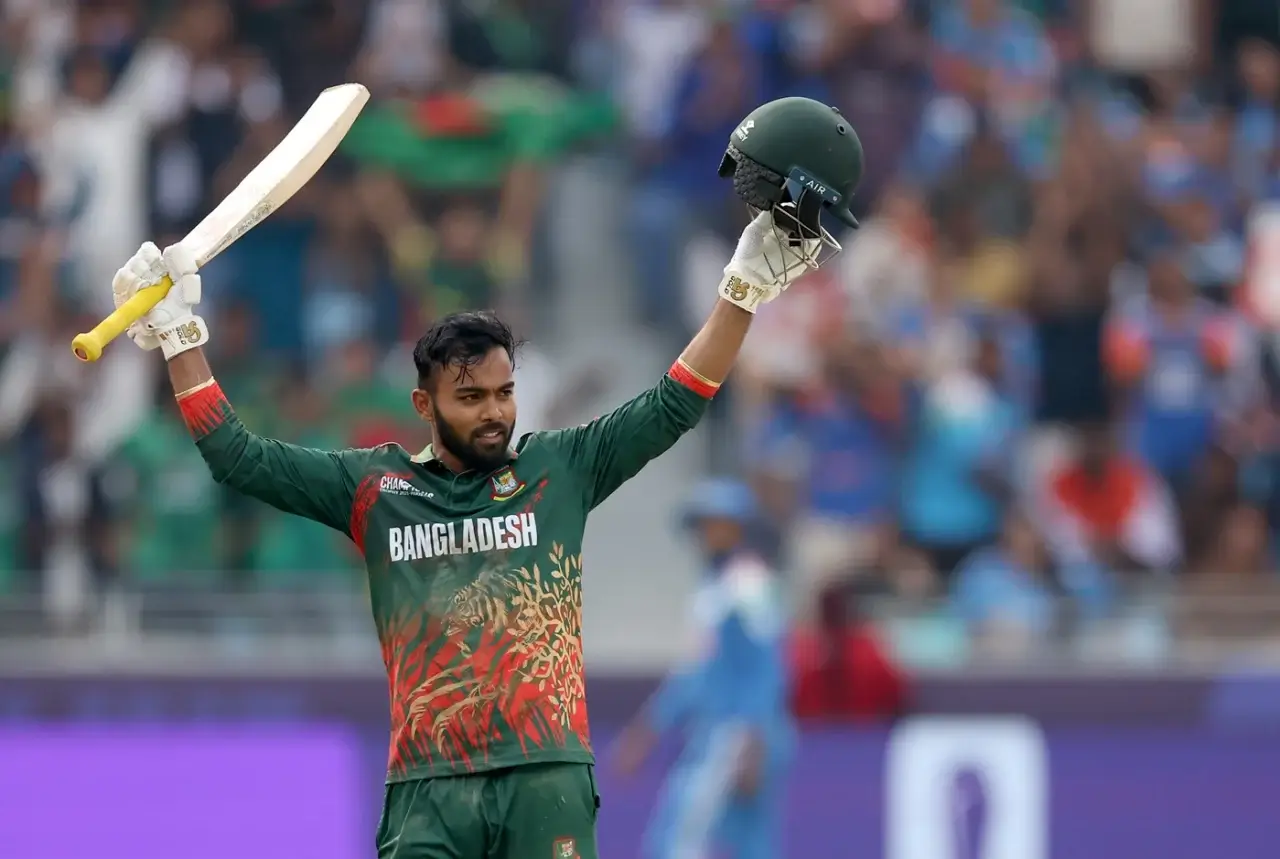
Bangladesh’s biggest transformation lies at the top of the order. The intent is clearer. The options are broader. Batters like Litton Das have evolved into proactive anchors who can accelerate without panic. Alongside him, emerging openers bring powerplay aggression rather than mere survival.
Bangladesh no longer relies on one batter batting deep. Instead, they focus on collective starts. That reduces pressure in the middle overs and allows freedom later.
This flexibility is crucial in T20 World Cups, where early momentum often determines the outcome. Bangladesh now has multiple ways to approach the first six overs, depending on the opposition and the pitch. That adaptability makes them harder to plan against.
Middle-Order Stability Anchored by Experience
While aggression has increased, stability has not been sacrificed. Bangladesh’s middle order blends experience with control.
Shakib Al Hasan remains central to this balance. His ability to read situations, rotate strike, and accelerate late gives Bangladesh tactical flexibility.
Support around him has improved. Players are clearer about roles. Some are designated finishers. Others are stabilisers. This clarity reduces collapses under pressure.
In previous tournaments, Bangladesh often lost games in the middle overs. That phase now looks more controlled. Partnerships last longer. Wickets are preserved better. In knockout cricket, that stability becomes invaluable.
Bowling Attack Designed for All Conditions
Bangladesh’s bowling attack is more versatile than ever. They no longer depend solely on spin dominance.
Their fast-bowling group now offers pace variation, swing, and death-over skill. This allows Bangladesh to compete on flatter surfaces where spin alone struggles.
At the same time, spin remains a strength. Bangladesh still possesses multiple spin options capable of choking runs in the middle overs. The difference now is balance, not reliance.
Captains can mix attacks based on conditions. That adaptability was missing in earlier World Cups.
Bowling wins tournaments. Bangladesh’s attack now looks capable of defending scores and restricting powerful line-ups.
Improved Fielding Raising Overall Match Control
One of Bangladesh’s quiet improvements has been fielding. This area often separates contenders from participants.
Over recent seasons, athleticism has improved. Catching standards are higher. Ground fielding saves crucial runs in tight matches.
These gains may not dominate headlines, but they decide knockout games. Bangladesh have invested in fitness and fielding drills across formats.
Dropped chances cost them in past World Cups. That margin appears smaller now. In tournaments where one moment can flip a match, better fielding adds confidence across departments.
Leadership Clarity and Tactical Growth
Leadership stability has helped Bangladesh mature. Decision-making on the field has improved noticeably.
Bowlers are used more strategically. Matchups are planned rather than improvised. Timeouts are utilised effectively.
Senior players guide younger ones rather than carrying the entire burden. That shared responsibility strengthens team cohesion.
Bangladesh now looks like a unit executing plans, not reacting to pressure. That mental shift is critical at World Cups. Teams that think clearly under stress often outperform more talented but reactive sides.
Exposure to Global Leagues and Tough Conditions
Bangladesh players are gaining more exposure to high-pressure cricket outside bilateral series.
Participation in overseas leagues and tours has improved adaptability. Players are learning to handle pace, bounce, and crowd pressure.
This experience narrows the gap against traditional powerhouses. Bangladesh batters are less tentative against fast bowling. Bowlers are smarter with variations.
T20 World Cups reward teams comfortable away from home. Bangladesh are moving closer to that benchmark.
Experience breeds confidence. Confidence fuels performance.
Why Bangladesh Could Be the Surprise Package of 2026?
Bangladesh may not start as favourites, but that suits them. Expectations remain moderate. Pressure stays manageable.
What they do have is balance. A clear batting structure. Versatile bowling. Improved fielding. Better leadership.
They are no longer reliant on one strength. They compete across departments.
If they handle key moments well, Bangladesh can beat bigger teams. The gap has narrowed significantly.
T20 World Cups often reward teams peaking at the right time. Bangladesh appear well positioned to do exactly that. In 2026, they won’t just participate. They will compete.