

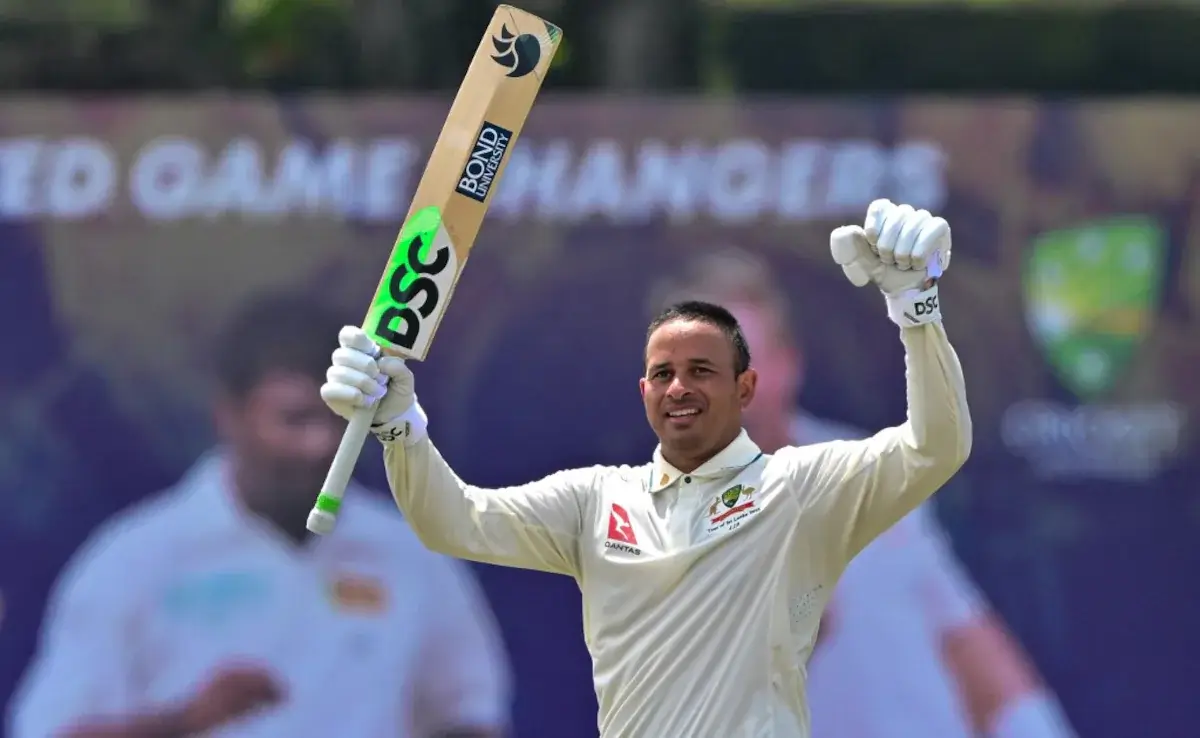
When the Ashes narrative is written, loud moments often dominate memory. But Australia’s success in this series leaned heavily on something subtler. It leaned on control, composure, and continuity. That influence came from Usman Khawaja.
Khawaja’s role in this Ashes was not defined by match-winning hundreds or dramatic finishes. It was defined by stability. He absorbed pressure early. He set tempo quietly. He allowed others to play with freedom. At a time when England oscillated between aggression and confusion, Khawaja anchored Australia emotionally and tactically.
His final Test at the SCG added poignancy. Emotions ran high. Runs were scarce. Yet his presence still mattered. Teammates trusted him. Opponents respected him. The series victory felt complete only when Khawaja walked off for the final time.
This article explores how Khawaja shaped Australia’s Ashes campaign, why his role transcended numbers, and how his career leaves a blueprint for future Australian teams.
Table of Contents
ToggleWhy Khawaja Became Australia’s Most Reliable Ashes Constant?

Ashes series demands reliability more than brilliance. Khawaja provided exactly that. While conditions fluctuated and line-ups shifted, his approach never wavered to dominate teams by Australia.
Opening in Australia is unforgiving. New ball movement. Fresh surfaces. Relentless scrutiny. Khawaja handled it with patience and clarity. He did not chase dominance. He earned it through time at the crease.
Across this series, his presence stabilised Australia’s starts. Even when dismissed early, his intent shaped innings. He absorbed the hardest overs, allowing stroke-makers to thrive later.
England struggled to break this pattern. They could not rush him. They could not lure him into mistakes consistently. That frustration bled into their plans.
In an Ashes defined by England’s inconsistency, Khawaja’s steadiness became a strategic weapon. Australia always began on firm footing because of him.
The Tactical Value of Khawaja’s Opening Partnership Role
Khawaja’s partnerships defined Australia’s batting rhythm. Whether alongside aggressive openers or steadier complements, he adjusted seamlessly.
He understood when to defend and when to rotate strike. That adaptability protected partners under pressure. Bowlers lost early momentum. Fields spread sooner than planned.
His left-handedness also disrupted England’s bowling combinations. Lines adjusted. Lengths shifted. Plans fractured. Small advantages accumulate quickly. Importantly, Khawaja never forced authority. He let it develop organically. That calm reassured teammates.
Australia’s middle order often walked in with reduced pressure. That advantage traced back to Khawaja’s early overs. Opening partnerships rarely dominate headlines. But they decide the series. Khawaja mastered that responsibility.
How Khawaja’s Composure Exposed England’s Tactical Fragility?
England’s Ashes strategy relied on sustained pressure. Khawaja denied it. He rarely gifted wickets. He left well. He trusted defence. England were forced to bowl long spells without reward. As frustration grew, discipline slipped. Lengths shortened. Fields loosened. Khawaja capitalised quietly.
His composure highlighted England’s impatience. Where England chased moments, Khawaja trusted process. That contrast became stark across Tests. Australia did not need him to dominate sessions. They needed him to neutralise England’s plans. He delivered consistently.
In a series where England talked about intent, Khawaja demonstrated control. Control wins Ashes. His batting became a mirror. England saw their own impatience reflected painfully.
Leadership Without the Armband: Khawaja’s Dressing-Room Role
Khawaja’s influence extended beyond the pitch. Though not captain, his presence anchored the dressing room.
Younger players leaned on him. Senior players trusted him. His calm demeanour steadied nerves in tight moments. He spoke selectively. When he did, players listened. That credibility cannot be manufactured.
During this Ashes, leadership transitions challenged Australia. Khawaja’s continuity helped bridge gaps. He led by example. Preparation. Professionalism. Emotional balance.
That quiet authority mattered deeply during pressure moments. Australia’s cohesion owed much to Khawaja’s off-field presence. His leadership style complemented louder voices perfectly.
The Emotional Weight of a Farewell Ashes at the SCG
Khawaja’s final Test carried emotional gravity. The SCG crowd understood it. So did his teammates.
The guard of honour from England reflected universal respect. His Sajdah on the outfield added a powerful personal moment.
Emotion affected his batting. He admitted it openly. That honesty resonated.
Yet even without runs, his farewell felt complete. Australia won. The series was sealed.
Khawaja did not need a fairytale finish. His career had already delivered substance. The SCG farewell symbolised dignity. It closed a chapter gracefully. Few retirements feel earned. Khawaja’s did.
What Khawaja’s Career Represents in Australian Cricket History?
Khawaja’s legacy extends beyond numbers. Yet his numbers stand tall. Over 6000 Test runs. Sixteen centuries. Elite averages as an opener.
He succeeded later than most. He persisted. He evolved. As Australia’s first Muslim Test cricketer, his journey carried cultural weight. He expanded representation quietly, without slogans.
His career proved that patience still matters in modern cricket. Australia benefited enormously from that example. Khawaja leaves behind more than runs. He leaves a standard.
Why Australia Will Miss Khawaja More Than They Expect?
Replacing runs is easy. Replacing reliability is not. Khawaja offered Australia predictability at the top. Calm under pressure. Clarity in chaos. Future openers will feel the absence. Not immediately. But over time.
His influence shaped Australia’s recent success subtly. As this Ashes showed, series are won through accumulation. Khawaja embodied that principle. Australia move forward stronger because of him. But also quieter. That silence will be noticed.
Usman Khawaja’s Ashes role was not dramatic. It was decisive. Through calm batting, tactical awareness, and emotional maturity, he anchored Australia’s dominance.
His farewell at the SCG closed a career built on patience and purpose. Australia did not just lose an opener. They lost a stabilising force. Ashes triumphs are remembered for moments. But they are built on foundations. Khawaja was that foundation.