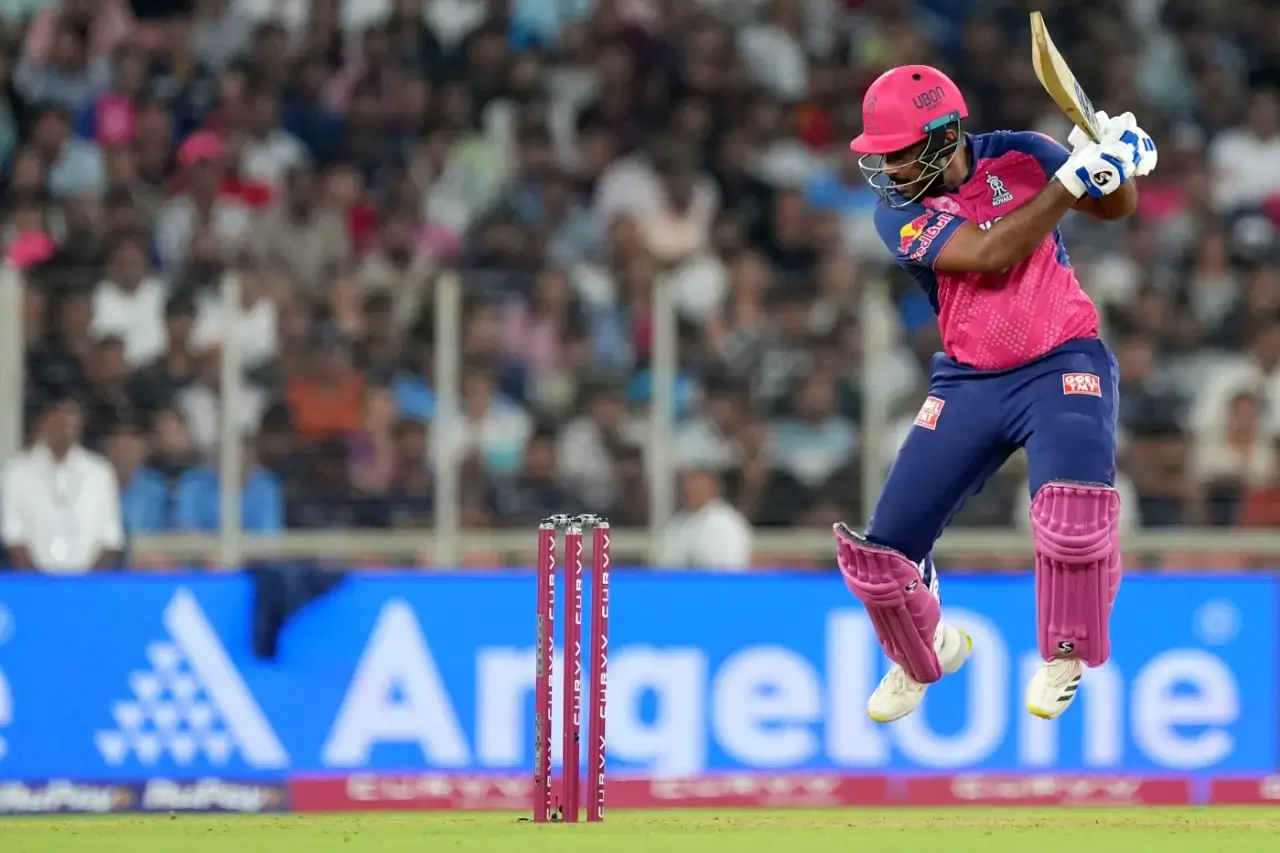
The Indian Premier League has become deeply influenced by data and analytics. Teams now rely on structured insights to guide major cricket decisions. Rajasthan Royals are among the franchises leading this analytical shift. Their strategy blends cricketing experience with measurable performance indicators.
Before auctions even begin, analysts work alongside scouts and coaches. They carefully study domestic competitions, player roles, and performance trends. This preparation helps reduce uncertainty during the recruitment process. Every decision is guided by a defined analytical framework.
Rajasthan Royals’ Director of Strategy and Analytics, Giles Lindsay, explained this evolution clearly. He highlighted how data strengthens scouting rather than replacing human judgment. Technology now supports decisions across auctions, training, and match tactics. The aim is consistency rather than short-term gains for the franchise.
Artificial intelligence has further accelerated these processes in recent years. Simulations now test thousands of scenarios instantly. Coaches receive clearer probability-based insights under pressure. This approach gives Rajasthan Royals a structured competitive advantage.
How Rajasthan Royals Use Data to Identify Domestic Talent?
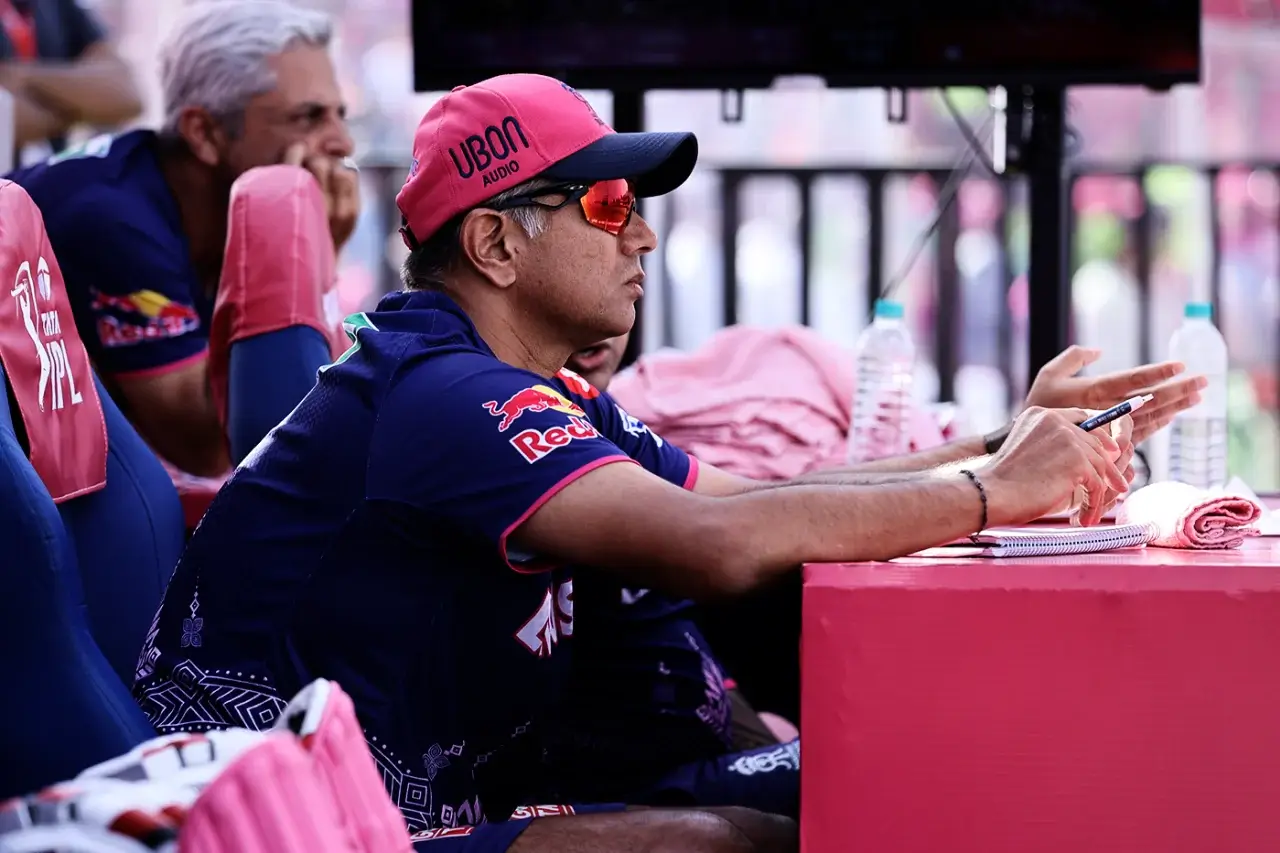
Rajasthan Royals have built a close link between analysts and traditional scouts. Domestic competitions across India are tracked using detailed performance data. Before scouts watch players live, analysts create initial data profiles. This ensures scouting efforts remain targeted and efficient.
Scouts then observe shortlisted players during tournaments and trials. Their feedback is stored inside a centralised data system. This prevents loss of valuable observations over time. Every report contributes to a shared evaluation process.
Video scouting plays a crucial role in talent identification. Advances in technology allow analysts to study players remotely. Technique, consistency, and role suitability are reviewed carefully. Decisions are no longer based on single performances.
Trials now act as final confirmations rather than discovery stages. Most player information is already known beforehand. This reduces randomness during selection. Alignment across departments improves overall accuracy.
Why RR Calls Their Process a “Triple Lock” System?
Rajasthan Royals insist on alignment between scouts, analysts, and coaches. Each group evaluates players from a different perspective. No single opinion dominates the final decision. This balance strengthens confidence in selections.
Data adds objectivity, scouts add context, and coaches assess role fit. Agreement across all three creates clarity. This “triple lock” limits costly recruitment errors. The system ensures consistency across seasons.
What does a Data Profile mean in Rajasthan Royals’ Planning?
A data profile defines a player’s suitability for a specific role. Rajasthan Royals studied historical IPL trends to build these profiles. They analysed par scores, match phases, and qualification benchmarks. Each role now carries measurable performance expectations.
These profiles apply to finishers, powerplay bowlers, and middle-overs batters. Benchmarks allow comparison across different competitions. This removes bias from reputation alone. Decisions remain evidence-based.
Coaches provide skill-based feedback in addition to numerical data. Technique, adaptability, and temperament remain important considerations. Data does not override cricketing sense. It supports it.
Profiles also guide auction planning. Everyone understands exactly what type of player is required. Filters become clear and efficient. Decision speed improves significantly.
How Rajasthan Royals Planned After Sanju Samson’s Exit?
Sanju Samson’s departure created multiple squad challenges for the Rajasthan Royals. He filled leadership, batting, and wicketkeeping roles simultaneously. The franchise anticipated this scenario through annual squad reviews. Planning focused on mitigation rather than direct replacement.
Rajasthan Royals targeted balance by acquiring Ravindra Jadeja and Sam Curran. Both players added depth across the batting, bowling, and fielding departments. Experience also strengthened pressure handling. The squad gained flexibility.
Internal options provided additional coverage. Dhruv Jurel offered wicketkeeping support. Vaibhav Suryavanshi showed growth in top-order roles. The team trusted internal development pathways.
Perfect solutions rarely exist in IPL auctions. Budget and availability limit choices. Rajasthan Royals prioritised overall squad balance. Long-term planning guided decisions.
Why IPL Squad Building Favours Analytical Thinking?
IPL teams work with fixed budgets and limited player pools. Every franchise follows a different philosophy. Analysts test optimal combinations under constraints. This makes IPL planning uniquely complex.
AI simulations aid in evaluating supply and demand trends. Multiple auction outcomes are tested quickly. Emotional decisions are reduced significantly. Preparation becomes calm and structured.
Why Rajasthan Royals Let Go of Established Stars?
Between 2022 and 2024, the Rajasthan Royals enjoyed strong performances. They reached the playoffs and remained consistently competitive. Retaining every star was impossible under IPL rules. Difficult decisions became unavoidable.
The franchise evaluated retentions over a three-year cycle. Long-term squad sustainability mattered more than sentiment. Releasing senior players created future flexibility. Regeneration became the focus.
Young talents like Dhruv Jurel fit long-term planning goals. Management trusted development over reputation. Experience loss was weighed carefully. Confidence remained high in the rebuilt squad.
Multiple viewpoints shaped these decisions. Coaches, analysts, and leadership contributed insights. Final authority rested with ownership. Decisions aimed at sustainable competitiveness.
How AI Is Transforming Rajasthan Royals’ Match Preparation?
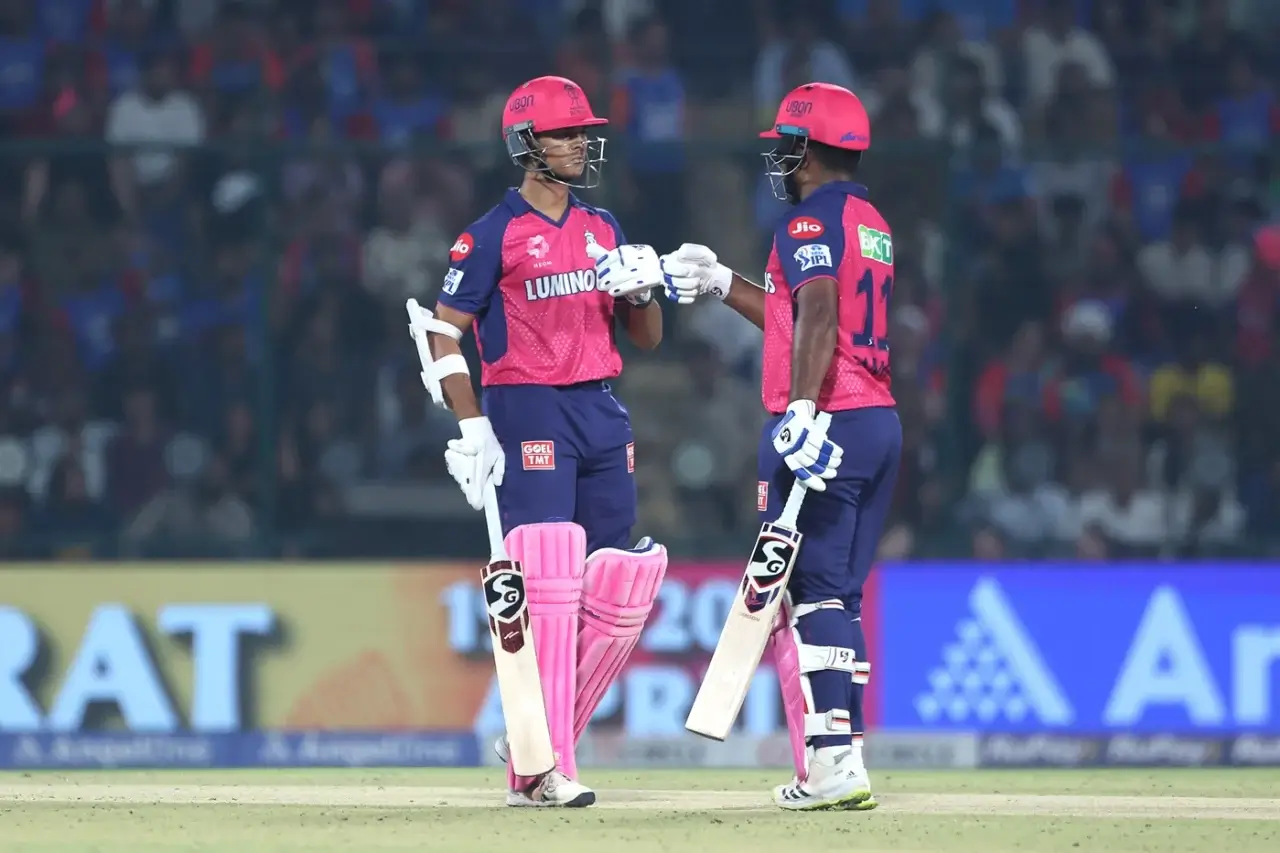
Artificial intelligence initially simplified reporting and coding tasks. Over time, its role expanded significantly. Video tools now automate training analysis. Manual workload reduced sharply.
Wearable technology provides precise batting metrics. Tools like Str8Bat measure bat speed and timing efficiency. Players receive measurable feedback. Development becomes targeted.
AI also powers auction and lineup simulations. Thousands of scenarios are tested rapidly. Decision-makers see probability ranges clearly. Pressure handling improves.
Pattern recognition during matches is another focus area. Simulators assess game states and tactical adjustments. AI offers objectivity, not instructions. Human judgment remains central.
How Lineup Simulations Help Coaches Decide Faster?
AI allows rapid testing of team combinations. Conditions and opposition are adjusted digitally. Outcome ranges become visible. Risk assessment improves.
AI does not predict exact results. It highlights probabilities and trends. Coaches retain final authority. Decisions become proactive.
How Players Respond to Data and Analytics?
Player comfort with analytics has increased steadily. However, preferences differ widely. Some players seek detailed insights. Others rely on instinct.
Analysts tailor information delivery carefully. The aim is support, not overload. Players still control on-field decisions. Data improves clarity.
Bowlers engage deeply with analytics. They study matchups, scoring areas, and field placements. Preparation builds confidence. Execution improves.
Young players receive lighter information loads. Development remains the priority. Instinct is protected. Analytics guide quietly.
Conclusion
Rajasthan Royals have embraced data and AI as support systems. These tools strengthen scouting, planning, and match preparation. Human judgment remains essential. Technology improves clarity.
The franchise blends experience with structured analysis effectively. Scouts, analysts, and coaches work in alignment. Decision quality improves. Confidence grows.
AI simulations and wearable tools deliver measurable benefits. Players develop without losing instinct. Preparation becomes sharper. Performance gains sustain.
As the IPL evolves, such systems may become standard. Rajasthan Royals already operate at that level. Their balance of logic and cricket sense stands out. That balance may define future success.