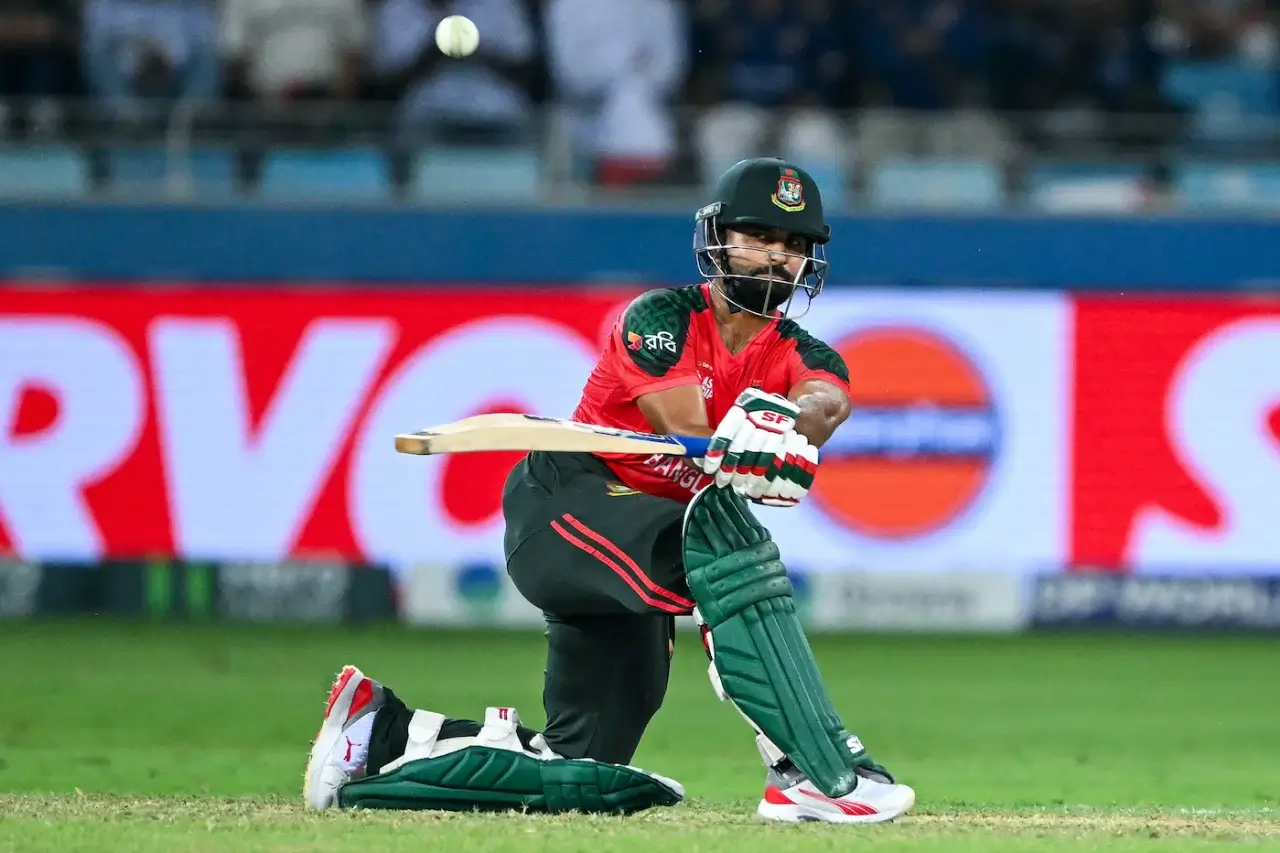
Every emerging cricket nation looks for a roadmap. For Afghanistan cricket team, that roadmap already exists in familiar colours. The rise of Bangladesh national cricket team offers valuable lessons shaped by struggle, patience, and long-term planning.
Bangladesh did not become competitive overnight. Their progress came through years of defeats, criticism, and rebuilding. Afghanistan now stand at a similar crossroads. Talent is not the issue. Structure and sustainability are.
By studying Bangladesh’s experience closely, Afghanistan can avoid costly mistakes and accelerate their own growth across formats. The similarities between the two nations make the comparison both natural and instructive.
Building a Strong Domestic Backbone Matters Most

Bangladesh’s transformation began at home. Their domestic competitions created match-hardened players. First-class cricket was prioritised. Conditions mirrored international demands.
Players learned patience through long spells at the crease. Bowlers learned discipline across sessions. This foundation eventually reflected at Test level.
Afghanistan’s domestic system still lacks consistency. Matches are fewer. Red-ball exposure is limited. Without sustained domestic volume, international improvement stalls.
Afghanistan must expand first-class cricket. More matches. Longer seasons. Better pitches. International success cannot survive without domestic repetition.
Accepting Short-Term Pain for Long-Term Gain
Bangladesh endured years of heavy defeats. They resisted shortcuts. Instead of panic, they doubled down on development. Senior players were backed despite failures.
This patience built resilience. Players learned how to survive tough spells. Losses became lessons, not identity.
Afghanistan sometimes chase immediate results. That mindset risks stagnation. Growth demands tolerance for failure.
Test cricket improvement requires time. Afghanistan must accept losses as part of evolution, not evidence of failure.
Conditions-Based Cricket Changed Bangladesh’s Fortunes
Bangladesh understood their strengths. Spin-friendly pitches. Slow turners. Heat and humidity. They leaned into these advantages unapologetically.
Opposition teams struggled. Bangladesh gained confidence. Wins followed. Home dominance created belief abroad.
Afghanistan possess similar potential. Spin is their strength. Conditions can be tailored without compromising fairness. Afghanistan must own their strengths. Design pitches that reward spin, patience, and tactical discipline.
League Cricket as a Development Tool, Not a Shortcut
The Bangladesh Premier League did more than entertain. It exposed local players to pressure situations. Foreign professionals raised standards. Young players learned quickly.
However, Bangladesh did not let T20 dominate everything. Red-ball and ODI cricket remained priorities.
Afghanistan’s players benefit from global leagues. But league exposure alone does not build complete cricketers.
Use franchise cricket as a supplement, not a replacement. Balance is critical for long-term growth.
Leadership Stability and Role Clarity
Bangladesh struggled until roles became clear. Leaders were trusted. Players understood expectations. Batting roles stabilised. Bowling plans became predictable but effective.
Constant chopping stopped. Confidence grew. Performance followed.Afghanistan often rotate leadership. That uncertainty affects dressing-room clarity. Stable leadership builds trust. Trust builds consistency. Consistency builds results.
Why Bangladesh Became Tougher to Beat?
Bangladesh’s greatest improvement came mentally. They stopped fearing reputations. Home wins built self-belief. Close matches stopped feeling overwhelming.
Afghanistan possess immense talent. But mental fatigue appears quickly under pressure. Experience teaches calm.
Test Cricket as the True Teacher
Bangladesh learned the hardest lessons in Test cricket. Batting time. Bowling spells. Fielding concentration. Nothing else exposed weaknesses so clearly.
Afghanistan’s Test exposure remains limited. But every Test offers priceless education. Play more Tests. Lose. Learn. Improve. There is no shortcut to Test maturity.
What Afghanistan Should Avoid Copying?
Bangladesh delayed fast-bowling development. Over-relied on spin. Fitness standards improved late.
Afghanistan must learn from this. Balance matters. Pace bowling cannot be ignored. Fielding must match ambition.
A Realistic Path Forward for Afghanistan
Bangladesh’s journey proves one thing clearly. Progress is non-linear. It requires humility, patience, and planning. Afghanistan already have global stars. What they need now is structure beneath them.
If Afghanistan invest in domestic cricket, accept short-term pain, and commit to Tests, growth will follow. Bangladesh walked this road before them. The lessons are visible. The blueprint is proven.
The choice now lies with Afghanistan’s cricketing leadership. Learn from history. Or repeat it.