


Caribbean cricket was once an identity, not just a sport. It was pride, resistance, and excellence rolled into one. Today, it feels abandoned—not by players or fans, but by those entrusted to protect it.
The crisis facing West Indies cricket is not accidental. It is systemic. It is engineered by leadership structures that reward failure, silence scrutiny, and entrench power. Across regional boards, administration has devolved into entitlement without responsibility, where results no longer matter and consequences no longer exist. This is not a talent drought. This is a governance disaster.
Failure Without Consequence Has Become the System
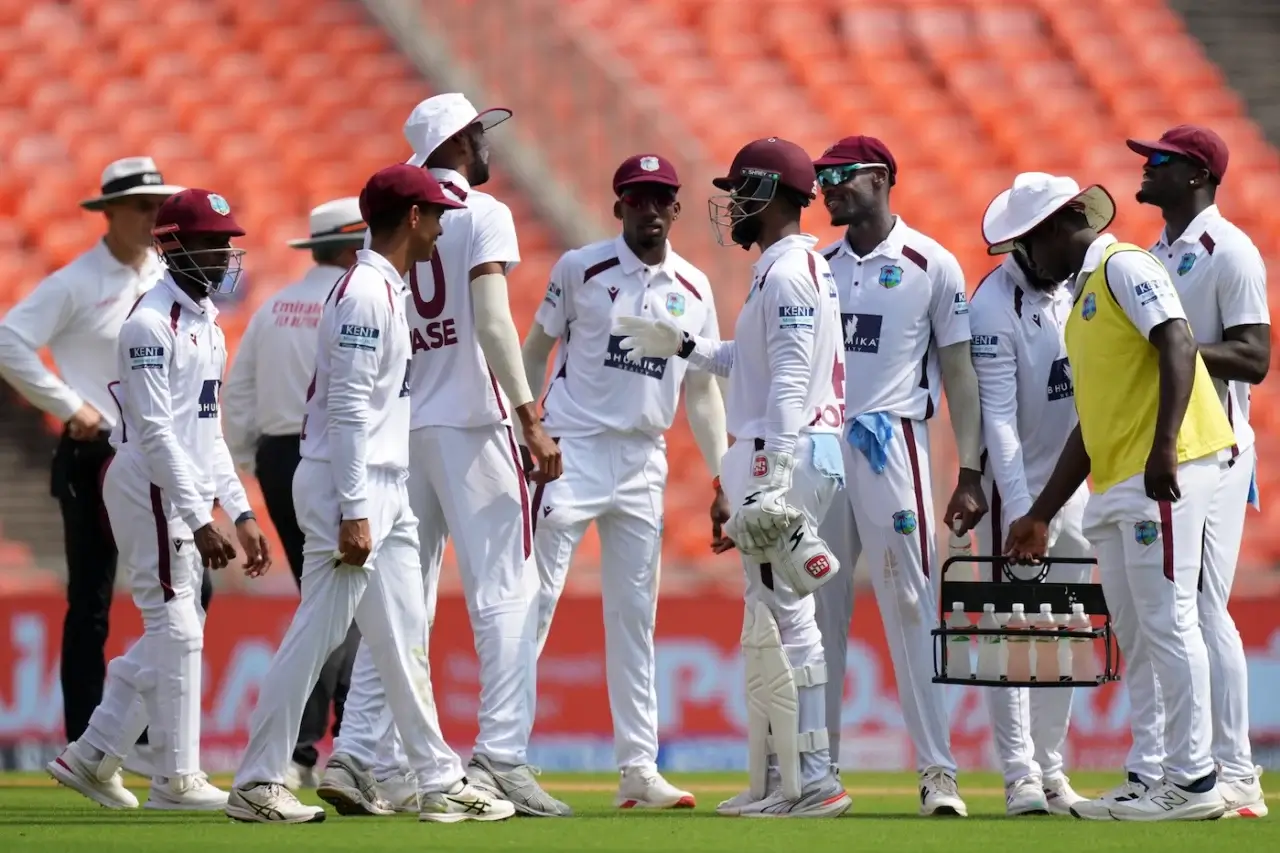
In most walks of life, repeated failure invites accountability. In cricket administration, it invites promotion. Boards continue to function despite embarrassing results, financial opacity, and public disengagement.
Administrators pay themselves generously while teams collapse on the field. Selection decisions are influenced by loyalty, not merit. Strategic plans exist only on paper, crafted to pacify headlines rather than build foundations.
Lose heavily, and nothing changes. Win occasionally, and nothing improves. The same individuals remain in charge, insulated from outcomes and untouched by reform. This is not mismanagement. It is protectionism.
How Governance Became a Closed Club?
Caribbean cricket boards increasingly resemble private societies rather than public custodians. Membership is often bloated, unqualified, and detached from cricketing reality. In some cases, boards contain dozens of members without a single former cricketer among them.
Experience in governance, sports management, or high-performance systems is not required. Access is. Belonging matters more than competence. Loyalty is rewarded. Dissent is punished.
When selection is described as “subjective,” it often translates to personal preference. Promising players are ignored. Veterans are discarded without planning. Questioning the system invites exclusion. This culture suffocates growth long before players reach the international stage.
Fans Didn’t Protest. They Just Left.
Perhaps the most damning indictment is silence. Caribbean fans did not riot or boycott. They simply drifted away.
Empty stands and fading grassroots participation reflect a deeper truth. Supporters no longer believe effort will be rewarded or excellence sustained. Passion has been replaced by resignation.
Meanwhile, administrators remain unmoved, continuing business as usual while the game’s cultural heartbeat weakens.
When Defeat No Longer Triggers Shame?
Recent results underline the depth of the crisis. Heavy losses to Australia were followed by a historic low—being bowled out for 27, the second-lowest Test score ever recorded.
Such moments should force introspection. Instead, they were absorbed without consequence. These are not isolated failures. They are symptoms of a system that no longer prepares players adequately, leaving them exposed on the world stage, like Bangladesh cricket.
Why Blaming Coaches Misses the Point?
The appointment of Darren Sammy has sparked debate, but focusing blame on the coach is a convenient distraction. Coaches work within structures they do not control.
The real failure lies lower, in territorial boards where player development begins. Weak domestic systems force players to learn at the international level, a recipe for humiliation rather than growth. Sammy did not inherit a functioning pipeline. He inherited collapse.
Political Interference or Necessary Intervention?
Whenever reform is suggested, administrators invoke “political interference.” Yet these same boards rely heavily on public funds and government support, including legal battles to protect themselves.
If governments can intervene swiftly when players misstep, why does governance remain untouchable? Why is accountability framed as interference only when it threatens power?
At a regional cricket symposium two years ago, the call was clear: legislative reform is essential. Cricket governance laws are outdated and designed to shield administrators, not serve the game. Without legal mandates for transparency, independent oversight, and term limits, nothing will change.
The Role of Sponsors and Enablers
Sponsors and state agencies are not innocent bystanders. Many are aware of governance failures. Some have withdrawn support after audits exposed malpractice. Too often, however, accountability ends there.
Administrators quietly move on to new partnerships, carrying reputations intact. Enablers, who continue funding without demanding reform, are complicit. Sustaining a broken system is itself misconduct.
Why Structural Reform Is the Only Way Out?
The crisis solving requires dismantling and reconstruction. Reform must include:
-
Legislative overhaul of cricket governance
-
Independent oversight and audits
-
Mandatory accountability for administrators
-
Clear pathways linking grassroots to elite levels
-
Cricketing expertise embedded in decision-making
Without this, recovery will take decades, if it happens at all.
“Political Interference” or Necessary Oversight?
West Indies cricket is not dying because its people stopped caring. It is dying because those in power stopped being accountable.
This is no longer about incompetence. It is about betrayal—of players, fans, history, and future generations. Caribbean cricket is at that moment now.
Without courage, reform, and accountability, the game will not rise again. It will simply fade, buried under excuses, silence, and protected failure.
Recent criticism of Darren Sammy misses the point. Coaches operate within frameworks they do not control. They inherit systems, not design them.
Conclusion
Calls for reform are routinely dismissed as political interference. Yet cricket boards rely heavily on public funding, including state support for legal battles aimed at protecting administrators.
If governments can intervene swiftly in cases of player misconduct, why is governance untouchable? Why is accountability framed as interference only when it threatens power?
Cricket governance laws across the region are outdated and designed to shield administrators, not serve the sport. Without legislative reform, accountability will remain optional.