

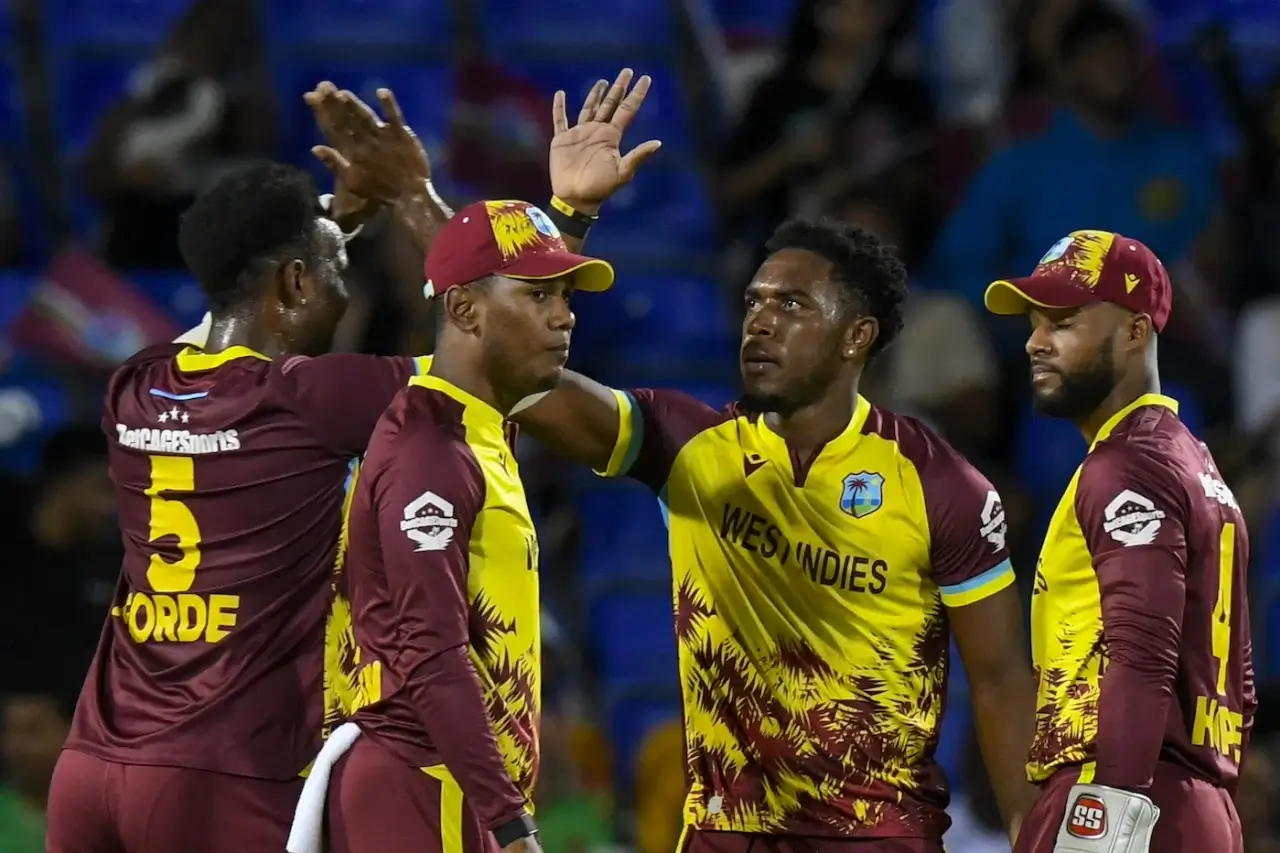
West Indies have taken a measured step toward rebuilding their T20 identity. By recalling experienced players, they signal intent rather than panic. The Afghanistan series offers controlled preparation before bigger tests. Context matters more than results at this stage.
The return of Shamar Joseph and Evin Lewis adds stability to a changing setup. Both players bring familiarity with pressure environments. Their presence also reduces uncertainty in key roles. That balance has been missing recently.
With several senior names unavailable, leadership responsibility shifts naturally. Brandon King steps in with prior captaincy exposure. This series tests his ability to manage transitions.
More importantly, these matches shape West Indies’ T20 World Cup roadmap. Every selection, role, and phase matters now.
Why the Afghanistan Series Matters More Than the Scoreline?
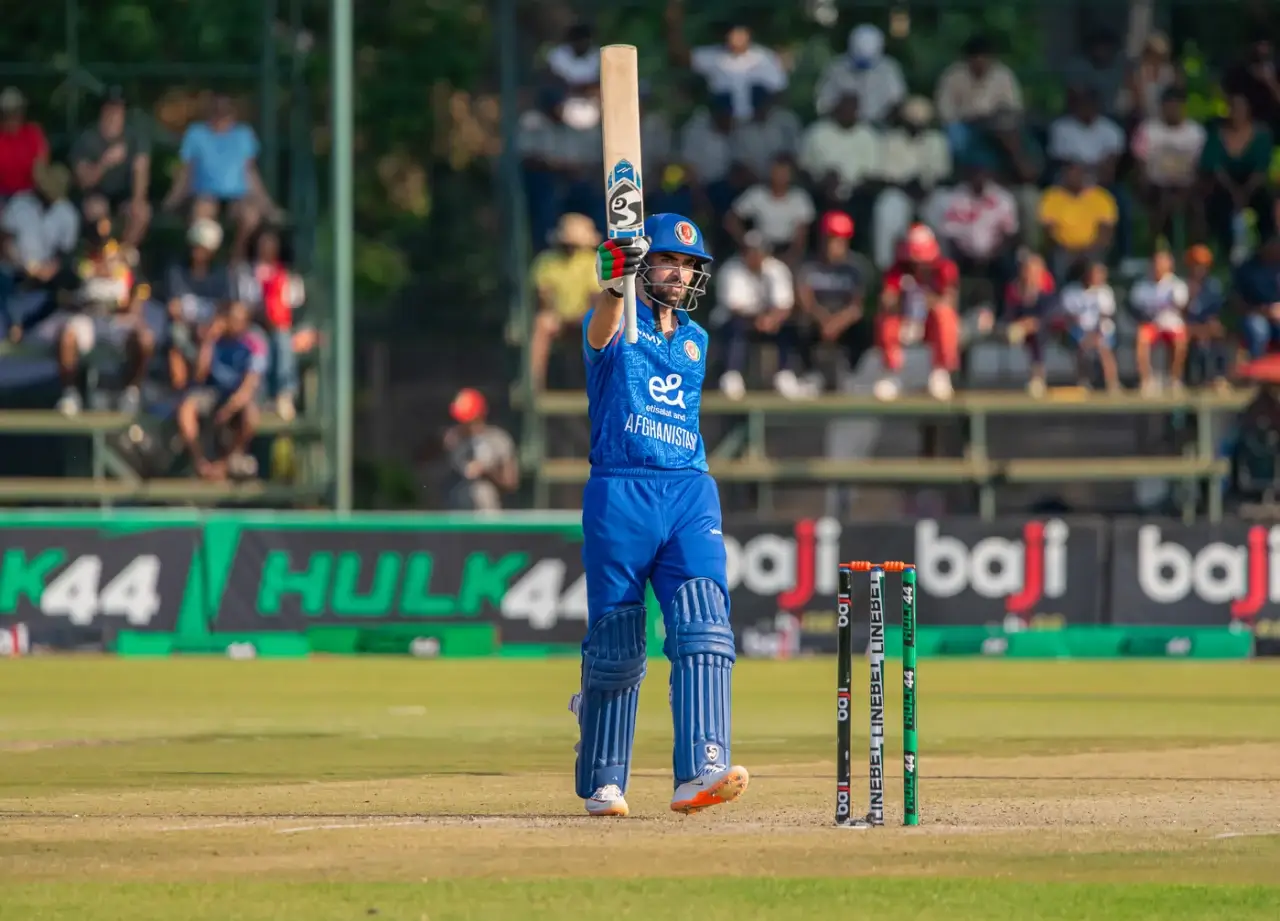
This Afghanistan series is less about winning and more about clarity. West Indies need role definition across all departments. Recent seasons have suffered from constant reshuffling. Stability begins with intent-driven series like this.
Playing in UAE conditions simulates subcontinental challenges effectively. Slower pitches test adaptability and patience. These environments expose technical gaps quickly. That makes them ideal for assessment.
Afghanistan also present a unique tactical challenge. Their bowling attacks are disciplined and spin-heavy. Batting against them demands method rather than muscle. West Indies need to re-learn that balance.
The ICC calendar leaves little room for extended experimentation. Every series before the World Cup carries weight. This one allows controlled testing without excessive spotlight pressure. That makes it strategically valuable beyond results.
Shamar Joseph’s Return and What It Means for West Indies Pace Plans
Shamar Joseph’s recall reflects long-term planning rather than short-term urgency. He has not played competitive cricket since the CPL. Yet, his skill set remains valuable. Raw pace still matters in T20 cricket.
His recent absence was shaped by injury setbacks rather than form decline. Shoulder discomfort delayed his reintegration. Managing that recovery carefully is now essential. This series offers a controlled re-entry.
West Indies have lacked consistent express pace options recently. Shamar’s presence restores that edge. Even limited spells can disrupt batting rhythm. That threat alone changes opposition planning.
If he regains rhythm, selection conversations shift quickly. West Indies need fast bowlers who can break partnerships. Shamar fits that requirement better than most available options.
Evin Lewis and the Importance of Experience at the Top
Evin Lewis returns at a critical moment for West Indies batting. The opening role has lacked continuity. Frequent changes have disrupted early momentum. Experience now becomes valuable again.
Lewis brings familiarity with international powerplays. He understands when to attack and when to absorb pressure. That awareness cannot be coached quickly. It comes from exposure.
While his recent numbers are modest, context matters. Injury interruptions affected rhythm and confidence. The Afghanistan series offers reset conditions. Controlled environments often revive timing.
West Indies need at least one stable opening presence. Lewis offers that possibility. If he settles early, middle-order pressure reduces significantly. That ripple effect improves overall batting balance.
Quentin Sampson’s Call-Up Reflects a Shift in Selection Thinking
Quentin Sampson’s selection represents a clear message. Domestic performance is being rewarded again. His CPL numbers demanded attention. Consistency earned opportunity.
Sampson’s strike rate indicates intent without recklessness. He scored across phases, not just at the death. That adaptability suits modern T20 demands. West Indies need flexible middle-order options.
Introducing him in this series reduces pressure. Expectations remain realistic. That environment supports smoother international transitions. Immediate stardom is not required.
If Sampson adapts well, squad depth improves significantly. West Indies have often relied on familiar names. Broadening that pool is essential for revival.
Leadership Transition Under Brandon King
Leadership changes always test team balance. Brandon King steps in during a transitional phase. That timing brings opportunity and responsibility.
King has previous captaincy exposure. He understands player management basics. This series tests tactical decision-making under neutral conditions. Field placements and bowling rotations matter more here.
Without several senior leaders, communication becomes crucial. King must align inexperienced players quickly. Clear plans reduce confusion. Simplicity often wins in such phases.
Strong leadership here builds credibility for future roles. Even if temporary, this experience strengthens West Indies’ leadership depth. That matters beyond this series.
How This Series Fits West Indies’ T20 World Cup Preparation
Every series before a World Cup shapes selection logic. This Afghanistan tour acts as a filtering mechanism. Players who adapt move ahead. Others fall behind.
UAE conditions mirror expected World Cup challenges. Spinners dominate, margins tighten, patience gets tested. These matches expose weaknesses early. That feedback is valuable.
West Indies must identify reliable combinations quickly. Bowling roles, batting orders, and finishing options need clarity. This series provides that testing ground.
By the time South Africa tour begins, decisions must narrow. Afghanistan series performances influence those calls heavily. Preparation now determines confidence later.
Why This Phase Could Mark a Revival for West Indies Cricket
West Indies cricket needs identity restoration, not reinvention. This squad selection reflects that thinking. Blending experience with fresh faces offers balance.
Workload management also shows maturity. Resting key players avoids burnout. That planning improves long-term performance sustainability.
Clear communication from the coaching group matters. Darren Sammy emphasized preparation and confidence building. That clarity filters into dressing-room mindset.
Revival does not happen instantly. It begins with structured steps like this series. If executed well, West Indies can regain competitive consistency gradually.