

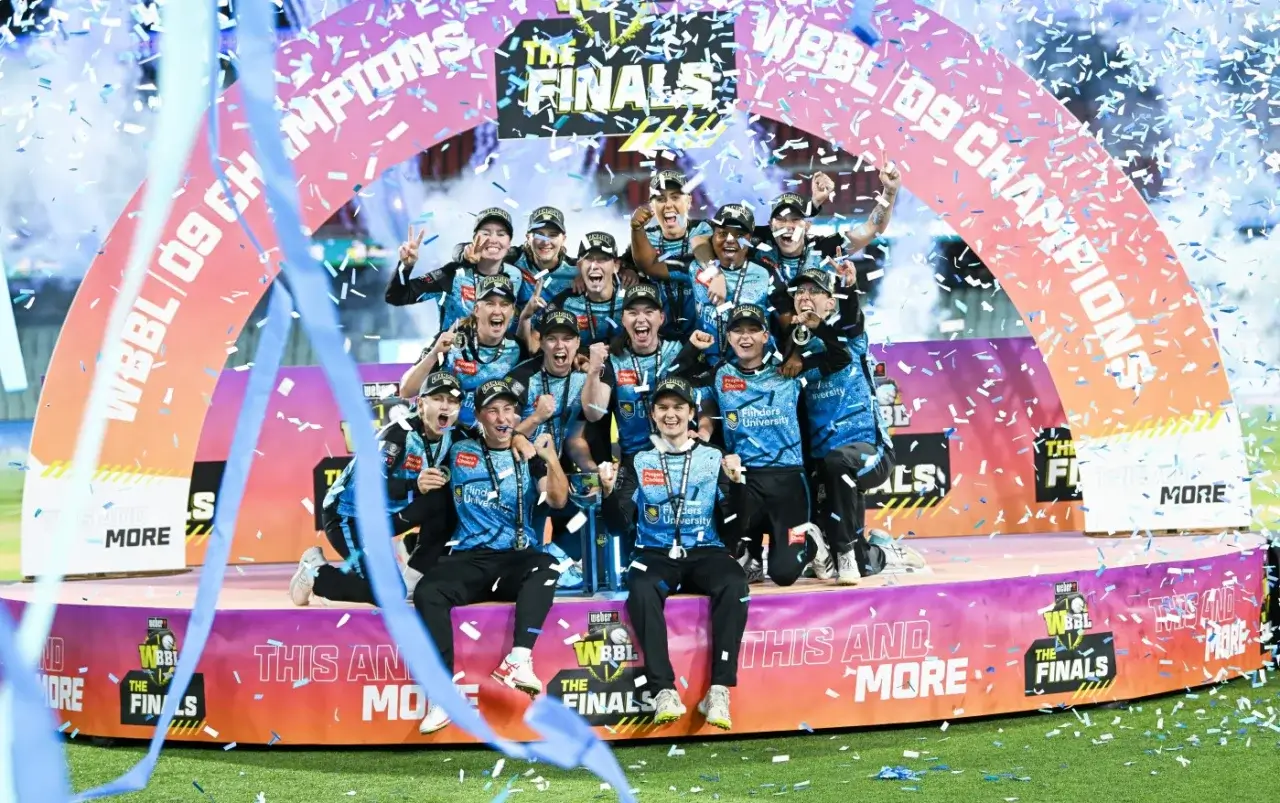
The WBBL 2025-26 season starts just days after the Women’s World Cup finale. It brings with it not just competition but a reset of purpose. For teams, this edition is less about hype and more about development. For players, it’s a chance to cement careers in an ever-tighter cricket calendar.
Australia’s premier women’s T20 league has trimmed its schedule to fit modern demands. Each side now plays ten games before the three-match finals week. That reduction creates higher intensity, less recovery time, and more pressure per game. Mistakes hurt more, but great performances shine brighter.
Last year’s champions Melbourne Renegades defend their title without Hayley Matthews, sidelined after shoulder surgery. Other stars, fresh from World Cup battles, face a test of recovery and rhythm. Meanwhile, rising names like Davina Perrin and Sianna Ginger are waiting to erupt.
Every team looks different, shaped by draft gambles and workload management. The season feels like a bridge — connecting veterans, new stars, and evolving tactics. With international calendars packed, WBBL’s shorter format forces smarter planning. What unfolds from November 9 to December 13 could redefine women’s T20 cricket altogether.
The WBBL’s Shorter Season — Compact, Competitive, and Career-Defining
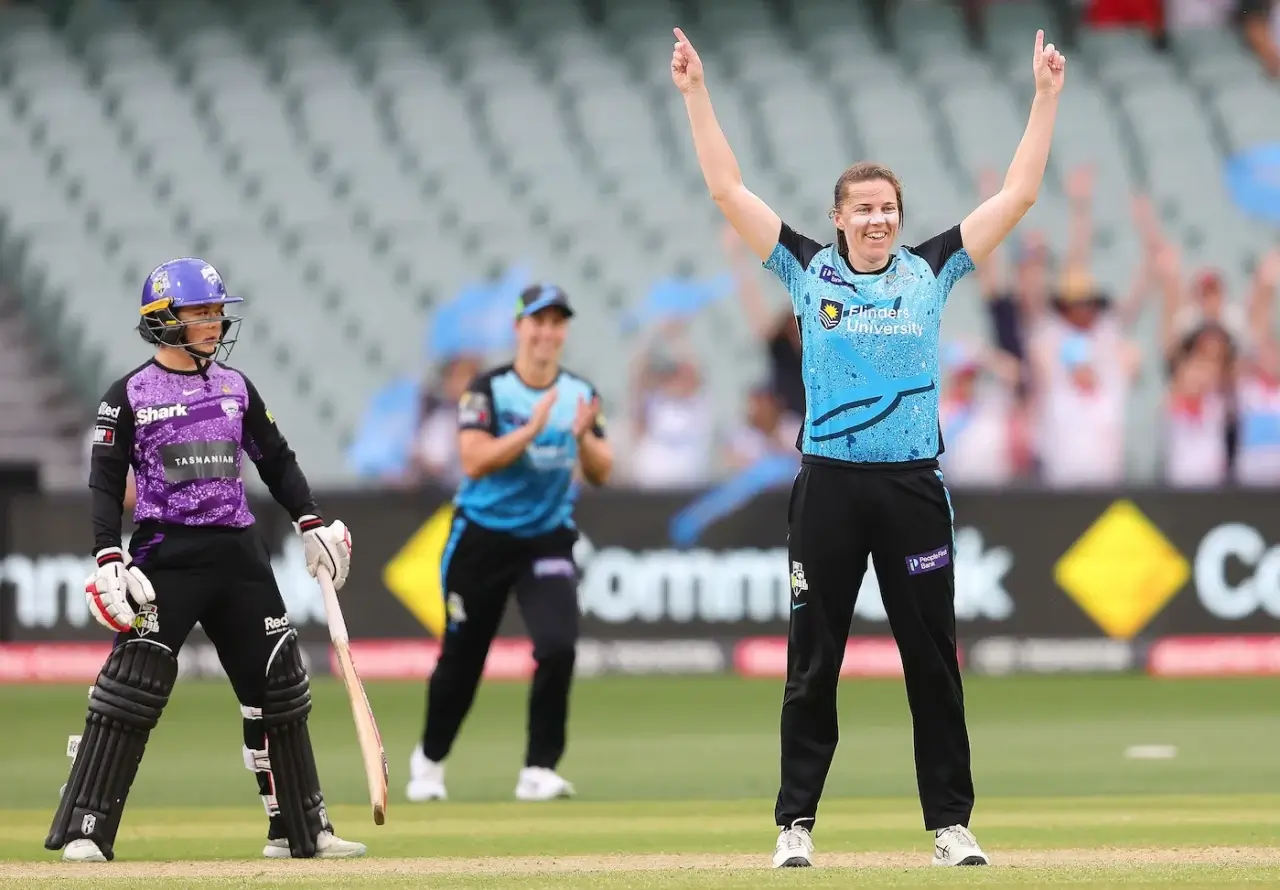
The shorter schedule of WBBL 2025-26 changes how teams think and perform. With only ten league games, every match becomes a statement. A slow start can end playoff hopes before they even build rhythm. For coaches, that means less rotation, tighter strategy, and maximum efficiency from day one.
This structure also benefits emerging players desperate for spotlight. There’s no space for long dips or slow progress anymore. Every inning, every spell, and every catch carries selection weight. National selectors monitor WBBL data closely, looking for composure under heavy schedules.
Franchises like the Adelaide Strikers and Sydney Sixers are building around consistent performers. They prioritize match readiness over marketing hype this season. Even star players like Ellyse Perry and Meg Lanning will manage workloads carefully.
The shorter window also means better television focus, driving fan engagement higher. Viewers prefer condensed schedules with weekly highlights, not long waits between fixtures. That fan behavior fits perfectly with modern broadcast formats. The WBBL’s new structure is not just necessary — it’s built for the era of attention economy.
Draft Decisions That Redraw the League’s Balance
This year’s overseas player draft introduced subtle but defining shifts across franchises. Teams played smart, replacing unavailable stars with adaptable new signings. The Renegades added Alice Capsey and Deandra Dottin to fill the Matthews gap. Both are proven all-rounders capable of impact in tight middle overs.
The Adelaide Strikers chose continuity, re-signing Laura Wolvaardt alongside Sophie Ecclestone. That pair combines calm batting with disciplined spin, ideal for balanced setups. Sydney Thunder turned bold, pairing Chamari Athapaththu with Heather Knight and Shabnim Ismail. They might become this year’s most unpredictable unit.
The Hobart Hurricanes and Melbourne Stars focused on flexibility instead of raw firepower. With Nat Sciver-Brunt and Marizanne Kapp as pre-signs, they cover multiple roles. Meanwhile, the Brisbane Heat backed young allrounder depth after adding Jemimah Rodrigues.
The draft didn’t just change names; it changed tactical blueprints. Captains now lead more hybrid teams, capable of adapting to different match tempos. For fans, this means diverse contests — one day dominated by power, the next by spin control.
How Overseas Picks Shape Team Identities?
Every overseas signing adds a strategic layer to the franchise identity. Bowlers like Ecclestone bring reliability, while hitters like Capsey create disruption. Captains use these assets to design tailored match plans against specific oppositions.
Teams are now mixing veterans with explosive youth to build multi-dimensional squads. Overseas pros also serve as role models for domestic youngsters in pressure games. Their tactical awareness, built across leagues worldwide, accelerates local player learning.
In WBBL 2025-26, the most successful sides will not just pick the best — they’ll build the smartest combinations.
Tactical Adjustments — How Teams Are Playing Smarter Cricket
This season highlights a strategic shift from brute aggression to smarter management. Shorter seasons demand teams control tempo and conserve energy wisely. Captains balance early acceleration with longer partnerships in the middle overs. Fielding standards, too, are sharper with stricter over-rate penalties this year.
Many teams are adopting floating batting orders for matchup flexibility. Sydney Sixers may use Gardner as a pinch-hitter depending on field restrictions. Bowlers like King and Molineux will target specific batters with defensive plans.
Analytics now influence every decision — from bowling angles to death-over matchups. Video teams analyze powerplay data to decide when to attack or hold back. Smart teams like the Strikers thrive on controlled aggression built on clear data patterns.
Expect to see captains challenge traditions. The old formula of “set totals, defend big” is gone. This WBBL rewards adaptability — and penalizes predictability.
In-Game Speed Rules — Why The Timer Changes Matter
The new countdown timer rule adds pressure to both fielding sides and captains. If teams fail to start overs on time, they lose fielding freedom. This instantly tests fitness, communication, and leadership under stress.
For fans, it adds urgency and rhythm to every inning. For players, it enforces modern professionalism. The best-organized teams — often led by experienced captains — will benefit. Expect fewer slow overs and faster, more engaging T20 cricket this season.
Breakout Players Who Could Redefine This Season
This year’s WBBL introduces several emerging stars ready to explode. Davina Perrin, only 19, brings power hitting and confidence from The Hundred. Sianna Ginger’s rise from Australia A showcases allround balance and maturity. Tess Flintoff has much to prove after earning an early central contract.
Laura Wolvaardt enters this WBBL as the most complete batter in world cricket. Her calmness under pressure and consistency could anchor Strikers’ campaign. Meanwhile, Sophia Dunkley and Amelia Kerr give Sixers rare versatility.
Expect a breakout bowler from the Hurricanes camp, perhaps Linsey Smith or Molly Strano. In T20s, spinners who control pace dictate match momentum. This season, new names may emerge as heroes through clever execution and clarity. These young players reflect where women’s cricket is heading — faster, smarter, global.
Venues, Broadcasting, And Fan Strategy — A Digital Revolution
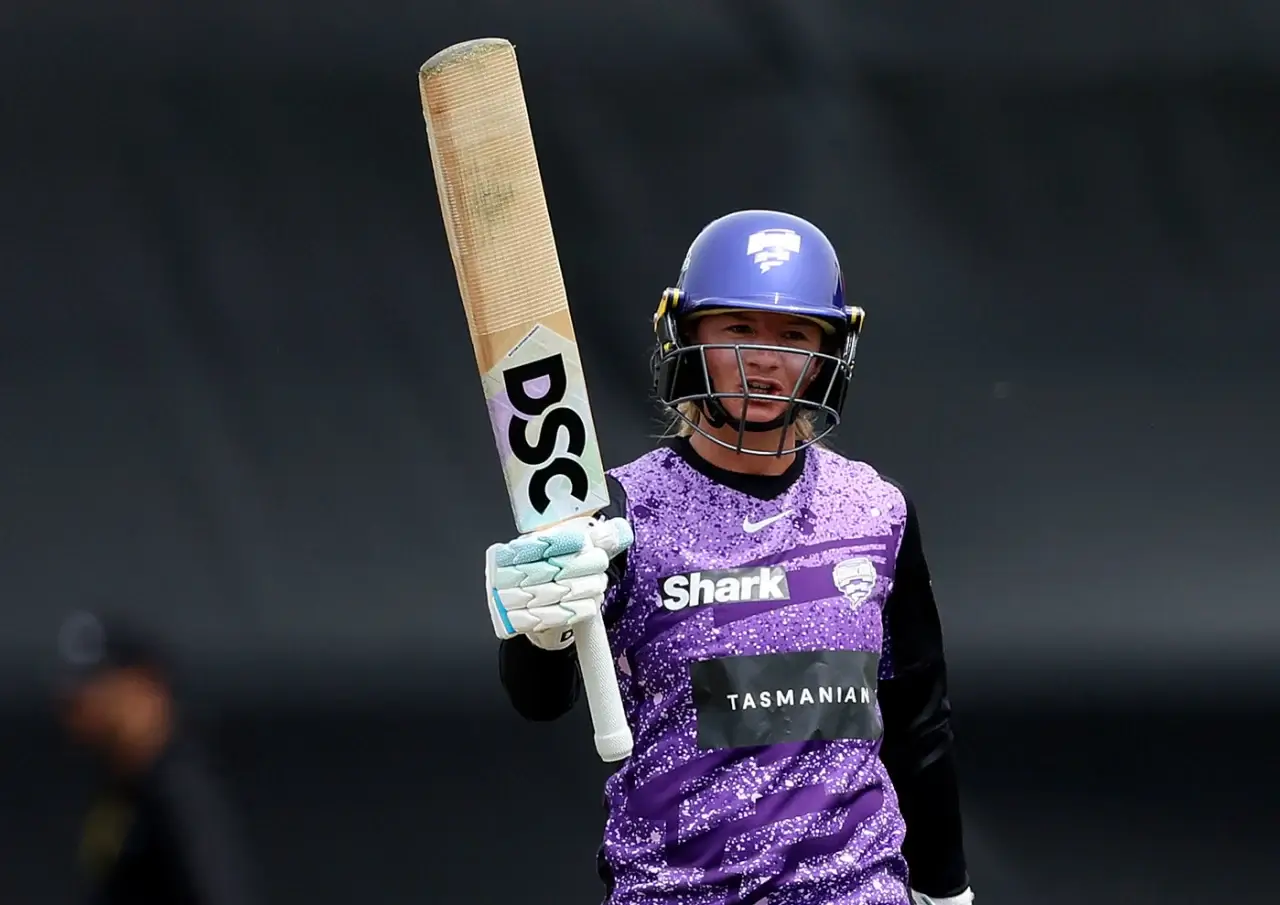
The WBBL Stadium Series is on pause, but the fan experience isn’t slowing down. Instead, franchises are using digital storytelling to connect with younger audiences. Clubs promote player vlogs, behind-the-scenes reels, and fan polls daily.
With fewer large venues in use, online engagement has become a revenue core. Teams now view social reach as equal to ticket sales. Smaller grounds, like Junction Oval and North Sydney Oval, amplify the intimacy of fan experiences.
The league’s condensed format creates higher social media engagement peaks. Fans can binge matches over consecutive weekends without fatigue. Streaming partners will feature enhanced highlights and AI-based replays for interaction.
The WBBL’s fan strategy reflects its players — modern, adaptive, and fiercely competitive.
Digital Influence — How Players Are Building Brands Beyond Cricket
Players like Ellyse Perry and Sophie Molineux blend cricketing excellence with content value. Their online followings now amplify league visibility across global platforms. Franchises support players’ social content as part of marketing contracts.
This synergy benefits both — players grow brands, while teams attract broader audiences. It’s no longer just about scores; it’s about presence, identity, and storytelling.
Conclusion
The WBBL 2025-26 season stands as a crossroad between evolution and tradition. It’s shorter, sharper, and smarter — built to serve both sport and spectacle. Each over carries more tactical meaning than ever before. Each player, whether rookie or star, fights for impact within limited space.
The draft’s global diversity, player workload science, and faster game rules mark a new era. This edition pushes Australian domestic cricket closer to a world-class benchmark. Franchises balance development with commercial thinking, blending purpose with performance.
Fans can expect unpredictability — last-ball finishes, tactical experiments, and bold decisions. By the time December arrives, WBBL 2025-26 may redefine what a successful women’s league looks like. It’s more than cricket; it’s the blueprint of the future.