

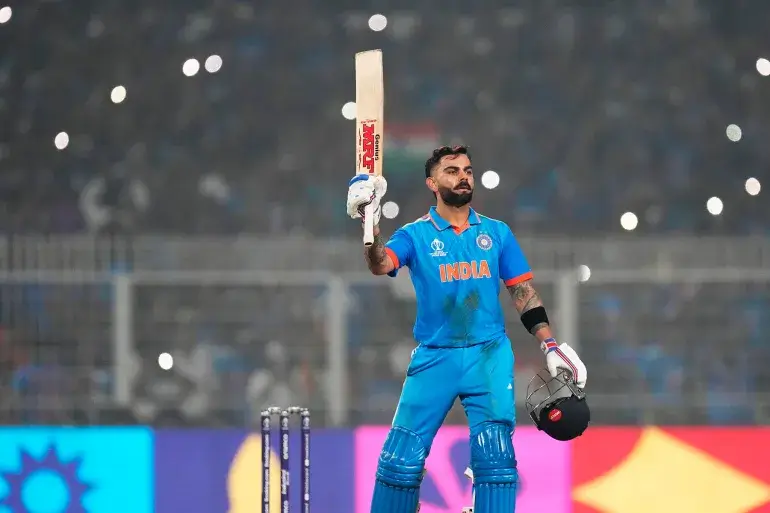
India’s ODI batting rhythm has changed with Virat Kohli embracing a freer approach. He no longer waits for control to arrive naturally. Instead, he creates dominance early through intent. This shift is not emotional or impulsive. It is calculated, experience-driven, and deeply intentional. Kohli now trusts timing, match awareness, and teammates more than ever before. His batting reflects confidence built over the years, not desperation. The result is a version that looks lighter, sharper, and more expressive. This evolution is about choice.
Kohli has chosen aggression when conditions allow it. He has also chosen acceptance of risk. That balance defines this phase. It feels like a senior batter finally playing without invisible pressure. The innings now breathe more freely. India benefits from quicker momentum. Opponents lose early control. Kohli still anchors when needed. But he now attacks without hesitation. This freedom has reshaped how India starts and controls ODI innings.
Table of Contents
ToggleEarly Intent Over Early Caution
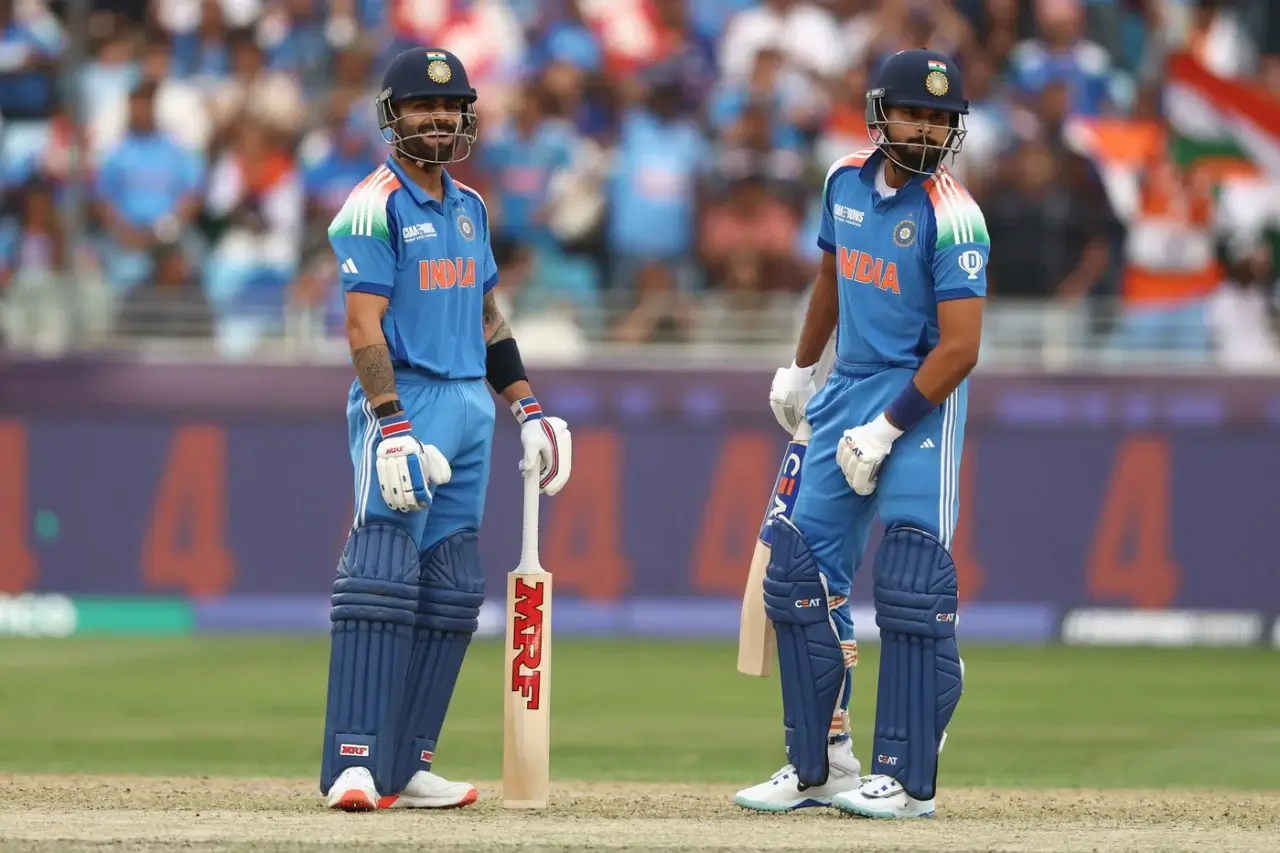
Kohli’s early-innings mindset has undergone significant changes in recent ODIs. He no longer uses the first ten balls purely for assessment. Instead, he looks to assert control immediately against major teams. Bowlers are forced to defend lengths earlier than planned. This disrupts fields and matchups quickly. Kohli’s intent does not mean wild hitting. It means decisive footwork and clear shot selection. By attacking early, he removes uncertainty from his own game.
This clarity benefits the non-striker as well. Partnerships settle faster. Pressure shifts onto the bowling side. Early boundaries also reduce scoreboard anxiety later. Kohli understands that modern ODIs reward initiative. With flatter pitches and shorter boundaries, waiting too long invites containment. His new approach embraces this reality. It shows a batter confident enough to shape the innings from the start. Early intent has become a statement, not a gamble.
Technique Still Anchors the Freedom
Despite the aggressive shift, Kohli’s technique remains his greatest safeguard. His base stays strong and balanced at the crease. Head position remains stable through contact. This allows him to play attacking shots without losing control. The freedom comes from trust in fundamentals. Kohli knows his alignment and timing are reliable. That confidence reduces fear of dismissal. Even when playing lofted shots, his body remains aligned.
This technical stability separates intent from recklessness. Bowlers cannot rely on mistakes caused by imbalance. Kohli’s bat still meets the ball late and cleanly. His wrists still control placement. This blend of sound technique and attacking intent makes him hard to contain. It also allows consistency across conditions. Whether against pace or spin, the foundation holds. Technique ensures that freedom enhances output, not risk.
Powerplay as a Scoring Phase
Kohli now treats the powerplay as an opportunity rather than a hurdle. Earlier, his focus was preservation. Now, it is exploitation. With only two fielders outside the circle, he looks to score decisively. Gaps are targeted with intent. Bowlers cannot settle into defensive lines. Early sixes force captains to rethink plans. This proactive approach lifts India’s run rate without chaos. Kohli still values wickets, but not at the cost of momentum.
By scoring faster in the power play, India gains flexibility later. Middle overs no longer carry scoreboard pressure. This approach also benefits opening batters and partners. The field spreads earlier than planned. Spinners enter under pressure. Kohli understands modern ODI math. Early runs are often easier than late ones. Using the power play aggressively maximises that advantage.
Middle-Overs Acceleration
Over 30 to 40 have become a focus area for Kohli. Traditionally, these overs were about rotation and consolidation. Now, they are about controlled acceleration. Kohli targets this phase before the defensive fields are fully settled. The ball is still hard. Boundaries are still available. He uses this window to break containment. Singles turn into twos. Twos turn into boundaries.
This acceleration disrupts bowling rhythm. Captains struggle to hold fields. Bowlers lose margin for error. Kohli’s experience guides this surge. He chooses moments carefully. This is not blind aggression. It is situational dominance. By accelerating here, India sets up explosive finishes. Even if wickets fall later, the base is strong. Kohli’s mastery of this phase reflects deep match awareness built over the years.
Trust in Team-Mates
One of the biggest shifts in Kohli’s batting is emotional, not technical. He no longer carries the burden of finishing every innings alone. There is visible trust in teammates. This allows him to take risks earlier. If he gets out, he trusts others to step up. This mindset reduces pressure on his own game. It also empowers the rest of the lineup. When senior players show trust, dressing rooms respond.
Kohli’s acceptance of dismissal as part of impact batting is crucial. It signals confidence in the team’s depth. This trust changes how innings flow. Partnerships feel lighter. Players play their natural games. Kohli’s leadership now reflects belief rather than control. That belief fuels collective performance.
Chasing Versus Setting Targets
Kohli still differentiates between chasing and batting first. While chasing, control remains important. He reads required rates carefully. Risk is adjusted accordingly. However, even in chases, early intent is visible. When batting first, full freedom emerges. Kohli understands scoreboard dynamics deeply.
Setting targets allows greater expression. There is room to explore limits. While chasing demands calculation, batting first rewards boldness. Kohli balances both modes expertly. This adaptability is key to his longevity. He has not abandoned situational awareness. He has refined it. The aggression is calibrated. The intelligence remains intact. This balance keeps him effective across scenarios.
This phase of Kohli’s career feels exploratory. It is about discovering the upper limits of his game. With achievements already secured, fear has reduced. Curiosity has grown. Kohli appears intent on playing without internal constraints. This does not mean recklessness. It means honest expression.
He is testing what his batting can still become. This exploration adds freshness to his game. It also inspires younger players. They see a legend still evolving. This mindset ensures relevance. It keeps Kohli dangerous. In the final stretch of his career, he is not winding down. He is opening up. That makes this version compelling, effective, and deeply enjoyable.