Indian storytelling has always gravitated toward the tragic hero. From cinema to poetry to music, suffering has long been romanticised as proof of greatness. Pain was not just endured; it was celebrated. Cricket followed the same emotional grammar. Lone warriors, brave defeats, and heroic failures became part of the collective memory. The image of a gifted individual fighting alone against impossible odds was elevated into something sacred. Indian fans learned to admire heartbreak almost as much as triumph.
Yet Virat Kohli never belonged to this tradition to maintain the timeline. He does not wear suffering as a badge of honour. He does not seek sympathy through silence or dramatic exits. His cricket refuses helplessness. Even in defeat, there is resistance. Even in loss, there is assertion. Kohli’s personality does not allow surrender to narrative inevitability.
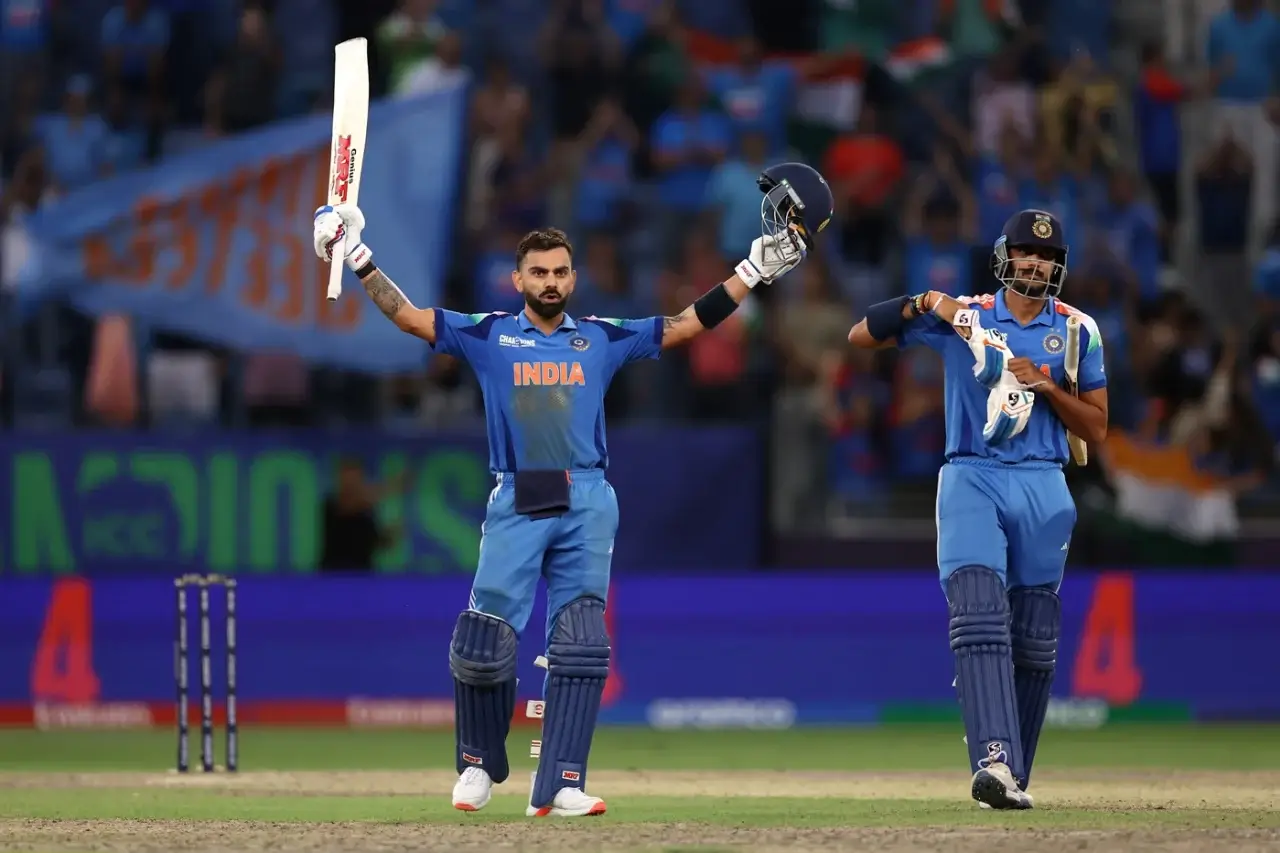
That is why his innings in Indore felt different. Everything was set up for tragedy: a steep chase, collapsing support, mounting pressure, and a lone figure standing tall. But the innings rejected poetic misery. Kohli never allowed the story to drift into sorrow. His body language, intent, and control kept the match alive long after logic suggested otherwise.
Indian cricket has evolved from worshipping pain to valuing authority. Kohli embodies that shift. His greatness lies not in enduring defeat, but in constantly challenging it—even when defeat finally arrives.
Table of Contents
ToggleFrom Tendulkar’s Loneliness to Kohli’s Authority
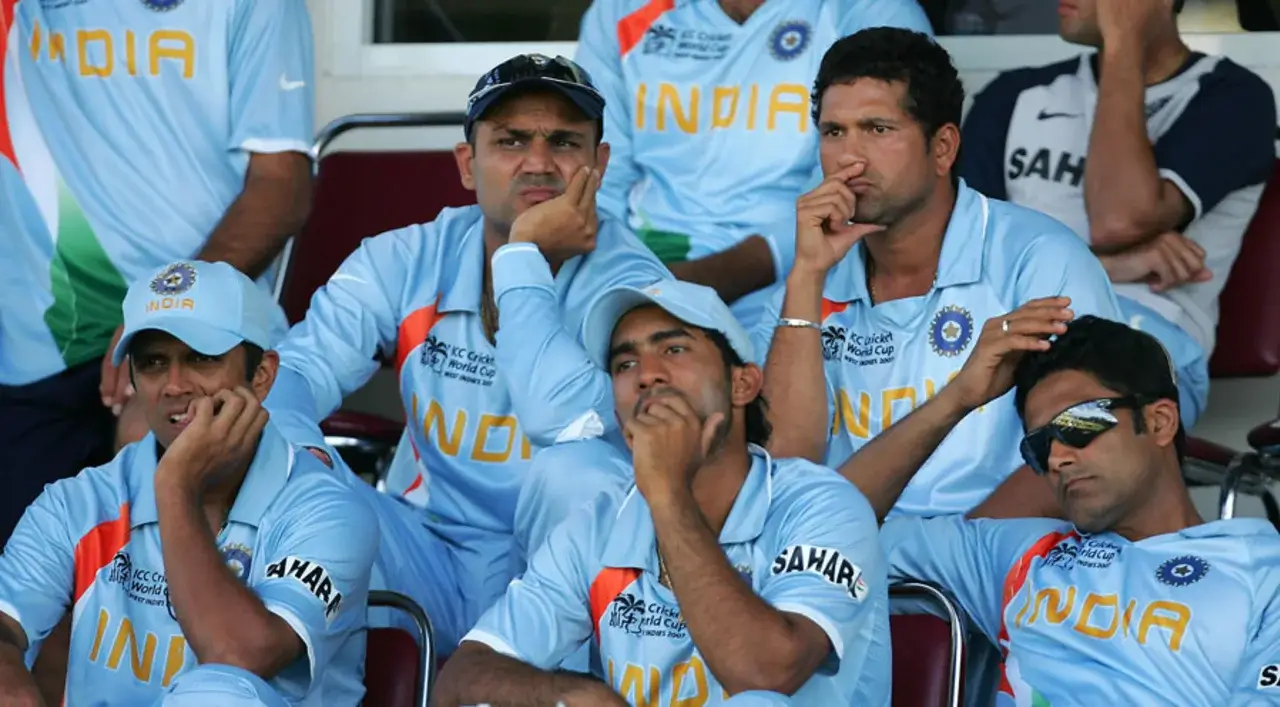
Sachin Tendulkar carried Indian cricket through periods when support was thin and expectations immense. Many of his greatest innings were solitary struggles, played with fragile line-ups and limited safety nets. That isolation shaped how fans understood heroism. Brilliance became synonymous with endurance. Greatness meant staying while everything around you fell apart.
Kohli grew up in a different India. He played in stronger teams, with deeper batting orders and greater collective confidence. This changed the nature of responsibility. His role was not survival but domination. Not delaying defeat, but enforcing victory before desperation arrived.
The Indore ODI briefly pushed him into unfamiliar territory. With wickets tumbling and depth exposed, he faced a scenario closer to Tendulkar’s reality. Yet his response was distinctly modern. He did not retreat into caution or nostalgia. He adapted without fear, maintaining tempo while managing risk.
This contrast defines Kohli’s era. His legacy of chasing is built on control rather than miracles. He wins before chaos demands heroics. In Indore, chaos still arrived—but Kohli met it head-on. The innings reminded everyone that while comparisons are inevitable, greatness is shaped by context, not imitation.
A Chase Loaded With Pressure and Historical Weight
The Indore chase carried unusual weight. A target of 338 in a series decider. New Zealand on the brink of a rare ODI series win in India. Early wickets stripping away comfort and certainty. For most batters, this kind of situation triggers survival instincts. For Kohli, it triggered clarity.
From the moment he arrived, the intent was balanced. There was no reckless aggression, but no retreat into passive accumulation either. He rotated strike early, absorbed pressure, and still found boundaries without forcing shots. The chase remained alive because Kohli refused to let it stagnate.
Context elevated the innings further. India lacked the batting depth they had relied on for years. Every misjudgment threatened collapse. Kohli recognised this immediately and adjusted. He slowed when required, accelerated when openings appeared, and constantly recalculated risk versus reward.
This was not desperation batting. It was calculated persistence. The scoreboard pressure never overwhelmed him. Instead, it sharpened his method. That ability to think clearly under extreme stress separated this innings from routine centuries. It was leadership expressed not through words, but through batting intelligence.
The Evolution of Kohli’s Batting Intent
Kohli’s batting evolution has been subtle yet decisive. The accumulator of his early years has merged with a freer, more expressive version. In Indore, both identities coexisted seamlessly. He dabbed singles early, manipulated gaps, and then struck sixes without hesitation. The blend kept bowlers uncertain and fields constantly shifting.
One statistic captured this transformation clearly. Kohli has hit more early sixes in recent innings than he did across entire seasons previously. This is not recklessness. It is confidence rooted in mastery. He attacks early because he trusts his defence and shot selection.
Against New Zealand, this balance proved vital. Early intent prevented pressure from building. Later restraint ensured longevity. Even when wickets fell around him and he was forced to rein himself in, he never lost scoring options. The chase remained within his grasp.
This version of Kohli is harder to contain. He no longer waits for dominance to arrive naturally. He asserts it selectively. Indore showcased a batter who understands tempo better than anyone else in the modern game.
Batting With the Tail and Managing Young Partners
As the innings progressed, Kohli found himself batting with inexperienced partners. This was perhaps the most unfamiliar challenge of the chase. Yet his response revealed growth beyond technique. He guided without suffocating. Encouraged without intimidating.
He farmed strike intelligently but never denied confidence to his partners. When young batters turned down runs or made hesitant decisions, there was no visible frustration. This was a calmer Kohli, shaped by time and self-awareness. The partnerships with Nitish Kumar Reddy and Harshit Rana were built on trust rather than authority.
Kohli adjusted his shot selection to shield them. He absorbed pressure so they could play freely. This mentoring within a high-stakes chase elevated the innings further. It was leadership unfolding organically.
For a brief stretch, India genuinely threatened victory. The crowd sensed it. New Zealand felt it. That belief did not come from hope alone—it came from Kohli’s presence. His calm conviction convinced everyone that the impossible was still negotiable.
The Moment That Almost Became a Miracle
When the asking rate dropped below ten an over, the impossible began to feel possible. Kohli had dismantled Jamieson. He had dragged the equation back from the edge. The crowd roared as momentum shifted palpably.
Then came the turning point. Two quick wickets. The tail exposed. Kohli alone against the chase. This was the moment history seemed prepared to hand him the miracle innings that had long been missing from his chasing résumé.
He responded by farming the strike. Boundaries followed. Every shot was controlled. Even at full stretch, balance and shape remained intact. It was relentless, intelligent pressure.
And then, the first real error. A boundary attempt mistimed. Caught at long-off. Silence followed—but not sorrow. Kohli had gone deeper into a lost chase than ever before, yet he walked off without drama. The miracle didn’t arrive, but the mastery had already been delivered.
Why This Innings Was Masterful Despite Defeat?
Scorecards will record this as a losing century. History, however, will remember control. Kohli faced over a hundred balls with remarkably few false shots. He dictated terms in a chase that constantly threatened collapse.
What made it masterful was restraint. He did not chase personal milestones or dramatic glory. He chased possibility. Even defeat came on his terms, not through desperation.
This was cricket stripped of romance and reduced to fundamentals: skill, discipline, and belief. Kohli did not dramatise the moment. He accepted the outcome and moved forward. That acceptance is not indifference. It is strength. It is the difference between tragedy and greatness.
Body Language That Defines Kohli’s Legacy
After dismissal, there was no slow walk. No bowed head. No lingering gaze toward the pitch. Soon enough, Kohli was laughing, joking, checking his phone. Life moved on.
This is Kohli’s essence. He competes with ferocity, but he does not live in defeat. Cricket, for him, is a contest—not a burden. This emotional resilience explains his longevity across formats and eras.
Those expecting visible sorrow missed the point. Kohli had already processed the loss.
The Indore ODI did not give Kohli the miracle innings some had long anticipated. It gave something more meaningful. It showed a champion who refuses to be tragic.
In a cricket culture once obsessed with lonely suffering, Kohli represents authority, joy, and defiance. His greatness lies in rejecting helplessness.
This innings will age well. Not because India lost—but because Kohli showed how greatness survives defeat without becoming it.