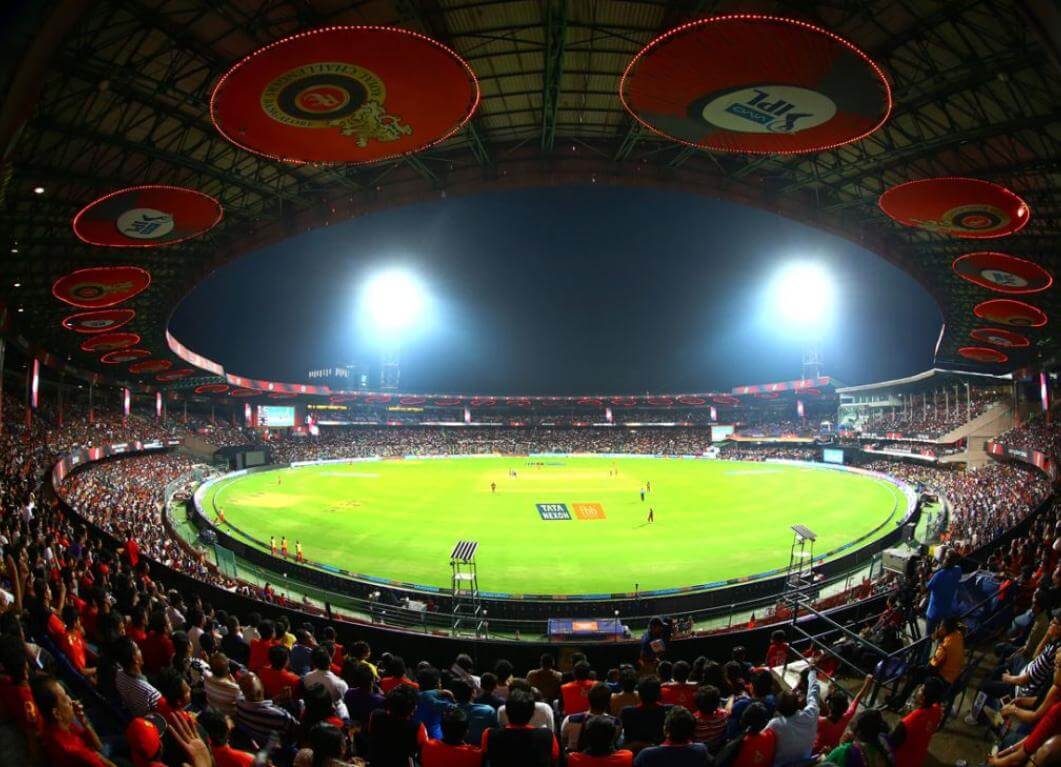
Virat Kohli could soon return to the M Chinnaswamy Stadium in Bengaluru. The Karnataka government has granted permission for cricket matches to be held at the venue. This approval came shortly after Venkatesh Prasad took charge as KSCA president. The decision brings the stadium back into active consideration by the BCCI.
Kohli is expected to play for Delhi in the upcoming Vijay Hazare Trophy. Matches involving Delhi may shift from Alur due to logistical and security concerns. Rishabh Pant is also part of the extended Delhi squad. Both players could be available for the opening fixtures.
Senior KSCA officials recently met top Karnataka government leaders in Belagavi. Discussions focused on safety planning and phased implementation of reforms. Authorities reportedly responded positively to the proposed crowd management measures. Limited spectators may be allowed due to high public interest.
The stadium has not hosted top-level cricket since the tragic June stampede incident. That event halted IPL matches and several international fixtures. Domestic cricket is now viewed as a careful and controlled restart. This move may gradually restore Bengaluru’s place on the cricket calendar.
Why Chinnaswamy’s Return Matters for Indian Cricket?
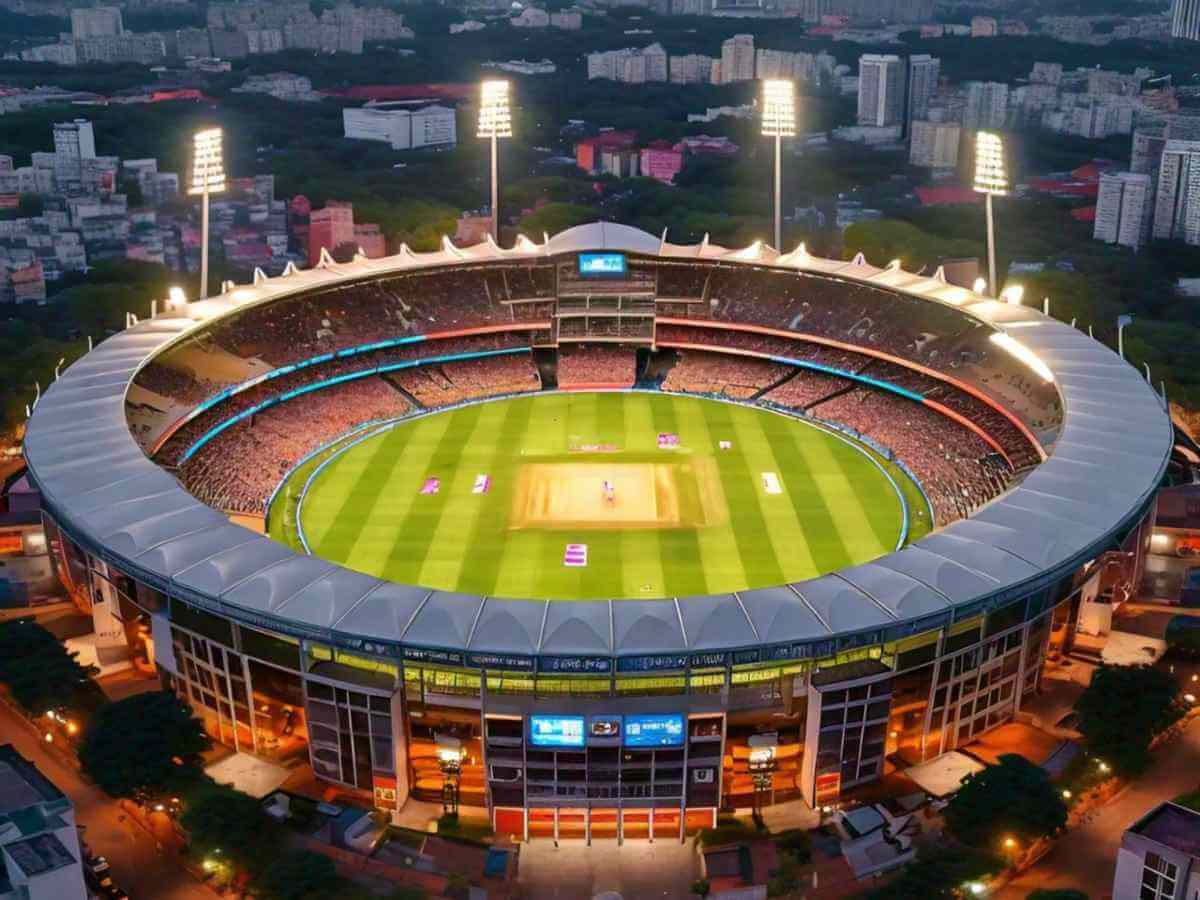
The M Chinnaswamy Stadium holds strong emotional value for Indian cricket fans. It has hosted iconic matches across Test, ODI, T20I, and IPL seasons. Players often describe the venue as intense due to the close proximity of the crowd. Its return carries symbolic importance for the sport.
From an administrative perspective, the stadium remains strategically important. It generates strong revenue through ticket sales and commercial partnerships. Broadcasters prefer venues with proven fan engagement and atmosphere. This makes Chinnaswamy a priority for national scheduling.
The KSCA’s renewed focus is firmly on safety and compliance. The Justice Michael D’Cunha report guides several recommended changes. Authorities want visible progress before allowing full-capacity events. Domestic tournaments allow controlled testing of new systems.
Virat Kohli’s return here sends a strong confidence signal. It reflects trust in updated safety and operational plans. Players regain familiarity with conditions they are familiar with. Venue stability benefits Indian cricket’s long-term planning.
How Venue Stability Shapes Team Preparation?
Stable venues help teams plan training schedules more effectively. Players understand bounce, boundaries, and scoring areas through repeated exposure to these concepts. This familiarity reduces the time required for adjustment during competitive matches. Consistency often leads to better performance outcomes.
Support staff can design sessions that match real-world conditions. Young players develop situational awareness more quickly in familiar surroundings. Confidence improves when uncertainty around venues is reduced. Venue stability supports long-term performance planning.
What Is the Role of Domestic Leagues in Player Performances?
Domestic leagues form the backbone of India’s cricket development system. They provide competitive exposure beyond controlled practice sessions. Players face real match pressure on a regular basis. This sharpens both skill execution and mental resilience.
The Vijay Hazare Trophy tests players in the fifty-over format. It demands patience, game awareness, and sustained concentration. Performances here still significantly influence selection discussions. Selectors track form across different venues and opponents.
Senior players instantly raise competition standards across teams. Bowlers plan harder and execute better against experienced batters. Fielding units remain sharper under increased pressure. Overall match quality improves significantly.
Domestic performance data remains highly relevant for evaluations. It reflects consistency, adaptability, and temperament over time. This keeps domestic cricket competitive and meaningful. Accountability stays high for every participant.
Practice sessions lack real consequences and unpredictable scenarios. Domestic matches introduce pressure that training cannot replicate. Players learn recovery skills after failures during games. Mental strength develops naturally through repeated competition.
What Is the Role of Local Leagues in Nurturing Talent and Motivation?
Local leagues serve as the first structured step for aspiring cricketers. They bridge the gap between club cricket and national tournaments. Players gain professional exposure at an early stage of their careers. This accelerates technical and mental development.
State-run leagues offer visibility and credibility in selection. Consistent performances attract attention from selectors and franchises. Facilities and coaching standards improve through organized competition. This strengthens the overall talent pipeline.
Sharing dressing rooms with senior players boosts motivation levels. Young cricketers closely observe routines, discipline, and preparation habits. Learning becomes practical instead of theoretical. Confidence grows through direct exposure.
Local leagues also sustain regional cricket culture. Fans form a deep connection with homegrown players and teams. This support fuels ambition and responsibility. The system benefits long-term player development.
Recognition at the local level significantly boosts self-confidence. Players feel valued within the professional structure. Motivation remains steady even during setbacks. Local success often precedes national opportunities.
What Motivates Younger Talents When Players Like Kohli Participate?
Virat Kohli’s presence instantly raises team environment standards. Training intensity increases without external enforcement. Young players observe elite professionalism on a daily basis. Expectations rise naturally across squads.
Facing Kohli tests mental strength and execution skills. Bowlers learn discipline while executing plans under pressure. Batters understand the importance of patience and shot selection. These lessons remain valuable throughout careers.
Kohli’s fitness habits set clear and visible benchmarks, even by IPL standards for the RCB. Players see discipline producing consistent results. Motivation becomes internal and sustainable over time. Aspirations feel realistic and achievable.
Crowd attention also increases with the participation of stars. Strong performances receive wider recognition and coverage. Domestic excellence gains proper visibility. This keeps younger players driven and focused.
How Is the Vijay Hazare Trophy Different This Time?
This Vijay Hazare Trophy edition carries added attention due to venue changes. Chinnaswamy hosting matches marks a symbolic restart. Security planning remains under constant observation. Limited crowds add operational challenges.
Star participation increases the tournament’s overall visibility. Selectors and analysts will closely monitor performances. Matches are expected to carry higher intensity levels. Pressure may resemble international fixtures.
KSCA reforms will be tested during live match operations. Crowd flow and safety systems hold critical importance. Success could accelerate approval for IPL hosting. Failure may delay future opportunities.
Players understand the stakes clearly this season. Each match carries extra scrutiny and responsibility. Accountability increases across teams. Competition becomes sharper overall.
How Have Local Players Benefited From the League System?
Local players gain consistent competitive exposure through domestic leagues. They face varied opposition across different pitch conditions. Adaptability improves with repeated match experience. Game awareness develops steadily.
Financial stability improves through match fees and contracts. Players can invest more in fitness and training. Focus remains on performance development. Dropout rates have reduced significantly.
Leagues also open pathways to IPL scouting networks. Strong domestic performances attract franchise interest. Career progression becomes realistic for many players. Retention within the system improves.
Mentorship further enhances learning opportunities. Senior players guide juniors informally during tournaments. Knowledge transfer raises overall standards. The structure supports sustainable growth.
Conclusion
The possible return of cricket to Chinnaswamy marks an important transition phase. Government clearance and KSCA reforms reopened crucial pathways. Domestic cricket now leads the revival process. Safety remains the primary focus.
Virat Kohli’s involvement adds confidence and credibility. His presence motivates players across age groups. Young talents gain rare learning opportunities. Competitive standards rise naturally.
The Vijay Hazare Trophy becomes more than a domestic tournament. It acts as a testing ground for systems and structures. Success could secure IPL 2026 matches in Bengaluru. Failure may slow future plans.
Domestic and local leagues remain Indian cricket’s foundation. They nurture talent and sustain competitiveness. With proper governance, progress remains steady. Chinnaswamy’s return could signal a renewal done correctly.