The league stage of the Vijay Hazare Trophy 2025–26 concluded after seven demanding rounds that tested depth, consistency, and temperament. Karnataka, Madhya Pradesh, Uttar Pradesh, Vidarbha, Punjab, Mumbai, Delhi, and Saurashtra emerged as the eight quarter-finalists. The final round brought sharp contrasts. Some teams sealed qualification with authority, while others survived narrow margins and net run rate calculations. Several matches became decisive shootouts, shaping standings until the final overs. Unexpected collapses, dominant chases, and individual brilliance defined the day.
The tournament once again underlined the strength of India’s domestic structure. Senior internationals influenced results, but emerging players repeatedly stole the spotlight. Pressure moments revealed character and flaws in equal measure. As the league phase ended, momentum began to matter as much as points. Teams entering the knockouts with confidence now hold a psychological edge. The final round reinforced a familiar lesson of List A cricket: no target is truly safe, and no qualification is guaranteed until the last wicket falls.
Table of Contents
ToggleDelhi Quicks Rip Through Haryana to Seal Qualification
Delhi left no room for doubt in a high-pressure Group D contest. On a cold Bengaluru morning, their fast bowlers produced a ruthless display. Ishant Sharma set the tone with a stunning opening spell. His figures of 5-1-7-3 included three ducks and shattered Haryana’s top order instantly. Navdeep Saini and Prince Yadav followed up with equal intensity, claiming three wickets each. Haryana collapsed to 105 in just 25.4 overs, never recovering from the early blows.
The chase reflected Delhi’s intent. Nitish Rana ensured there were no hiccups, smashing an unbeaten 57 off 39 balls. Delhi reached the target in just 13.3 overs, winning by nine wickets with 219 balls to spare. The margin of victory highlighted Delhi’s bowling depth and clarity under pressure. More importantly, it erased any qualification uncertainty and sent a strong message ahead of the knockout stage.
Mumbai Lose the Unlosable in Stunning Punjab Finish
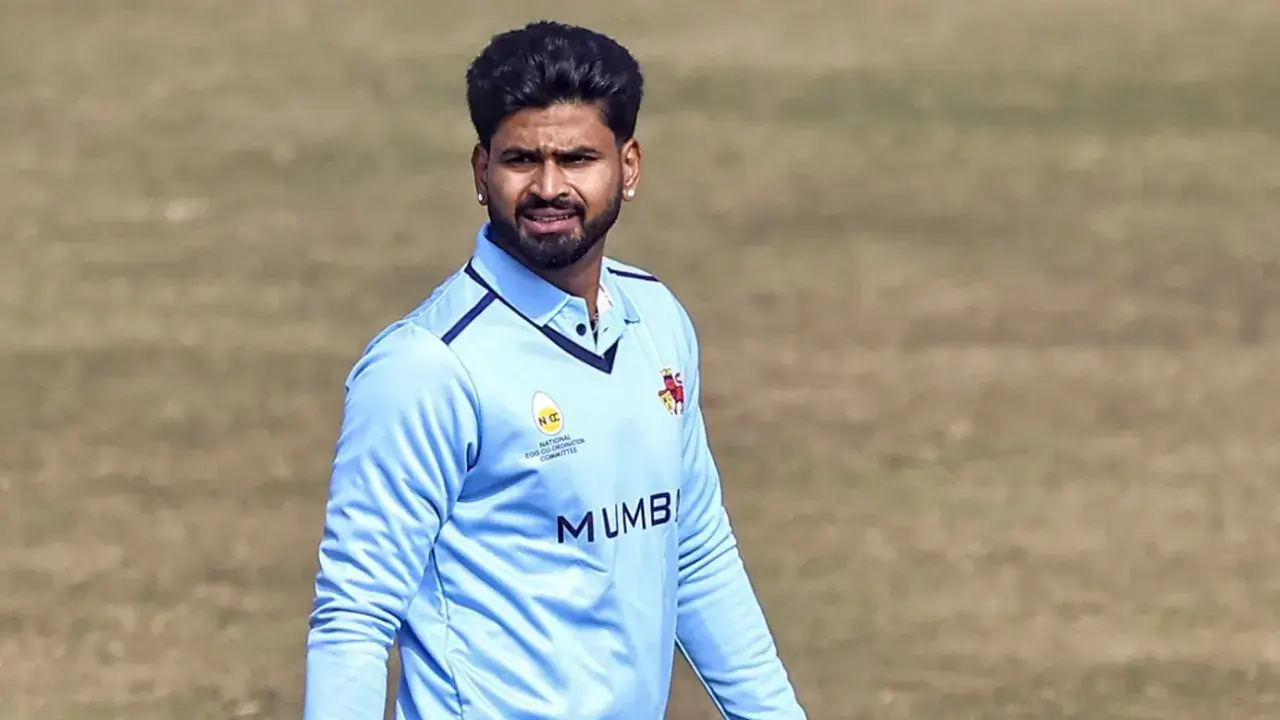
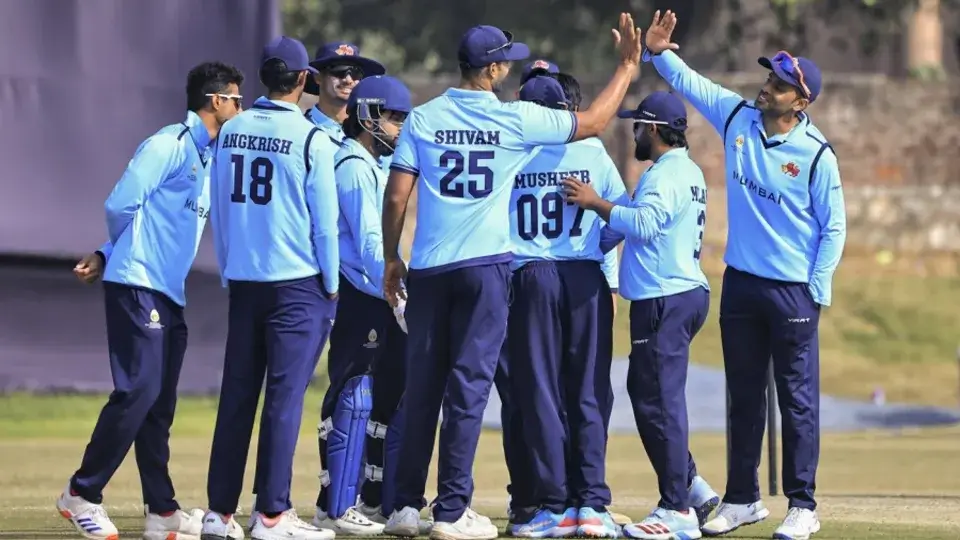
Mumbai’s defeat against Punjab will be remembered as one of the tournament’s most inexplicable collapses and opposite happens in the IPL matches in PBKS vs MI. Chasing a modest 217, Mumbai appeared completely in control. Punjab’s innings lacked momentum, with only Ramandeep Singh and Anmolpreet Singh crossing fifty. Mumbai surged to 139 for 2 inside 15 overs. Sarfaraz Khan struck the fastest List A fifty by an Indian, while Shreyas Iyer anchored calmly.
At one stage, Mumbai required just 16 runs with five wickets in hand and more than 27 overs remaining. What followed defied logic. Iyer’s dismissal triggered panic. Shot selection deteriorated, communication broke down, and pressure mounted suddenly. From 212 for 6, Mumbai collapsed to 215 all out, losing four wickets for just three runs. It was a defeat shaped by nerves rather than skill, leaving Mumbai stunned and Punjab scarcely believing the turnaround.
Group B Run-Fests as Vidarbha Edge Baroda on Net Run Rate
Group B delivered relentless run-scoring and high drama on the final day. With Uttar Pradesh already qualified, Vidarbha, Baroda, and Bengal fought for the remaining spot. UP eliminated Bengal early, narrowing the race. Both Vidarbha and Baroda finished with 20 points, forcing net run rate into play.
Baroda piled up 391 against Chandigarh, powered by Priyanshu Moliya’s century. Hardik Pandya provided late acceleration with 75 off 31 balls, including nine sixes. He later chipped in with three wickets. Yet Vidarbha responded emphatically. R Samarth’s unbeaten 94 and Atharva Taide’s fluent 80 ensured a massive win over Assam. The scale of that victory proved decisive. Vidarbha progressed on net run rate, underlining how consistent dominance, not just wins, determines survival in tightly contested groups.
Auqib Nabi Delivers a Rare All-Round Classic
Some performances transcend points tables, and Auqib Nabi produced one such effort for Jammu and Kashmir. Against Hyderabad, he first made an impact with the ball, claiming 3 for 56 to restrict a strong batting lineup to 268. During the chase, J&K appeared finished at 90 for 7. What followed was extraordinary.
Batting at No. 8, Nabi launched a fearless counterattack. His unbeaten 114 off 82 balls transformed the match. He became only the third batter in Vijay Hazare Trophy history to score a century from No. 8 or lower. Supported brilliantly by Vanshaj Sharma, Nabi added an unbroken 182-run stand for the eighth wicket. The win had no qualification implications, but it showcased temperament, power, and belief. Such innings often define domestic careers and place players firmly on the national radar.
Saurashtra and Madhya Pradesh Assert Authority
Saurashtra sealed their quarter-final berth with a commanding performance against Gujarat. Vishvaraj Jadeja’s composed century laid the foundation. Harvik Desai and Prerak Mankad added quick runs to stretch the total. Ravindra Jadeja provided the finishing touch with a brisk half-century. He then completed the all-round effort by taking three wickets. The 145-run victory highlighted Saurashtra’s balance across departments.
Madhya Pradesh produced an equally emphatic statement. Bowling first, Shivang Kumar’s five-wicket haul dismantled Karnataka for 207. In reply, captain Venkatesh Iyer removed any tension with an unbeaten 65 off just 33 balls. MP chased the target in 23.2 overs, eliminating one of the tournament favourites with ease. Both teams enter the knockouts with confidence and momentum.
Ruturaj Gaikwad Rewrites Vijay Hazare Trophy History
The final league round also belonged to Ruturaj Gaikwad. Maharashtra were struggling at 52 for 6 against Goa, staring at another disappointing outing. Gaikwad responded with composure and control. His unbeaten 134 off 131 balls rescued the innings and lifted Maharashtra to 249 for 7.
The knock carried historic significance. It was his 15th Vijay Hazare Trophy century, equalling the tournament record. He also became the fastest player to reach 20 List A centuries and the quickest to 5000 List A runs by innings played. Even as Maharashtra endured an inconsistent campaign, Gaikwad’s individual consistency stood out sharply. Performances like this reaffirm why he remains one of the most reliable batters in India’s domestic circuit.
Uttar Pradesh’s Perfect League Campaign Sets Benchmark
Uttar Pradesh finished the league stage with a spotless record, the only team to do so. Their consistency across conditions and oppositions stood out. Key batters delivered repeatedly, while the bowling unit maintained control during middle overs. Victories were built on discipline rather than bursts. By knocking Bengal out on the final day, UP indirectly shaped Group B’s outcome. Their unbeaten run sends a strong warning ahead of the quarter-finals. Momentum, confidence, and clarity now travel together.
Experienced Internationals Shape Domestic Outcomes
The final round highlighted the impact of senior internationals in domestic cricket. Players like Ishant Sharma, Hardik Pandya, Ravindra Jadeja, and Shreyas Iyer influenced games through calm decision-making and execution. Their presence lifted intensity and standards. Younger players fed off that experience, learning to manage pressure moments. Domestic tournaments continue to benefit from this blend of experience and youth, ensuring competitive balance and high-quality cricket.
With league positions settled, attention shifts to the quarter-finals. Form alone will not be enough. Tactical match-ups, bowling depth, and temperament under pressure will decide progress. Teams entering with momentum hold an edge, but knockout cricket leaves no room for recovery. One bad session can undo weeks of consistency. The stage is set for intense contests where clarity and composure will matter more than reputation.
Conclusion
The final league round of the Vijay Hazare Trophy 2025–26 delivered everything expected and more. Shocking collapses, historic centuries, dominant wins, and last-day qualification drama unfolded across venues. Mumbai’s loss will linger. Gaikwad’s records added legacy. Nabi’s heroics added heart. With eight teams now confirmed, the quarter-finals promise intensity, strategy, and nerve. In knockout cricket, confidence matters, but control matters more.