


When Usman Khawaja walks out at the Sydney Cricket Ground for the final time, the moment will carry more than runs or records. It will mark the end of a career that reshaped how Australian cricket understands identity, belonging, and representation. Khawaja’s story has never fitted neatly into scorecards. His legacy sits in moments, words, and quiet acts of resistance as much as centuries.
Growing up a short walk from the SCG, Khawaja once waited outside its gates for free entry late in the day. That same ground now hosts his farewell in front of a full house. The symmetry feels deliberate. His journey from exclusion to acceptance mirrors Australia’s own slow evolution in cricket. Khawaja did not just survive inside the system. He challenged it to look different.
This article reframes Khawaja’s career through impact rather than totals. It explores why his influence will outlast his final innings and why his presence changed Australian cricket permanently.
The SCG Farewell and a Career Coming Full Circle
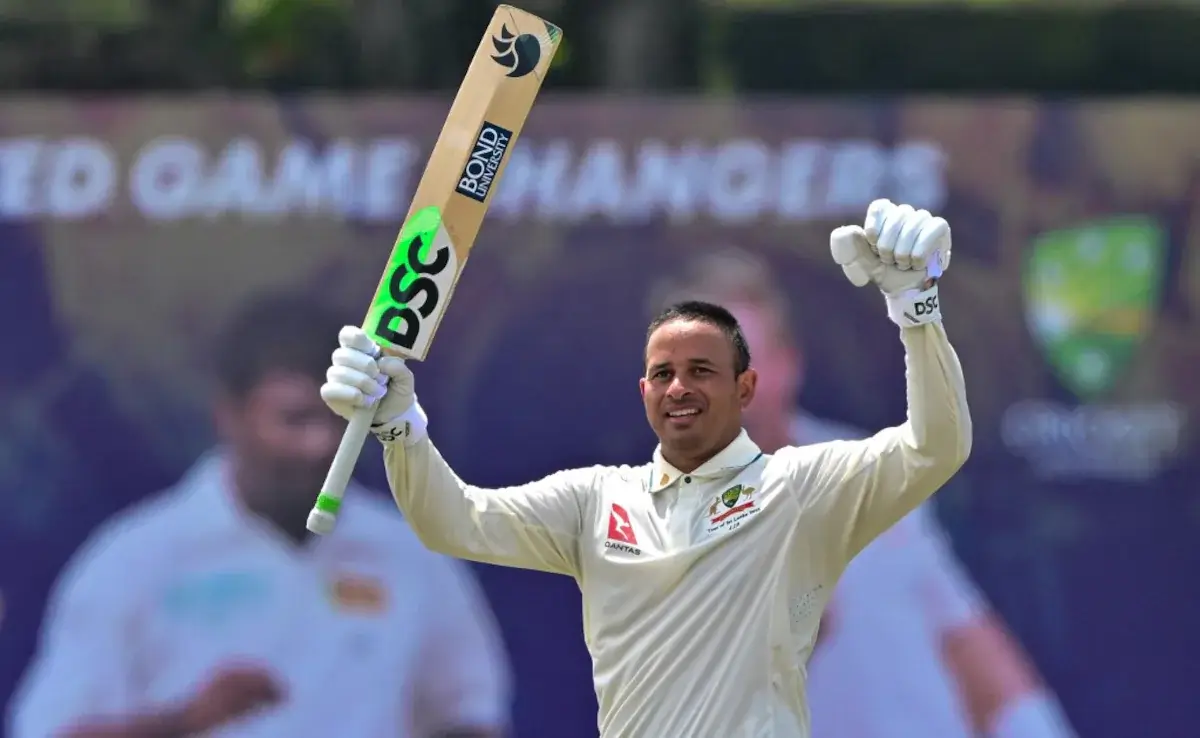
The SCG represents more than a venue in Khawaja’s story. It is the place where childhood dreams formed and where redemption arrived years later. His recall in 2022, marked by twin Ashes centuries, transformed the second half of his career. That recall reshaped how he viewed the game and himself.
Ending his Test journey at the same ground completes a rare narrative arc. Khawaja entered the game as an outsider. He exists as a symbol of belonging. Few careers achieve that symmetry naturally. His farewell is not just about nostalgia. It reflects how patience and resilience can rewrite reputations.
The SCG crowd will not just applaud runs. They will acknowledge a journey that forced Australian cricket to confront who it makes room for.
A Tale of Two Careers Within One Journey
Khawaja often described his career as two separate lives. The first half was defined by uncertainty, repeated omissions, and constant reinvention. He played 44 Tests before being dropped again in 2019. Confidence fluctuated. Security never arrived.
The second half felt different. His recall came with clarity and trust. He played another 44 Tests with freedom rather than fear. Performances improved, but more importantly, enjoyment returned. Khawaja became a calmer, more expressive cricketer.
This split is significant because it illustrates how the environment influences output. Talent did not change. Conditions did. The latter phase allowed Khawaja to become the player he always was. It also empowered him to speak beyond cricket.
Representation That Australian Cricket Could Not Ignore
Khawaja’s presence in the Australian Test side carried unavoidable significance. He remained the only Pakistan-born Muslim to play Tests for Australia. That reality followed him from debut to retirement.
Early in his career, being different felt isolating. Cultural assumptions surfaced quietly. Belonging was conditional. Over time, Khawaja chose not to hide from that difference. He leaned into it.
By doing so, he became visible to communities rarely reflected in Australian cricket’s highest level. Representation alone does not fix systems. But it opens doors mentally. Khawaja’s career made it harder to argue that Australian cricket had no room for difference.
Finding His Voice Beyond the Boundary Rope
In the later stages of his career, Khawaja grew comfortable speaking publicly about issues larger than cricket. He did not frame himself as an activist. He framed himself as a human responding honestly to injustice.
This openness brought resistance. It placed him in conflict with administrators and public opinion. Yet he persisted. He understood that silence would make his success incomplete.
Khawaja’s willingness to speak did not distract from his cricket. It contextualised it. He showed that elite athletes can hold convictions without losing professionalism. That example may prove as influential as any century.
The ICC Standoff and Standing for Principles
Khawaja’s clashes with the ICC over symbolic gestures highlighted the limits of sporting neutrality. Messages about equality and freedom were deemed political. Silence was preferred over discomfort.
Khawaja accepted consequences without retreat. He wore armbands. He applied for symbols. He spoke calmly when denied. His response never felt reactive. It felt considered.
These moments revealed how institutions manage dissent. They also revealed how individual conviction can remain dignified under pressure. Khawaja did not demand agreement. He demanded consistency. That stance earned respect across cricketing cultures.
Inspiring the Next Generation to Belong
Khawaja consistently returned to one message. He wanted the next child who felt different to have an easier path. His career, he hoped, would shorten the distance between talent and acceptance.
Seeing someone who looked like them, spoke like them, and shared similar backgrounds mattered deeply to young players. Belief often starts with visibility. Khawaja understood that instinctively.
His story reminded children that rejection is not final. Systems can change. Persistence matters. Representation is not charity. It is proof.
Life After Cricket and a Legacy of Service
Retirement does not signal retreat for Khawaja. His focus now turns outward. His foundation supports youth from refugee, Indigenous, rural, and disadvantaged backgrounds. This work reflects values he lived throughout his career.
Khawaja has spoken about wanting his future to centre on helping others. That clarity feels earned. Cricket gave him a platform. He intends to use it responsibly.
When asked how he wished to be remembered, his answer stayed simple. A good person. A good human. Someone who enjoys watching bats. In an era of noise, that humility completes his legacy.

