

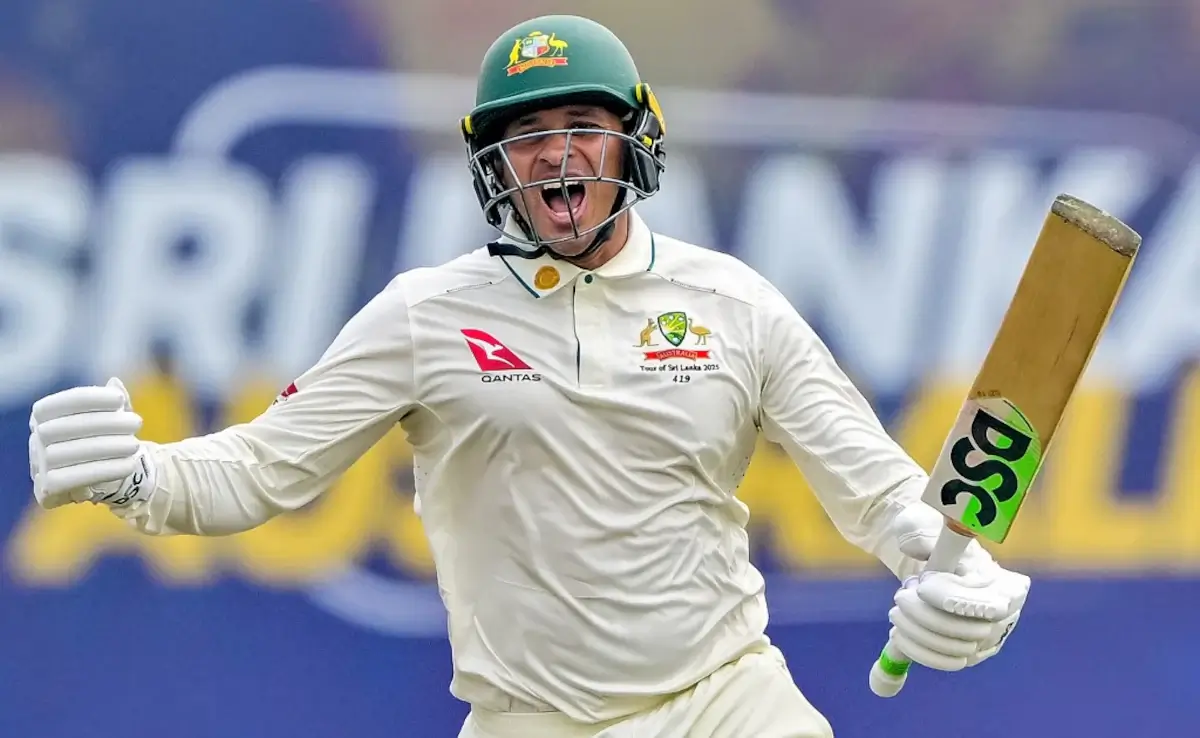
The career of Usman Khawaja never followed the standard Australian script. He played 88 Tests, yet only 37 came against England and India. In modern Australian cricket, that is unusual. Most long-serving players are defined by the Ashes or the Border-Gavaskar Trophy. Khawaja was not.
His journey zigzagged through selections, omissions, reinventions, and late-career resurgence. That irregular path shaped how he is remembered. He was not built by marquee rivalries alone. His defining moments came across continents, conditions, and contexts. This gave his career a broader texture.
Khawaja belonged to Australia’s elite cricketing class. Yet he always felt closer to the game’s everyday struggles. His batting, his voice, and his presence reflected that difference. This article explores why Khawaja’s career felt unlike any other Australian Test cricketer’s, and why that difference matters.
A Career Not Defined by the Big Three Rivalries
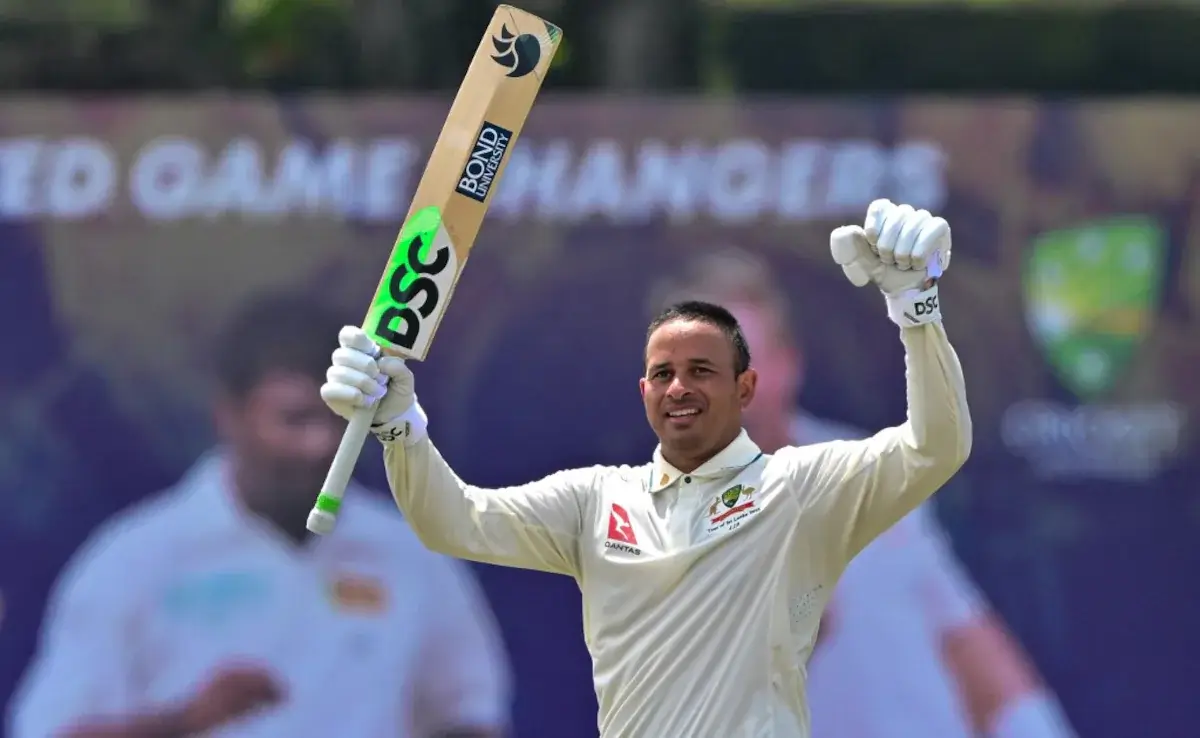
Modern Australian greatness is often measured against England and India. Khawaja’s career resists that framing. Only a minority of his Tests came against those opponents. Most of his centuries arrived elsewhere. Sri Lanka. New Zealand. South Africa. Pakistan.
This distribution was partly accidental. Selection gaps and late career revival played a role. But it also reflects how Khawaja built value beyond marquee stages. He learned to win battles in varied environments. Swing in England was not his only exam. Spin in Galle mattered just as much.
As a result, his highlights reel feels global. A lone stand in Dubai. A pink-ball hundred under lights. A double century in Sri Lanka. These innings demand context, not nostalgia. They reward appreciation rather than hype.
Khawaja’s career feels closer to an older era of Test cricket. One where adaptability mattered more than spotlight frequency.
A Batting Style From Another Time
Khawaja’s batting never chased modern fashion. Full sleeves. Top button done. Deep crease. Waiting rather than lunging. His method felt almost defiant in an age of hyper-athletic movement.
He trusted time. Balls came to him. That patience shaped everything. His pull shot was elegant, not violent. His late cut arrived so late it felt mischievous. These strokes were not power statements. They were expressions of control.
This style also carried vulnerability. But that fragility made his success richer. He survived storms rather than overpowering them.
In a team filled with forceful certainty, Khawaja offered something rarer. Restraint. His batting did not dominate opponents. It invited them in, then quietly resisted.
The Opener’s Burden and Khawaja’s Scars
Opening the batting in Tests leaves marks. Khawaja carried his. Early dismissals. Close calls. Lingering uncertainty at the crease. His innings always felt balanced on patience rather than inevitability.
Yet the numbers remain impressive. Nearly 50 while opening. Longevity at the hardest position. These figures sit alongside memories of jeopardy. That contrast defined him.
He was not an opener who imposed himself. He survived long enough to grow. Each ball faced felt earned. That earned nature made his runs resonate. When he stayed, Australia stabilised. When he fell, the vulnerability felt collective.
Few Australian openers have felt so human at the crease. That humanity drew fans closer. It made his success relatable rather than remote.
Stillness as a Competitive Weapon
Khawaja’s defining quality may not have been strokeplay, but stillness. Not physical stillness alone. Inner calm.
That calm surfaced in forgotten innings. A gritty 29 on a hostile Boxing Day pitch. Long stretches of defence when chaos surrounded him. He showed, quietly, that conditions were manageable if respected.
This temperament separated him from teammates who thrived on momentum. Khawaja thrived on pause. He slowed games down. He reset rhythm. In tense moments, he absorbed pressure rather than transferring it.
Such innings rarely headline montages. But they shape matches. Khawaja specialised in these moments. His contribution was often invisible until it was irreplaceable.
Identity, Representation, and Speaking Up
The most striking fact about Khawaja’s career remains simple. A man named Usman Khawaja played 88 Tests for Australia. That matters.
He became Australia’s first long-term Muslim Test cricketer of Pakistani heritage. He did not downplay that identity. Nor did he weaponise it. He lived it. When he spoke about racism, he did so from experience, not ideology.
Speaking publicly in 2017 carried risk. It invited scrutiny. It demanded courage. Khawaja chose honesty anyway. Over time, his voice became normalised. That, perhaps, is his quietest victory.
Representation is not just presence. It is permission. Khawaja made it easier for others to belong without erasing themselves.
Decline, Debate, and a Career Refusing Simple Endings
Late-career scrutiny followed Khawaja as it does all veterans. Averages dipped. Questions rose. Transition loomed. These debates were inevitable.
What stood out was his refusal to accept decline as destiny. Elite athletes rarely do. Khawaja backed preparation. He trusted method. He believed form could return. Sometimes it did.
Even when discussion turned uncomfortable, he remained articulate. He challenged narratives. He questioned undertones. Not defensively, but directly.
His farewell press conference reflected the same qualities as his career. Calm. Honest. Unafraid. He did not demand legacy. He trusted it to stand on its own.
Why Australian Cricket Will Miss This Kind of Career?
Khawaja’s path will be hard to replicate. Not because of numbers alone. But because of what it required. Patience through exclusion. Confidence without centrality. Belonging without assimilation.
Australian cricket often rewards certainty. Khawaja thrived in uncertainty. He made room for nuance in a system built on clarity. His legacy is not just runs. It is permission.
When future Australian teams search for balance, they may look back at Khawaja and realise what they had. A cricketer who was part of the team, yet always stood just apart.