Steven Smith has once again forced his way into cricket conversations with performances that are impossible to ignore. His blistering century at the SCG, followed by another commanding fifty, lit up the Big Bash League and reminded everyone of his adaptability in the shortest format. Few batters at 35-plus can reinvent themselves so convincingly, yet Smith continues to do so with startling regularity.
The numbers tell their own story. Smith’s recent BBL innings were not built on accumulation but on sustained aggression. Nine sixes in a single innings highlighted a version of Smith that once seemed unimaginable. This is no late-career cameo act. It is a fully retooled approach designed for modern T20 demands.
Yet, even this purple patch has not translated into an international recall. That reality reflects Australia’s depth rather than Smith’s decline. His BBL form has strengthened his franchise value and long-term ambitions, but it has also underlined a harsh truth. Timing, not talent, defines selection at this stage.Smith is playing outstanding cricket. Australia, however, have already moved forward.
Why the T20 World Cup Door Is Almost Shut?
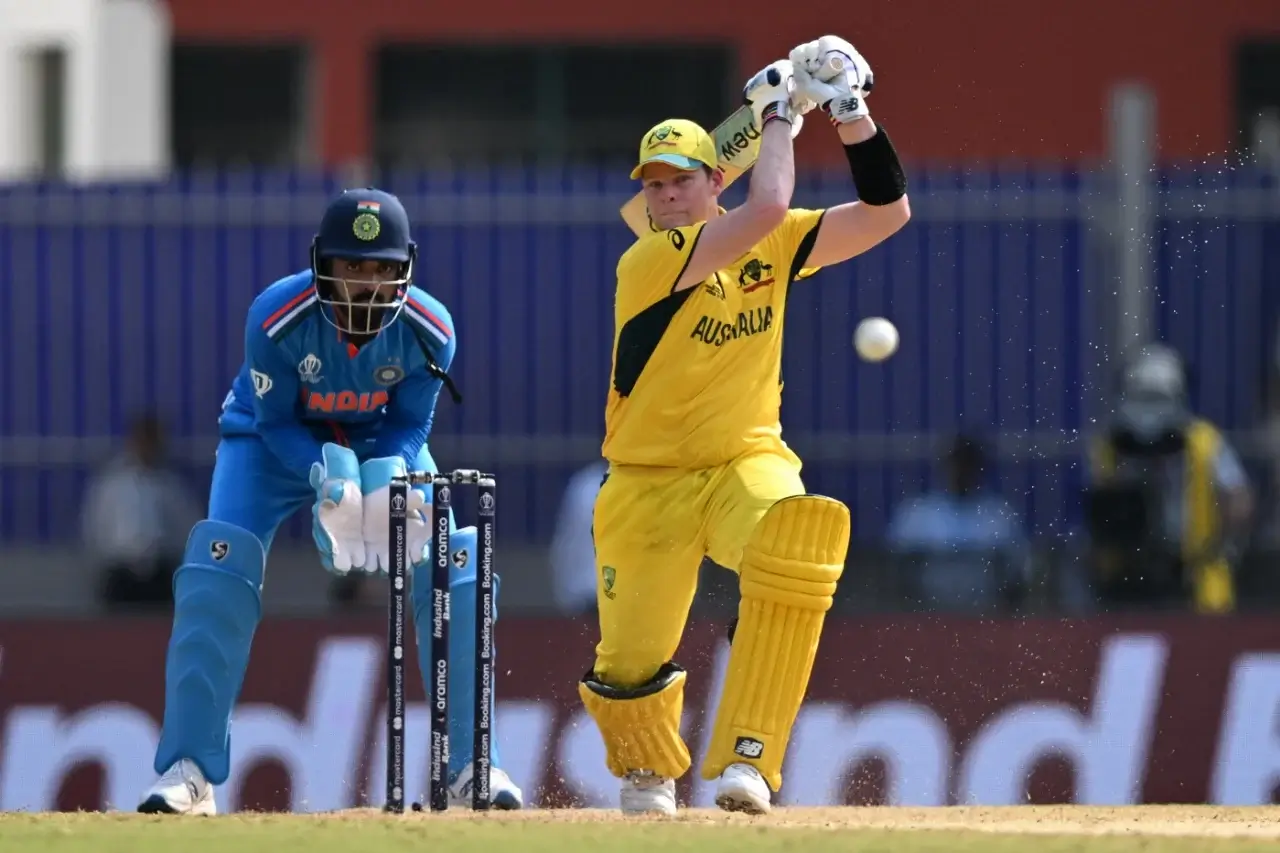
Despite his form, Steven Smith remains on the fringes of Australia’s T20 plans. He has not played a T20I since early 2024, and the selectors have shown little inclination to reverse course ahead of the upcoming World Cup. The provisional squad is already in place, and barring injuries, changes are unlikely.
Australia’s top order is settled. Mitchell Marsh and Travis Head are locked in as openers, offering power, familiarity, and proven success. With limited matches remaining, selectors are prioritising continuity over late experimentation.
Smith himself has accepted this reality with clarity rather than bitterness. He understands that selection windows close quietly. Performance alone is not always enough. Team balance, roles, and long-term planning often outweigh form.
This acceptance does not reflect resignation. It reflects awareness. Smith knows the World Cup ship has likely sailed. Instead of chasing it endlessly, he has chosen to channel ambition elsewhere.
Selectors’ Perspective: Depth Is the Luxury
From the selectors’ point of view, Smith’s absence is a symptom of strength, not neglect. Australia are unusually well-stocked at the top of the order, particularly in T20 cricket. When players like Marsh and Head are delivering consistently, there is little incentive to disrupt the structure.
Chair of selectors George Bailey has publicly acknowledged Smith’s form, making it clear the door is not technically closed. Yet he has also underlined the reality. Smith operates in a role where Australia already have clarity and success.
This creates a paradox. Smith is performing at a level that would demand selection in most teams. Australia simply do not need him in that position right now. In elite sport, redundancy can be as decisive as deficiency.
Selectors value Smith’s adaptability, but late-cycle changes carry risk. Australia’s recent T20 success has come from stability. Introducing a major shift so close to a global tournament contradicts that philosophy. For Smith, this clarity allows him to plan honestly rather than hope blindly.
Reinventing Himself as a Fearless Opener
One of the most striking aspects of Smith’s recent run is how different his role has become. For much of his international career, he was a stabiliser. He rebuilt innings, absorbed collapses, and prioritised control over flair. Opening the batting has unlocked a freer version.
At the top, Smith no longer waits for the game to settle. He attacks from ball one. The removal of early field restrictions suits his improvisation. His ability to access unconventional scoring areas has become a genuine weapon rather than a novelty.
This freedom has redefined his T20 profile. His strike rate since last playing for Australia reflects a batter unshackled by responsibility. He is no longer managing risk for others. He is creating it for bowlers.
Ironically, this reinvention arrived just as Australia no longer needed an opener. Timing, once again, dictates opportunity.
Why Smith Walked Away from ODIs?
Smith’s decision to retire from ODIs after the Champions Trophy surprised many. Yet it was a calculated move. Rather than extending his career into another World Cup cycle, he chose freedom. That freedom allowed him to embrace franchise cricket fully.
By stepping away from ODIs, Smith opened space in his calendar and his body. The result has been clear. More consistent T20 opportunities. Better rhythm. A stronger physical base.
Smith now lives part-time in New York and has invested heavily in strength training. The added power is visible. This is not aesthetic change. It is functional adaptation to modern cricket’s demands.
His ODI retirement was not an ending. It was a redirection.
The Olympic Dream That Still Burns Bright
While the T20 World Cup appears out of reach, Smith’s ambition has not dimmed. His long-term target is the Los Angeles Olympics 2028. By then, he will be 39. That fact does not discourage him. It motivates him.
Olympic cricket represents a different pathway. Squad compositions may differ. Experience could carry greater value. Franchise-heavy players may hold an advantage due to format familiarity.
Smith understands that consistency in T20 leagues worldwide is his best argument. By staying relevant, explosive, and adaptable, he keeps himself in contention.
The Olympics are not about nostalgia. They are about fit-for-purpose players. Smith is shaping himself to be exactly that.
Why Franchise Rhythm Matters More Than Caps?
One of Smith’s strongest points is rhythm. Inconsistent international schedules can disrupt T20 form. Franchise leagues offer continuity. Smith has recognised this reality and leaned into it fully.
Regular matches allow experimentation. They allow flow. They remove the pressure of limited chances. Smith has benefited enormously from this environment.
This explains why his BBL innings feel instinctive rather than forced. He is not auditioning. He is expressing.
For players in the twilight of their international careers, this approach often extends relevance. Smith is following that path intelligently.
BBL as Proof, Not Protest
Smith’s BBL performances are not acts of defiance. They are statements of ability. He is not demanding selection. He is demonstrating value.
This distinction matters. Players chasing international recall often play with urgency. Smith plays with enjoyment. That freedom has enhanced his output.
Whether Australia call again or not, Smith’s legacy is secure. What he is building now is optionality. Choices. Longevity.
Steven Smith may not feature at the upcoming T20 World Cup, but his story is far from closing. His evolution, ambition, and clarity reflect a cricketer comfortable with change.
The World Cup door may be closing. The Olympic window remains open. And Smith, as always, is adjusting his game to fit the future rather than cling to the past.
That adaptability, more than selection, defines his greatness.