

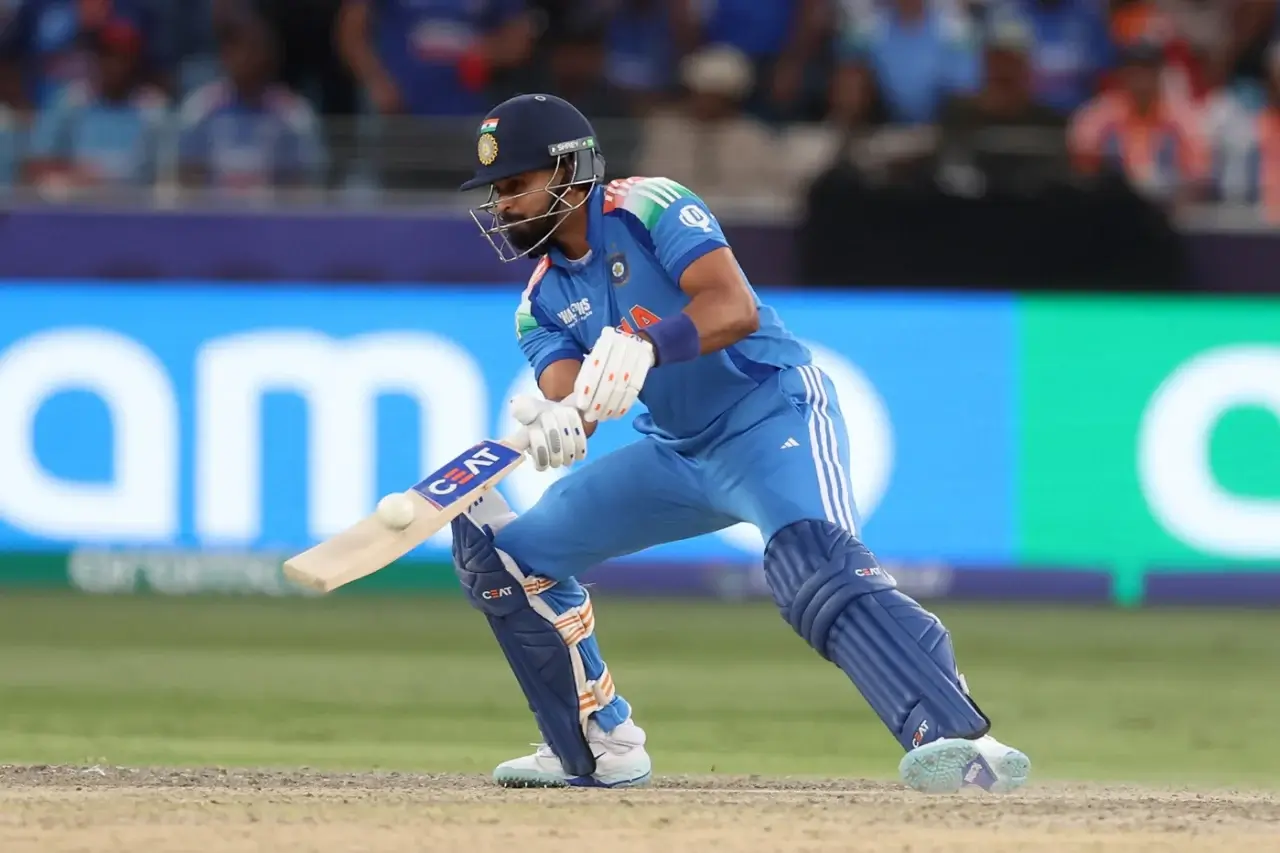
Shreyas Iyer is edging closer to competitive action after receiving conditional clearance from the BCCI’s Centre of Excellence in Bengaluru. Following a spleen injury sustained during India’s tour of Australia, Iyer has completed the final phase of his rehabilitation and could return to the field on January 6 in the Vijay Hazare Trophy.
Iyer spent ten days at the Centre of Excellence undergoing structured rehab. As part of the return-to-play protocol, he featured in a practice match on January 2. He batted without pain and completed all drills before and after the game without discomfort. Based on those assessments, he has been cleared to play domestic cricket.
The timing is significant. India’s ODI squad for the New Zealand series is set to be picked on Saturday, placing Iyer’s comeback directly in the selectors’ line of sight.
How the BCCI Clearance Process Shaped Iyer’s Return?
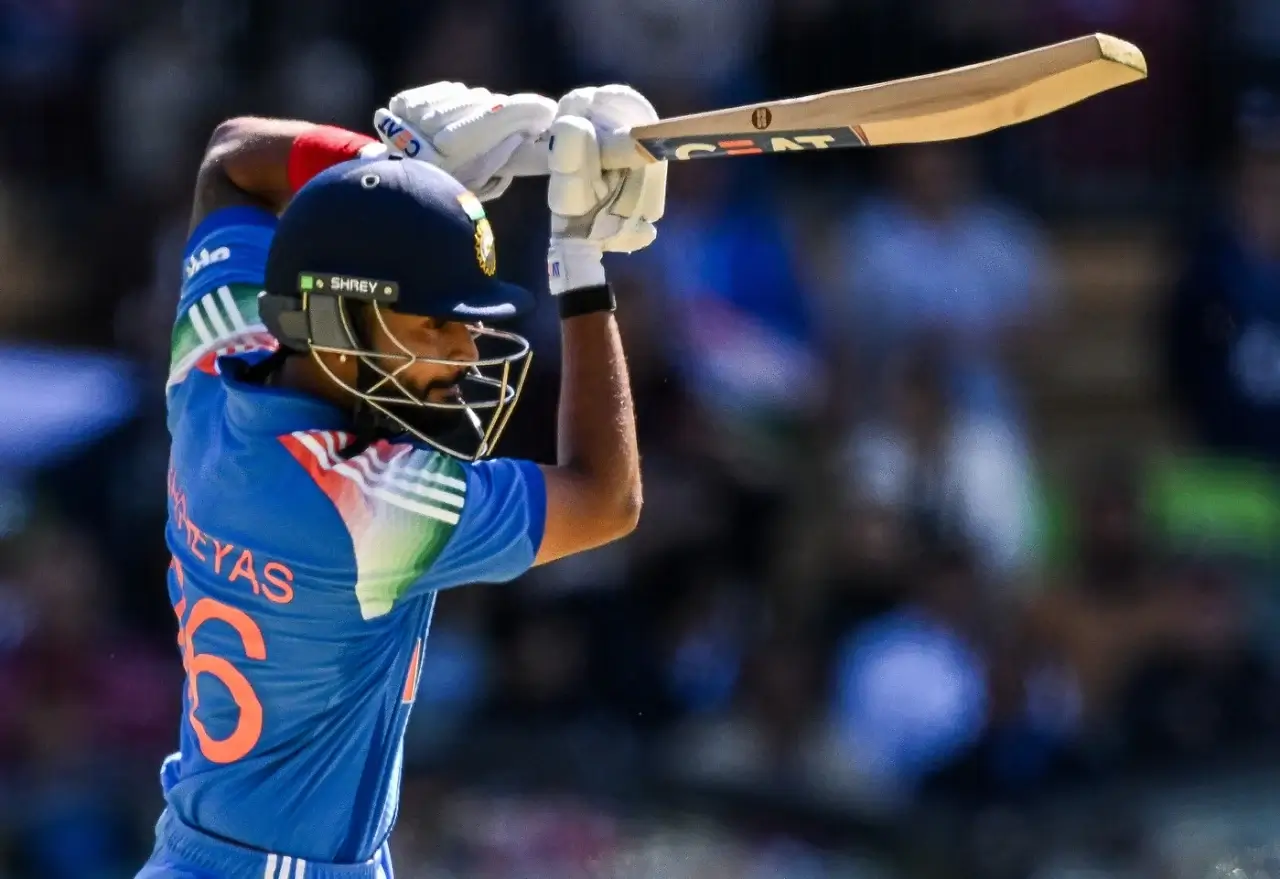
Iyer’s clearance has been deliberately conditional rather than absolute. The BCCI medical team prioritised gradual reintegration over accelerated return. His rehab at the Centre of Excellence focused not just on batting but on movement, impact tolerance, and recovery response.
The January 2 practice game was a key checkpoint. Iyer showed no visible hesitation while batting and completed all prescribed drills. Importantly, there were no post-session flare-ups, which often determine whether clearance is extended or delayed.
By allowing him to return through domestic cricket first, the BCCI ensured competitive exposure without international risk. This phased model reflects a cautious but confident approach to player welfare, especially in series against Bangladesh in 2026.
Why January 6 Is a Critical Date for Iyer?
Mumbai face Himachal Pradesh in Jaipur on January 6, a match expected to be watched closely by national selectors. For Iyer, this game is more than a domestic fixture. It is a live assessment under match pressure.
Selectors value visual confirmation, especially after internal injuries. Even a brief innings can offer clarity on movement, confidence, and intensity.
While fitness clearance exists, performance rhythm remains untested in real conditions. A composed outing would strengthen Iyer’s case. A cautious approach could prompt selectors to wait longer.
Either way, January 6 marks the moment where preparation meets decision.
How the Australian Injury Changed Iyer’s Season
Iyer’s injury occurred during the third ODI against Australia in Sydney on October 25. While taking a running catch to dismiss Alex Carey, he injured his rib area and was later diagnosed with a spleen laceration and internal bleeding.
He was hospitalised and missed the remainder of the tour. The injury required immediate medical intervention but no major surgery. According to BCCI secretary Devajit Saikia, the bleeding was arrested promptly, and recovery progressed smoothly.
Despite stability, the seriousness of the injury ruled out any rushed return. The incident effectively reset Iyer’s season, shifting focus from form to recovery.
ODI Squad Selection and the Middle-Order Question
India’s ODI squad for New Zealand will be finalised on Saturday. While there is provision to pick Iyer subject to fitness, selectors may prefer to see him complete at least one competitive match.
In Iyer’s absence, Ruturaj Gaikwad batted at No. 4 against South Africa and scored his maiden ODI century. That performance strengthened internal competition.
Meanwhile, Devdutt Padikkal has been outstanding in the Vijay Hazare Trophy, scoring four centuries in five innings. His domestic form has added further pressure on the selection balance. Iyer’s return, therefore, enters a more competitive landscape than when he left.
Why Selectors May Still Exercise Patience?
Even if Iyer plays on January 6, the selectors may choose to exercise restraint. Spleen injuries carry risks if impact tolerance is tested too soon at international intensity.
Domestic cricket allows controlled assessment. ODIs demand immediate physical commitment, including diving, sprinting, and fielding under pressure.
Selectors must weigh experience against readiness. Iyer offers proven middle-order stability, but readiness must be visible, not assumed. This caution is not hesitation. It is alignment with long-term planning.
What does Iyer bring to India that it still values?
At his best, Iyer provides control against spin, clarity in the middle overs, and composure under pressure. These qualities remain valuable, particularly in home ODI conditions.
His absence has allowed others to step forward, but experience still carries weight. Iyer’s return adds depth rather than automatically displacing form players.
India’s challenge is not choosing between players, but sequencing their returns intelligently. Iyer’s comeback is about reintegration, not reclamation.
How Domestic Cricket Fits Into Iyer’s Comeback Plan?
The Vijay Hazare Trophy provides a lower-risk environment for testing recovery. Fielding workloads can be managed. Batting exposure can be gradual.
For Iyer, domestic cricket serves as validation rather than preparation. He has already completed rehab. Now he must show comfort in competition. This pathway mirrors how modern Indian cricket handles returns. Domestic matches are checkpoints, not hurdles. The focus remains on sustainability.
If Iyer plays pain-free on January 6, he places himself firmly back in selection conversations. If selectors wait, he still gains rhythm without consequence.
Either outcome is positive. The priority has been safe return, not rushed reintegration. Iyer’s comeback is no longer theoretical. It is imminent. The next phase will be shaped not by injury, but by timing, competition, and clarity.

