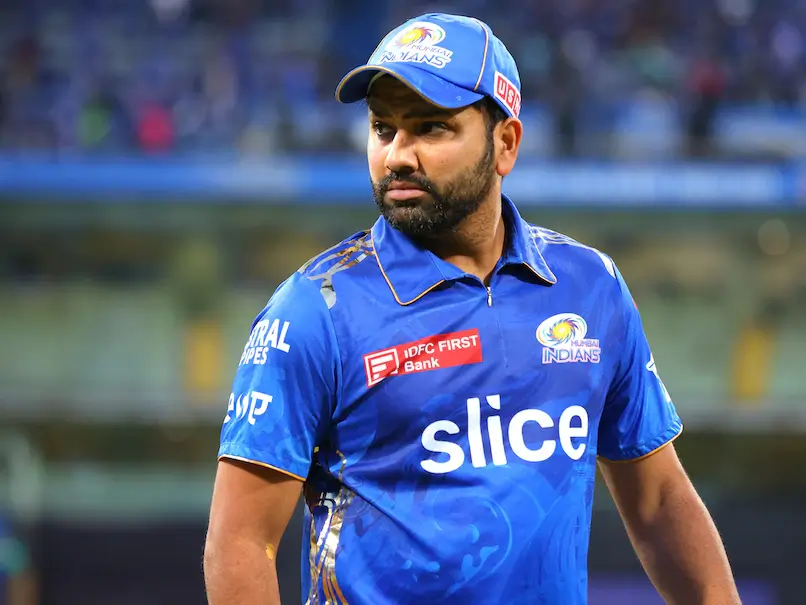
When discussions turn to great IPL captains, Rohit Sharma stands in a category of his own. His role as captain of Mumbai Indians was not defined by noise or constant innovation. It was built on clarity, patience, and long-term thinking. Across a decade, Rohit transformed Mumbai Indians into the most consistent and successful franchise in IPL history.
Rohit took over the captaincy midway through IPL 2013. Mumbai were talented but inconsistent. What followed was not instant dominance, but structural growth. Rohit focused on building a stable core, trusting experienced players, and allowing young talent to grow without fear.
Under his leadership, Mumbai Indians won five IPL titles and reached multiple playoffs. More importantly, they became known for peaking at the right time. Rohit’s captaincy was about timing, balance, and emotional control.
Building a Core That Outlasted Seasons
One of Rohit Sharma’s biggest contributions as captain was his belief in continuity. Mumbai Indians rarely overhauled their squad. Instead, Rohit backed a strong core season after season.
Players like Pollard, Bumrah, Hardik Pandya, Krunal Pandya, and Surya Kumar Yadav were trusted through lean phases. Rohit understood that familiarity breeds calm under pressure. This stability allowed Mumbai to perform better in knockout matches.
He resisted short-term reactions. Poor seasons did not lead to panic changes. That patience paid off when the same players delivered match-winning performances in title runs. Rohit’s captaincy turned squad building into a long-term project, not a yearly gamble.
Calm Leadership That Thrived Under Pressure
Rohit Sharma’s on-field leadership style was defined by calm decision-making. He rarely showed visible panic, even in tight games. That composure filtered into the team’s mindset.
In close finishes, Mumbai Indians often looked more settled than opponents. Rohit’s body language sent a clear message. Trust the plan. Stick to roles. Execute basics.
This calmness was especially valuable in playoffs. Mumbai won most finals by controlling key moments rather than dominating entire games. Rohit knew when to slow games down and when to push momentum.
His captaincy proved that emotional stability can be a tactical advantage.
Tactical Simplicity Over Overthinking
Rohit was never a captain who chased complicated match-ups excessively. His tactics were rooted in clarity. Bowl your best bowlers at key moments. Trust experienced players in pressure overs.
Jasprit Bumrah often bowled the toughest overs because Rohit believed in skill over surprise. Kieron Pollard was held back for finishing roles instead of early impact. These decisions came from understanding player strengths deeply.
Field placements were practical, not experimental. Rohit preferred predictable excellence over risky innovation. That approach reduced execution errors in high-pressure games. Mumbai Indians became a team that did simple things exceptionally well.
Backing Players Through Form Slumps
Perhaps Rohit’s greatest strength as captain was player backing. He rarely dropped players after one bad game. This created trust and confidence across the squad.
Hardik Pandya struggled early in his IPL career. Rohit persisted. Bumrah had off games. Rohit stayed firm. Even senior players were allowed space to recover form.
This environment encouraged fearless cricket. Players knew failure would not end opportunities. That freedom often unlocked peak performances when it mattered most.
Many Mumbai players credit Rohit for their growth, not just their success.
Rohit Sharma as MI Captain
| Metric | Record |
|---|---|
| Seasons as Captain | 2013–2023 |
| IPL Titles | 5 (2013, 2015, 2017, 2019, 2020) |
| Playoff Appearances | 9 |
| Win Percentage | ~58% |
| Finals Won | 5 out of 6 |
| Most Titles by Captain | IPL Record |
These numbers reflect consistency rather than occasional brilliance. Rohit’s Mumbai rarely missed playoffs and almost always threatened the title.
Managing Stars Without Ego Clashes
Mumbai Indians were a star-heavy team for most seasons. Managing egos was a hidden challenge. Rohit handled this quietly and effectively.
He led without insecurity. Senior players were treated as equals. Young players were protected from media pressure. Rohit rarely sought personal spotlight.
This balance kept dressing-room harmony intact. Even international stars accepted roles without conflict. That unity translated into better performances during crunch phases.
Great teams often fail due to ego clashes. Mumbai did not, largely because of Rohit’s leadership tone.
Why Rohit’s Captaincy Changed IPL Leadership Standards?
Rohit Sharma redefined what IPL captaincy could look like. He proved that leadership does not require constant aggression or theatrics. It requires trust, preparation, and emotional intelligence.
His success influenced how franchises value long-term captains. Stability became desirable. Player development became central. Panic decisions became less fashionable.
Mumbai Indians did not just win trophies. They set a leadership template that others tried to follow.
Conclusion: Rohit Sharma’s Captaincy Was Mumbai Indians’ Greatest Asset
Rohit Sharma’s role as Mumbai Indians captain went far beyond toss decisions and field placements. He built a culture. He created belief. He made calm contagious.
Five titles were the result, not the starting point. The real success was consistency across a decade in the IPL’s most volatile environment.
Even after stepping away from captaincy, Rohit’s influence remains visible in Mumbai’s structure and mindset. His era stands as a benchmark for franchise leadership.
For any hub article on IPL captains, Rohit Sharma’s Mumbai Indians chapter is not optional. It is foundational.