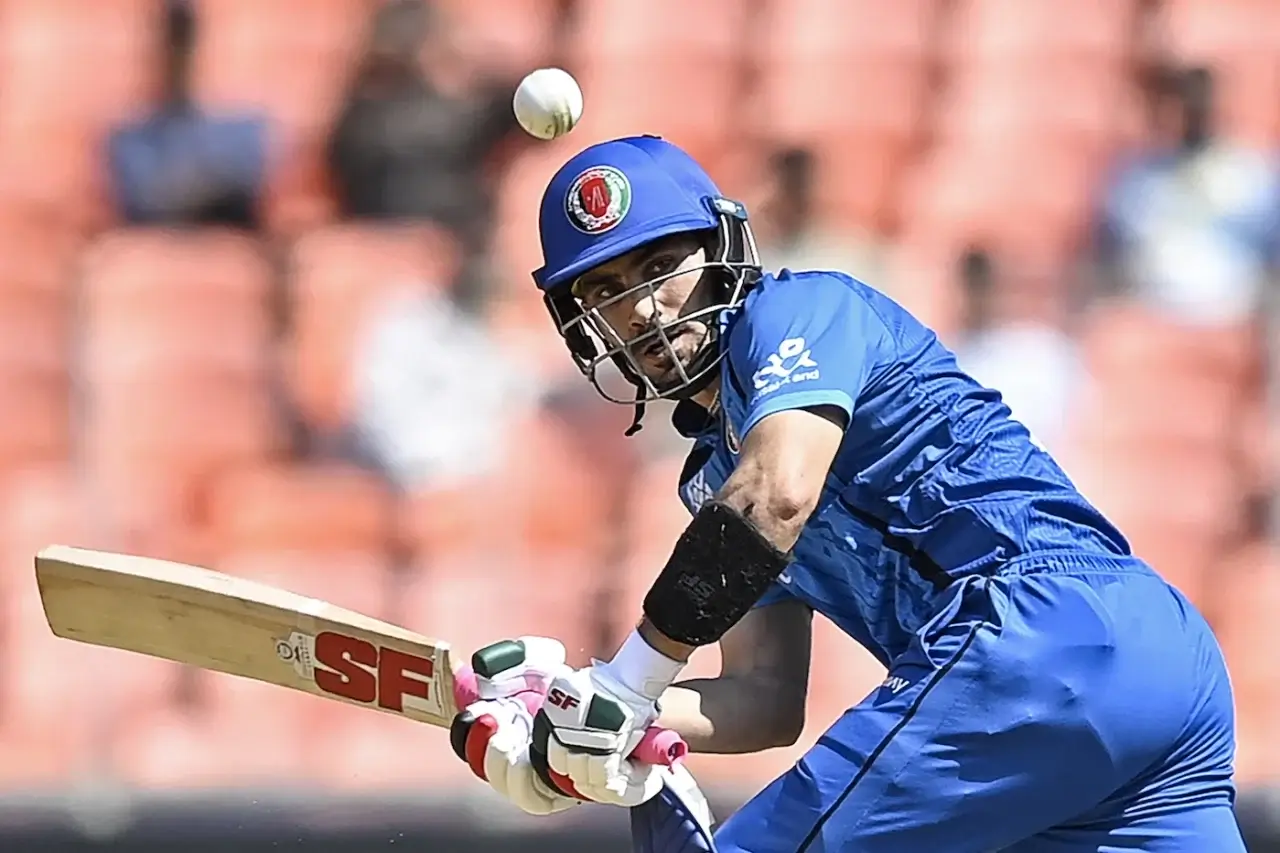
Some innings are remembered for numbers. Others are remembered for impact. Rahmanullah Gurbaz’s assault against South Africa in the 2026 T20 World Cup will be remembered for emotion.
On a surface that demanded patience, he chose defiance. When the pitch slowed and bowlers varied pace, he accelerated. When logic suggested restraint, he attacked. For overs, he bent conditions to his will.
But cricket has a way of demanding perfection at the very end.
Gurbaz soared through regulation overs. He soared again in the Super Overs. Three consecutive sixes in a moment of extreme pressure felt like rebellion against destiny itself. For a few minutes, he looked untouchable.
Yet in elite sport, soaring often means flirting with collapse. The higher you rise, the thinner the margin becomes.
That day in Ahmedabad was not just about runs. It was about daring the cricketing gods. And learning how unforgiving they can be.
A Lone Flame in the Regulation Overs
Afghanistan’s innings never flowed smoothly. Wickets fell around Gurbaz. Partnerships struggled to build momentum. South Africa’s bowlers controlled pace cleverly. Yet Gurbaz operated on a different wavelength.
He scored 84 runs in just seven overs of dominance. The rest of the batting unit combined modestly. Boundaries did not come easily for others, but he pierced gaps effortlessly. He found length balls and punished them. He used pace where others hesitated.
On that surface, once the bowlers reduced speed and hit into the pitch, stroke-making became difficult. South Africa’s taller seamers extracted awkward bounce. Spinners varied angles and pace intelligently. But Gurbaz ignored the script.His confidence infected the atmosphere.
For 12 overs, he controlled tempo almost alone. It was a masterclass in self-belief. Afghanistan stayed competitive because of him. Yet even in dominance, cricket whispers warnings. No one can carry a T20 innings forever. Eventually, the contest tightens. And when it did, the spotlight only grew brighter.
Confronting Spin Without Fear
Left-arm spin often thrives on surfaces that grip. The expectation is simple: batter steps out, spinner pulls length wide, miscue follows. Gurbaz rewrote that expectation. He hit Keshav Maharaj from the crease. No dramatic charge down the track. No reckless slog. Just calculated vertical bat swings. He trusted his balance. He trusted his timing.
One six sailed over long-on without him leaving his crease. Another soared over long-off off the back foot. He refused to sweep. He refused to retreat.
This was not wild aggression. It was controlled defiance. Spinners thrive when batters disrupt their own rhythm. Gurbaz refused that trap. He made bowlers second-guess lines. That psychological shift matters deeply in T20 cricket. But even calculated aggression carries risk.
Eventually, Maharaj tossed one wider. Gurbaz aimed straight again. The edge carried. A tall fielder completed the catch. The dismissal felt symbolic. A man flying too high, clipped by fine margins. And yet, his story was not finished.
The Super Over Resurrection
Many players fade after dismissal in tight matches. Gurbaz returned stronger. In the second Super Over, he faced the ultimate test. Left-arm spin again. Fielders spread. Target steep. Four sixes were required from four balls at one stage. That is not strategy. That is near impossibility. Gurbaz responded with clarity.
The first six rode the bowler’s pace over long-off. The second teased Marco Jansen’s height and cleared him narrowly. The third was brutal — full in his arc, launched with authority. For a moment, destiny bent. The stadium felt suspended. Afghanistan believed. South Africa felt tremor.
Those three sixes were not just strokes. They were emotional surges. They carried hope for a nation still carving its place in elite cricket. But sport is merciless. The final attempt lacked elevation. The ball found a fielder. The dream collapsed inches short.
The Psychological Cost of Almost
Failure in sport is common. Near-victory is rarer and often more painful. Gurbaz did not throw his bat. He did not collapse. His reaction was restrained. That composure spoke volumes.
Yet internally, questions linger. Should he have targeted square instead of straight earlier? Could he have manipulated strike differently? Could he have waited one ball? Elite athletes replay moments endlessly.
The cruel truth is that nothing he did was reckless. His choices were calculated. But cricket does not reward effort. It rewards outcome.
For Afghanistan, that loss hurt deeply. For Gurbaz, it may become a defining lesson. Sometimes greatness is not about winning. It is about rising under impossible weight. He did that.
Afghanistan’s Evolution Through Gurbaz
Afghanistan’s cricketing rise has been extraordinary. From limited infrastructure to competing with global powers, their progress inspires.
Gurbaz symbolizes the new generation. Fearless. Technically adaptable. Emotionally expressive. This innings reinforced that Afghanistan is no longer an underdog hoping for miracles. They can dictate matches. They can stretch elite teams. But evolution requires heartbreak too.
Losses like this sharpen competitive instinct. They refine decision-making. They harden mental resilience. Afghanistan may remember this defeat not as collapse, but as transition. And Gurbaz stands at that transition’s center.
South Africa’s Tactical Response
Credit must also go to South Africa. They adjusted pace smartly. They isolated Gurbaz strategically. Maharaj varied angles in Super Overs. Rabada endured turbulence but responded. Their experience in tight ICC matches showed. They understood that against a player in flow, patience matters.
In the end, execution under pressure gave them edge. Great matches are built by two strong sides. Gurbaz soared, but South Africa’s discipline ensured they survived.
Cricket often turns on centimeters. A slightly lower full toss may have stayed inside the rope. A fraction more elevation on the final shot may have cleared the fielder. The sport’s geometry is unforgiving. Bat angle, trajectory, wind, field positioning — all collide in split seconds.
Gurbaz lived on that razor’s edge for an entire afternoon. And the difference between immortality and heartbreak was minimal. That is cricket’s beauty and cruelty combined.
The Legacy of a Day That Almost Was
Scorecards will show numbers. Highlights will show sixes. But context defines legacy. This was not merely an 80-plus innings. It was an act of resistance. Gurbaz carried Afghanistan when momentum slipped. He reignited belief in the Super Overs. He forced South Africa into desperation. Even in defeat, he elevated his stature. Some days shape careers. This felt like one.
Conclusion: Flying Close to the Sun
Elite athletes often soar dangerously close to the sun. Rahmanullah Gurbaz did exactly that in Ahmedabad. He bent conditions. For a few breathtaking minutes, he looked destined to conquer everything. But sport rarely grants fairy tales easily. The same fine margins that allow brilliance also invite collapse. Gurbaz experienced both within hours.
He left the field without drama. No visible despair. Just quiet acceptance. Perhaps that maturity matters more than the result. Because in cricket, as in life, you can rise spectacularly. You can fall narrowly. And sometimes, the difference between the two is only inches. On that day, Gurbaz almost conquered destiny. And sometimes, almost is enough to define greatness.