PBKS vs Mumbai Indians is not a rivalry of blowouts. It is a rivalry of margins. Most matches stay alive deep into the innings. Powerplays rarely decide them. Death overs only finish what was already shaped earlier.
Punjab Kings often look better early. They score faster. They take risks. They create momentum. Mumbai Indians often look slower. Conservative, even passive. Yet the result keeps leaning the same way.
The answer does not lie in star power or luck. It lies in how both teams understand control. Mumbai protect it. Punjab chase it. In T20 cricket, that difference decides outcomes more reliably than any individual performance.
Why Overs 7–15 Are the Real Match Deciders?
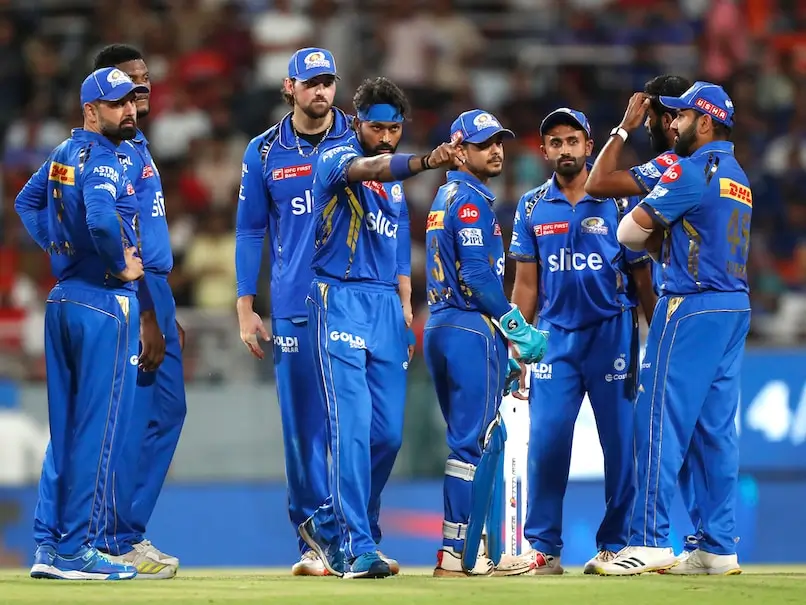
Overs 7 to 15 are where PBKS vs MI games are truly decided. Not statistically. Structurally. This phase sits between early intent and late execution. It is where control is either protected or lost.
Punjab often enter this phase ahead. Their powerplay aggression gives them scoreboard comfort. Mumbai enter it level or slightly behind. But Mumbai treat this phase as a holding pattern. Punjab treat it as a launchpad.
That distinction matters. Mumbai aim to lose nothing here. Punjab aim to gain something. Gaining something requires risk. Losing nothing requires discipline. Over time, discipline outlasts ambition.
Mumbai slow the game deliberately. Singles are allowed. Boundaries are negotiated, not gifted. Punjab feel the drag. The run rate stagnates slightly. That stagnation triggers impatience.
This is where one extra attacking shot appears. One sweep too early. One loft against the wind. One aggressive matchup chase. That single moment rarely looks fatal. But it tilts the balance. Middle overs don’t end matches. They decide who owns the ending.
Why Mumbai Indians Are Comfortable at 7.5 RPO?
Mumbai Indians do not fear a run rate of 7.5. Punjab do. That psychological difference explains much of the rivalry. For Mumbai, 7.5 RPO with wickets intact is freedom. It means options remain open. Finishers can dictate later. Bowlers are not under stress yet. The game stays elastic. For Punjab, the same rate feels restrictive. It feels like momentum slipping. Like an opportunity being wasted. That feeling creates urgency.
Urgency narrows choices. Instead of waiting for errors, Punjab often try to create them. That creation introduces risk. Mumbai welcome that risk.
Mumbai’s comfort comes from depth and clarity. They know acceleration is available later. Punjab often feel acceleration must happen now. Comfort with lower run rates is not conservatism. It is confidence. And confidence travels better than aggression in close games.
Intent vs Control: The Philosophical Divide
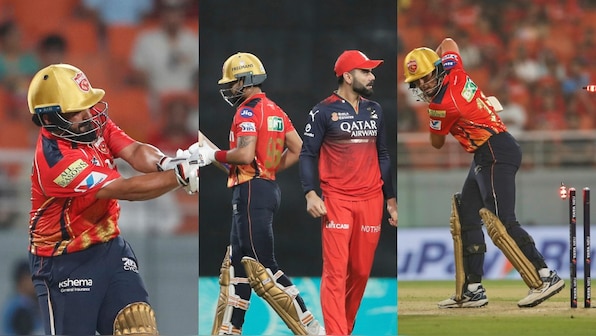
Punjab Kings are built around intent. Mumbai Indians are built around control. Neither philosophy is wrong. But in this matchup, one consistently outperforms the other.
Intent seeks dominance. Control seeks inevitability. Intent wants to force results. Control wants results to arrive. Punjab’s intent often creates early excitement. Mumbai’s control creates late authority. When games tighten, authority matters more than excitement.
Intent-heavy teams tend to feel pressure earlier. Control-heavy teams delay pressure. Delaying pressure increases the chance the opponent makes the first mistake. This rivalry shows that T20 matches are not always won by those who act first, but by those who wait best.
The One Extra Shot That Changes Everything
Most PBKS vs MI matches hinge on one extra attacking decision. Not a collapse. Not a miracle over. Just one shot too many. It usually arrives in overs 12 to 14. Punjab are slightly ahead. The field is spread. A bowler misses once. The temptation appears. “One more boundary and we’re clear.” Mumbai anticipate this moment. Their fields are set for mishits. Their bowlers are not chasing wickets, just pressure.
That one shot often results in a wicket or a slowdown. Momentum shifts quietly. Required rates rise marginally. Panic follows later. Mumbai rarely make that extra gamble. They trust the process. Punjab often don’t. That trust gap is the rivalry.
Mumbai Indians are masters of parity. When games are level, they thrive. When games are chaotic, Punjab often do. Parity means decision-making matters more than skill. Mumbai back repeatable decisions. Punjab back bold ones. Repeatable decisions survive pressure. Bold ones magnify it. Mumbai convert parity into advantage by doing less. Fewer changes. Fewer gambles. Fewer emotional reactions. That restraint compounds. This is not passivity. It is efficiency.
Bowling Plans: Containment vs Disruption
Mumbai bowl to contain first. Punjab bowl to disrupt first. That difference shapes outcomes. Containment keeps run rates manageable and forces batters to take risks themselves. Disruption seeks wickets early but risks releasing pressure.
Against Mumbai, disruption often backfires. Their batters absorb pressure well. Once disruption fails, containment disappears. Mumbai’s bowlers stick to plans longer. Punjab’s often change faster. Faster change signals uncertainty. Batters sense it.
Close games punish half-mistakes. A misfield that saves one run. A dropped half-chance. A late throw. Punjab’s half-mistakes often occur under pressure. Mumbai’s occur with cushion. That timing difference matters. Under pressure, errors multiply. Mumbai exploit them calmly. Punjab feel them emotionally. Fielding is not about brilliance here. It is about not blinking.
Leadership Decisions Under Flat Momentum
Flat momentum phases expose leadership quality. Mumbai captains slow games. Punjab captains try to restart them. Restarting momentum is riskier than protecting calm. Mumbai understand that. Punjab often fight the silence. Silence in T20 cricket is uncomfortable. Mumbai embrace it. Punjab resist it. That resistance creates openings.
Different players. Different venues. Same outcome. That confirms structure, not personnel, drives this rivalry. Mumbai’s system trains patience. Punjab’s rewards impact. Impact shines early. Patience wins late. Until Punjab protect calm as fiercely as they chase momentum, this pattern will persist.
PBKS vs Mumbai Indians is not about who plays better cricket. It is about who plays quieter cricket at the right time. Punjab start with intent. Mumbai finish with control. And in T20s decided by inches, control outlasts intent more often than not. This is not destiny. It is design. And designs can be changed. Until then, the rivalry will keep ending the same way — quietly, tightly, and in Mumbai’s favour.