PBKS vs Mumbai Indians games rarely explode early. Most remain balanced for long stretches. Powerplays often cancel each other out. Totals stay reachable. Required rates remain reasonable. On the surface, nothing looks dramatic. But pressure does not arrive loudly in these contests. It creeps.
Punjab frequently control the game by the tenth over. Their batters rotate strike. Their bowlers hit lengths. Mumbai appear contained, sometimes even stalled. Yet this balance hides an asymmetry. Mumbai are comfortable waiting. Punjab feel the need to act.
This is where margins begin shrinking. A single risky over changes intent. One aggressive option replaces patience. Mumbai read this shift faster. They respond by slowing the game further. Dot balls increase. Singles dry up. Suddenly, Punjab’s advantage exists only on paper.
Even contests magnify decision quality. Every small error carries weight. A mistimed loft. A rushed single. A misjudged field change. Mumbai survive these moments more often. Punjab feel them more sharply. That emotional imbalance, not talent difference, starts shaping outcomes.
The Single Over That Rewrites the Match Script
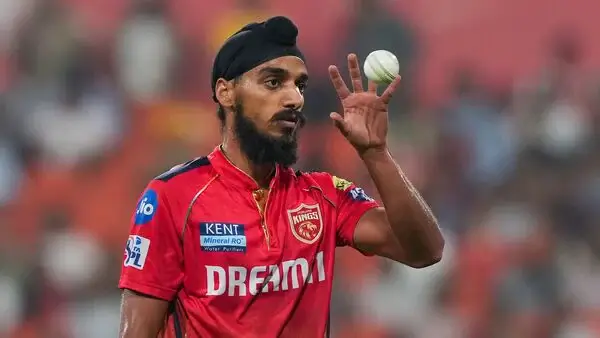
Most PBKS–MI games can be traced back to one over. Not a collapse. Not a burst of boundaries. Just a bad over at the wrong time. It usually arrives between overs 14 and 17. Punjab tries to accelerate. Mumbai senses it coming.
That over might leak 14 runs instead of 9. Or cost a wicket instead of pressure. Statistically, it looks minor. Strategically, it is decisive. Mumbai is an expert at turning one loose over into control. They tighten immediately after. Fielders close in. Bowlers hit hard lengths. Batters are forced into lower-percentage shots.
Punjab often react instead of resetting. They chase the lost over mentally. That chase creates the second mistake. The margin grows from one over to two decisions. By the time the death overs arrive, Mumbai are defending clarity. Punjab are defending hope.
This pattern has repeated across seasons. Different players. Same moment. Same shift. The rivalry’s defining trait is not domination. It is how one team absorbs damage while the other magnifies it.
Dropped Chances and the Cost of One Miss
In close contests, dropped catches are not just errors. They are momentum gifts. PBKS vs MI games have seen several such moments. One chance missed. One batter survives. The game tilts.
Mumbai benefit disproportionately because their batters punish hesitation. A dropped catch does not just add runs. It changes bowling plans. Captains hesitate to attack again. Bowlers shift defensive. That single miss alters two overs that follow.
Punjab’s dropped chances often arrive under pressure. That matters. Pressure tightens hands. Mumbai’s fielding errors tend to occur when they already lead. Punjab’s occur when they are trying to close.
These are psychological margins. They don’t show in scorecards. But they explain why similar talent produces different outcomes. Mumbai’s system cushions errors. Punjab’s magnifies them.
Middle Overs: Where Control Is Lost Quietly
The rivalry is decided less at the death and more before it. Overs 7 to 15 shape the ending. Punjab often score well here. But Mumbai control tempo better.
Mumbai accept lower run rates if wickets stay intact. Punjab push for boundaries to maintain momentum. That difference matters. Mumbai emerge from middle overs with options. Punjab emerge with urgency.
Urgency narrows margins. Shot selection tightens. Risk tolerance increases. Mumbai enter death overs knowing exactly what they need. Punjab enter knowing what they must avoid. That is a crucial distinction.
Leadership Calm Versus Leadership Urgency
Close matches expose leadership styles. Mumbai’s captains slow the game. Punjab’s often try to accelerate it. Neither approach is wrong universally. But in tight contests, calm scales better.
Mumbai leaders trust plans. They wait for mistakes. Punjab leaders try to prevent them. That proactive instinct sometimes creates the very openings Mumbai need. This difference explains repeated late-game outcomes despite changing squads.
Mumbai rotate bowlers conservatively in tight games. One over at a time. Punjab often chase matchups aggressively. That gamble can pay off. Against Mumbai, it often backfires. Mumbai back their best bowlers under pressure. Punjab spread responsibility. In small-margin games, clarity beats flexibility.
Batting Depth and the Illusion of Comfort
Punjab often bat deep. Mumbai bats smart. Depth creates comfort. Comfort reduces urgency early but increases it late. Mumbai manage resources better across phases. When margins are thin, sequencing matters more than power.
Regular viewers sense the shift before scoreboards show it. When Punjab slow unexpectedly or loses a soft wicket, the ending feels familiar. That pattern recognition is earned through repetition. This is not superstition. It is structural memory.
“PBKS lose control late” did not come from one match. It emerged from dozens of small margins stacking the same way. Even contests. Same finish.
Until Punjab learn to defend calm instead of chase momentum, this narrative will persist. Not because Mumbai are better. But because they are steadier when games are decided by inches.
Scoreboard Pressure vs Situation Pressure
In PBKS vs Mumbai Indians matches, the scoreboard often lies. Punjab can be 10 runs ahead. Sometimes 15. Occasionally even 20. Yet the situation feels tilted. That difference matters. Scoreboard pressure is numerical. Situation pressure is psychological. Mumbai read the second better.
Punjab frequently evaluate games by required rate. Mumbai evaluate by dismissal risk. When wickets are intact, Mumbai stay calm even if the equation looks tight. Punjab, seeing a narrowing window, try to force separation early. That is where margins erode.
This is why Punjab-led games suddenly feel fragile. The batting side senses urgency earlier than needed. A calculated single becomes a risky second. A rotation plan turns into a boundary hunt. Mumbai benefit because they are comfortable defending small disadvantages.
Situation pressure also affects bowlers. Punjab bowlers under scoreboard advantage try too hard to “finish” overs. They search for wickets instead of continuing control. Mumbai bowlers, even when slightly behind, focus on containment. They trust the long game.
In even contests, the team that divorces emotion from numbers survives longer. Mumbai do that consistently. Punjab rarely do it for full innings. That difference does not show in statistics. It shows in endings.
Field Placements That Signal Panic or Patience
Field settings in tight PBKS vs MI games often reveal the outcome before it arrives. Mumbai’s fields shrink slowly. Punjab’s fields change suddenly. That contrast tells a story.
When Mumbai feel pressure, they bring fielders in by inches, not steps. One fielder moves. One angle changes. The message to the bowler remains simple. Hit the plan. Punjab, sensing momentum slipping, often overhaul fields quickly. Sweeper goes out. Catcher comes in. Confusion follows.
Frequent field changes signal uncertainty to bowlers. Bowlers then overthink. Lengths drift. Pace varies unintentionally. Mumbai batters notice immediately. They wait. They do not attack the field. They attack the hesitation.
Punjab’s fielding intensity also dips subtly in these moments. Not dramatically. Just enough. Half-steps slower. Throws slightly wider. Mumbai convert those half-errors into singles that break rhythm.
Close games reward predictability. Mumbai’s fielding remains predictable under stress. Punjab’s becomes reactive. That is why dropped chances and misfields tend to cluster late rather than appear randomly.
Death Overs Are Decided Before They Begin
The myth is that PBKS vs MI games are decided in the last two overs. The truth is harsher. By the time death overs arrive, the result is already leaning. What happens earlier determines how much freedom exists later.
Mumbai enter death overs with clear roles. One batter anchors. One attacks. One bowler defends. Punjab often enter still searching for the best option. That delay costs balls. Balls cost runs.
If Punjab are bowling, their death options are often pre-used. Best bowlers return tired. If batting, key hitters arrive needing to hit immediately. Mumbai plan to avoid this squeeze. Punjab fall into it.
Death overs punish uncertainty. Mumbai rarely look uncertain. Even when plans fail, they fail decisively. Punjab hesitate between aggression and caution. That hesitation eats deliveries. This is why finishes look similar across seasons. Different names. Same squeeze. Same outcome.
Why This Pattern Persists Despite Squad Changes?
Punjab Kings have changed captains. Changed coaches. Changed cores. Mumbai Indians have evolved too. Yet the late-game pattern survives. That confirms this is not personnel-driven. It is structural.
Mumbai’s system teaches patience under pressure. Punjab’s culture rewards impact. Impact is visible. Patience is invisible. But in tight games, invisible skills decide outcomes.
New players entering Punjab often adapt to existing urgency rather than change it. Mumbai players adapt to structure. That difference compounds over seasons. Eventually, it becomes narrative memory.
Opponents sense it. Fans sense it. Players sense it. Once a pattern is felt, it becomes harder to escape. Punjab are not inferior. They are trapped in expectation. Mumbai are free from it.
Until Punjab learn to protect calm as fiercely as they chase momentum, even contests will keep ending the same way. Not loudly. Quietly. By inches.