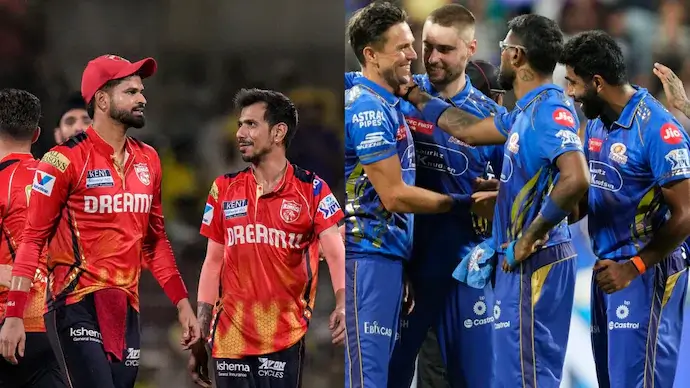
The Punjab Kings versus Mumbai Indians rivalry has never followed a predictable script. Unlike traditional rivalries driven by legacy or titles, this matchup is shaped by moments within matches rather than outcomes alone. Small passages of play repeatedly decide contests between these two sides.
Over the years, Punjab Kings and Mumbai Indians have produced games where momentum shifts abruptly. Matches swing within four or five overs. Teams that control these windows usually walk away with points.
This article breaks down why PBKS vs MI games unfold this way. It explores tactical phases, psychological pressure, and recurring patterns that keep this rivalry unusually close, season after season.
Why PBKS vs MI Matches Are Rarely One-Sided?

PBKS vs MI fixtures rarely allow comfort. Even when one side dominates early, the other often claws back through a single decisive phase. This pattern exists because both teams approach games with flexible strategies rather than rigid templates.
Mumbai Indians rely on absorbing pressure before striking decisively. Punjab Kings prefer disrupting rhythm early, even at the cost of consistency. These contrasting approaches create tension rather than control.
As a result, matches stay alive longer. Neither side fully shuts the door. Small errors become decisive because margins remain narrow deep into contests. This dynamic explains why so many PBKS vs MI games go down to the final overs. The rivalry thrives on instability. Teams that handle chaos better usually win.
The PowerPlay Battle That Quietly Shapes Outcomes
The PowerPlay rarely decides PBKS vs MI games outright. Instead, it plants seeds for later phases. Punjab Kings often look to force momentum early, targeting new-ball bowlers aggressively. Mumbai Indians respond by limiting damage rather than chasing wickets.
This difference in intent creates uneven scorecards. PBKS may start fast but lose structure. MI may start slow but preserve options. Neither approach is inherently superior. Execution decides value.
What matters more is damage control. Teams that exit the PowerPlay with wickets intact usually control the middle overs. Those who lose early wickets chase momentum later and fall into traps. This phase rarely delivers drama. Its impact is felt much later.
Middle-Overs Pressure: Where PBKS vs MI Games Turn
Most PBKS vs MI matches hinge on overs 7 to 15. This is where run rates stall, impatience grows, and captains test instincts. Mumbai Indians traditionally manage this phase with discipline. Punjab Kings often look for disruption.
Spin usage becomes critical here. Field placements tighten. Batters forced into low-risk cricket often make unforced errors. The team that reads this phase better usually controls the endgame.
Punjab Kings have frequently lost momentum here despite strong starts. Mumbai Indians have often recovered matches by choking runs rather than taking wickets. This phase separates planning from reaction. Calm usually beats aggression.
Death Overs: Why Execution Matters More Than Firepower
PBKS vs MI death overs are rarely about raw hitting. They are about clarity. Teams that know their finishing roles execute better under pressure. Mumbai Indians have historically thrived here because responsibilities are clearly defined.
Punjab Kings, by contrast, have often relied on individual brilliance. When it clicks, results follow. When it doesn’t, collapses look sudden.
Bowling execution also plays a huge role. Yorkers, slower balls, and field awareness decide outcomes. Errors here are magnified because margins remain tight. This rivalry rewards discipline over spectacle.
Captaincy Instincts That Define the Match Flow
PBKS vs MI games often turn on captaincy calls rather than tactical plans. Bowling changes, field placements, and risk-taking decisions shape momentum more than pre-match strategy.
Mumbai Indians captains tend to trust patterns. Punjab Kings captains often trust instinct. Both approaches carry risk. Success depends on timing.
A single over bowled at the wrong moment can undo ten overs of control. Conversely, a bold call can flip pressure instantly. These matches reward captains who read body language well. Leadership clarity frequently becomes the hidden difference.
Why Familiarity Increases Mistakes in This Rivalry?
Players know each other well in PBKS vs MI contests. That familiarity creates anticipation — but also hesitation. Bowlers expect certain shots. Batters expect certain plans.
When teams rely too heavily on memory, predictability creeps in. The side that breaks pattern first usually gains advantage. This is why surprise bowling changes and unexpected batting orders often work here. Familiarity narrows margins. Innovation widens them.
The Role of Pressure on Punjab Kings’ Middle Order
Punjab Kings often enter the middle overs with expectation rather than freedom. That pressure affects decision-making. Shots get forced. Rotations slow down.
Mumbai Indians exploit this patiently. They don’t chase wickets aggressively. They wait for errors. This approach has undone PBKS multiple times in close contests.
Middle-order composure remains a key difference between the sides. Until PBKS solve that, results will continue swinging late.
Mumbai Indians rarely panic. Even when behind the game, their tempo remains steady. This psychological strength matters greatly against PBKS, who often thrive on emotional momentum.
MI’s calm frustrates aggressive teams. It forces opponents to take extra risks. That often leads to mistakes during crucial phases.
This composure is not accidental. It comes from systems, not individuals. PBKS have occasionally matched it — but not consistently.
Why This Rivalry Continues to Deliver Tight Finishes?
PBKS vs MI remains compelling because neither side dominates the other tactically. Styles clash. Philosophies collide. Matches stay alive until late.
The rivalry is defined by phases, not personalities. Teams that control more phases usually win — but rarely all of them. That imbalance keeps contests open.
As long as both sides maintain flexible approaches, this matchup will continue producing close games. Predictability has never been its feature.
Punjab Kings vs Mumbai Indians is not about history or hype. It’s about timing. About winning the right four overs rather than the whole match.
This rivalry rewards awareness, patience, and execution. It punishes panic instantly. That’s why it remains one of the IPL’s most competitive fixtures. For fans, it guarantees tension. For teams, it demands precision. And that’s exactly why it matters.