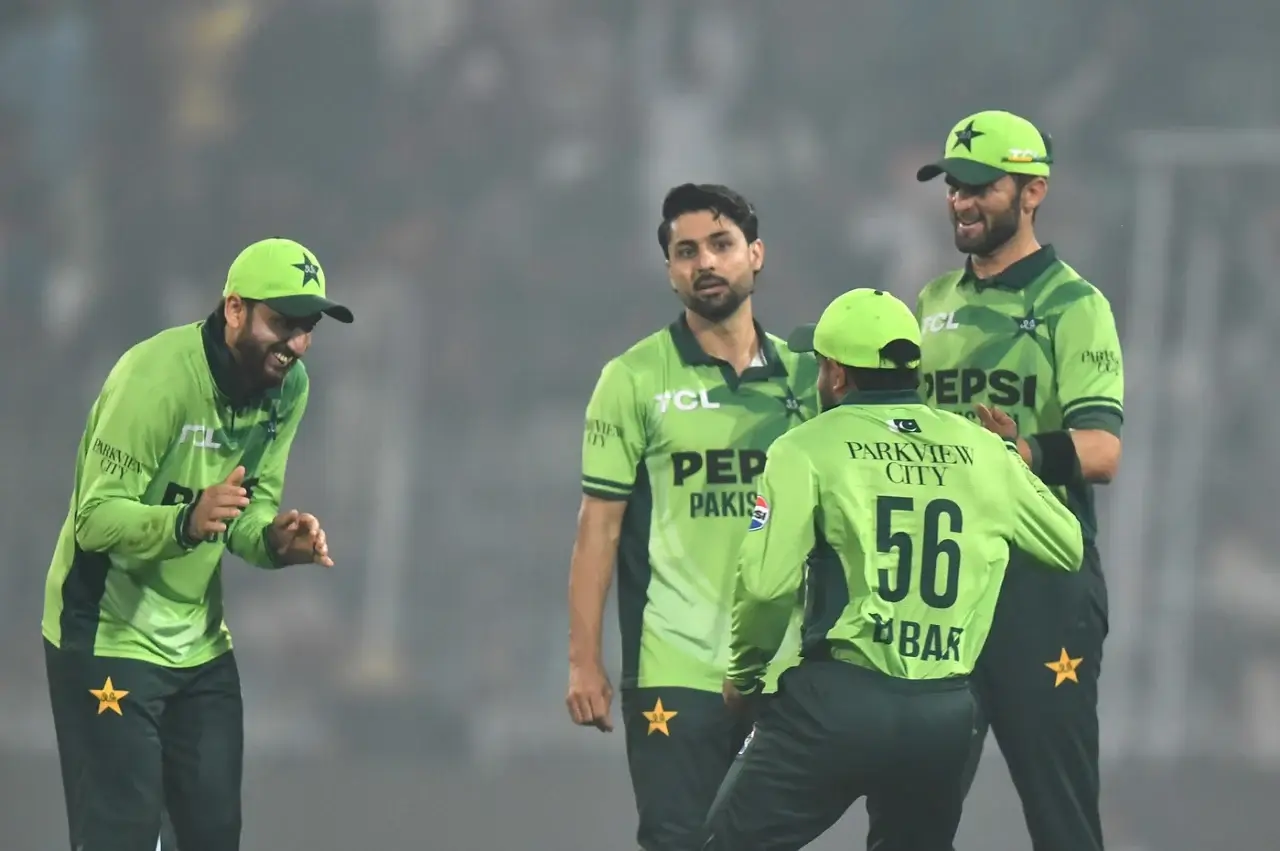
Pakistan’s World Cup opener against the Netherlands was never meant to be dramatic. On paper, it was a mismatch. In reality, it became a reminder of why Pakistan remains cricket’s most unpredictable force. The match oscillated between control and collapse, clarity and confusion, before ending in familiar relief.
This was not just a thriller and it was a case study. It showed how Pakistan can dominate phases while sabotaging others, and why teams like the Netherlands are no longer passengers at global events. Pakistan won the match. But they also exposed themselves. That combination makes this game important beyond two points. It revealed patterns that will return later in the tournament.
Netherlands’ Powerplay Was Built on Clarity, Not Caution
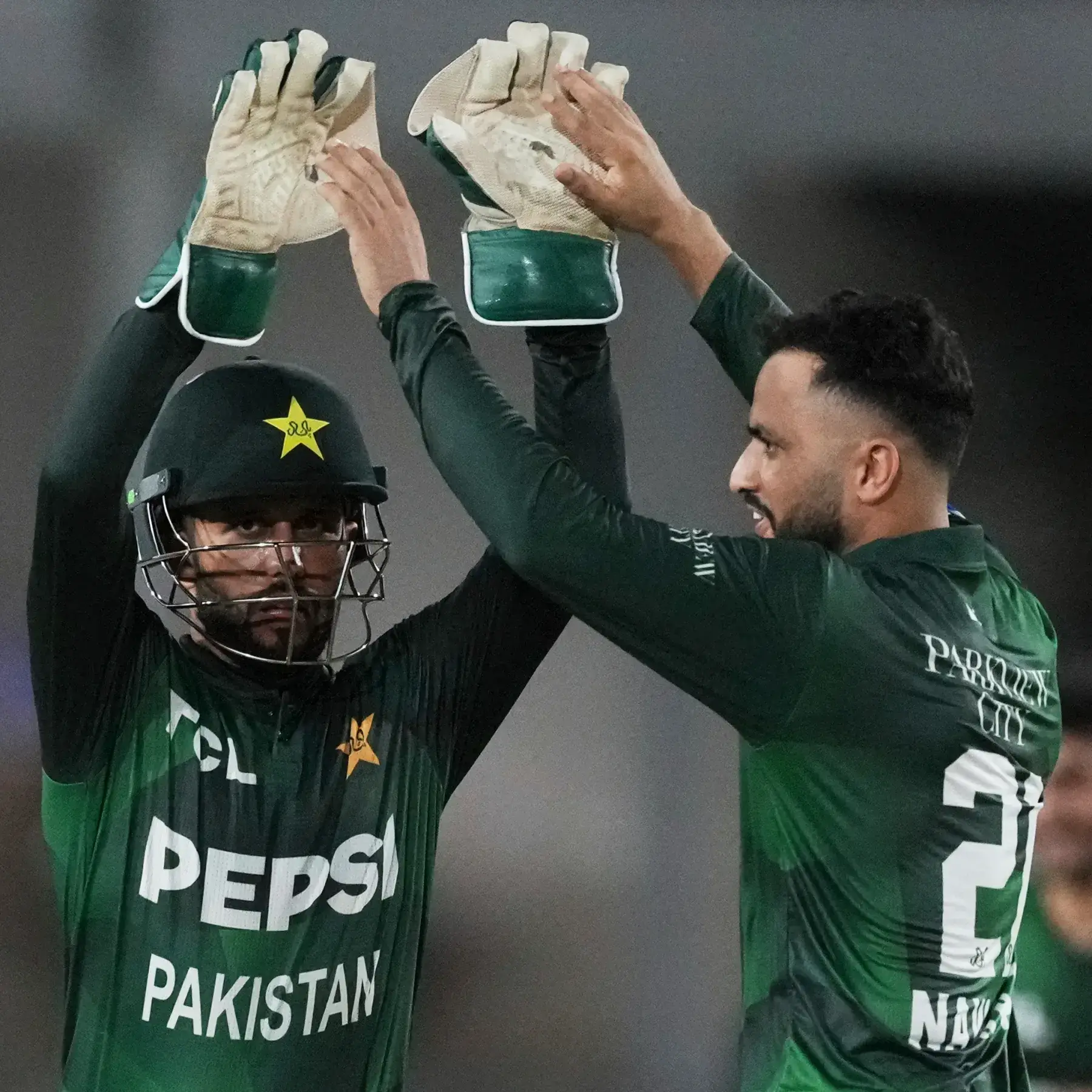
Netherlands began the match with a mindset that surprised Pakistan. There was no visible fear. No early collapse. Their powerplay was structured around intent with restraint. They picked scoring areas early and trusted them.
Singles were prioritised. Risk was calculated. Boundaries came through placement rather than power. This prevented Pakistan from building early pressure. It also disrupted default bowling plans.
By avoiding desperation shots, Netherlands forced Pakistan to bowl full spells. That matters in T20 cricket. Bowlers prefer quick breakthroughs. When they do not arrive, frustration builds.
The Dutch batters also read conditions well. The pitch offered less swing than expected. Instead of waiting for mistakes, they targeted lengths that allowed access to gaps. This pushed Pakistan’s fielders wider and loosened control.
Reaching fifty inside the powerplay without drama was symbolic. It established belief. More importantly, it removed Pakistan’s biggest weapon: early chaos.
This phase laid the foundation for what followed. Netherlands were not chasing miracles. They were constructing an innings.
The Middle Overs Exposed Pakistan’s Adaptability
Pakistan’s response came not through aggression, but adjustment. When pace did not deliver control, spin entered earlier than expected. This showed preparation rather than panic.
The bowling unit recognised grip in the surface. Finger spinners were introduced. Fields tightened. Singles became harder. Pressure returned slowly.
What stood out was variety. Pakistan did not rely on one bowler. This adaptability is one of Pakistan’s greatest strengths. Even when a frontline bowler has an off spell, alternatives exist. That depth separates them from many teams.
The middle overs became a slow squeeze. Netherlands continued to rotate, but boundaries dried up. The asking rate rose quietly. By the fifteenth over, Pakistan had regained influence. The match was back in balance.
Two Overs That Collapsed the Netherlands Innings
The turning point came swiftly. From stability, Netherlands fell into chaos. Two overs produced three wickets. Momentum evaporated. This was Pakistan at their ruthless best. Fields were aggressive. Lines were straighter. Batters were forced to create shots.
Once uncertainty crept in, execution faltered. Shots that earlier found gaps now found hands. The innings lost shape. This collapse was not accidental. Pakistan identified hesitation and attacked it.
The final total of 147 reflected those lost moments. It was not a poor score, but it was below potential. Netherlands had left runs behind.nThat gap would matter later.
Pakistan’s Chase Began with Authority and Structure
Pakistan’s response with the bat was composed. Early intent removed pressure. The chase was paced deliberately. Boundaries came early. Rotation remained consistent. The required rate never threatened. At 98 for 2 after eleven overs, the game appeared settled. This phase showed Pakistan’s batting depth and comfort. Shot selection was sensible. Risk was controlled.
At this moment, Pakistan were playing ideal T20 cricket. They had absorbed pressure and reversed it. Unfortunately, this comfort became a problem.
The Psychological Shift That Triggered Collapse
When a chase feels complete too early, Pakistan often lose clarity. That pattern repeated here. Instead of managing the remaining runs, batters rushed. Boundaries were attempted unnecessarily. Singles were ignored. This created pressure where none existed. Netherlands sensed the shift instantly. Energy lifted. Belief returned.
Five wickets fell quickly. None were forced by extraordinary bowling. They came from impatience. This is where Pakistan’s greatest vulnerability lies. Emotional acceleration without necessity. The scoreboard still favoured them. The mindset did not.
Netherlands Used Discipline to Manufacture Pressure
Credit must be given to Netherlands. They did not panic. They slowed the game deliberately. Bowlers attacked the stumps. Fields were tightened. Easy runs vanished. Each over became a challenge.
Pressure grew ball by ball. The crowd felt it. The dugout felt it. At 29 required off 12 balls, the impossible felt possible. Netherlands had dragged Pakistan into unfamiliar territory. Discipline creates opportunity.
The match hinged on one delivery. A miscue. A high catch. A dropped chance. That moment shattered Netherlands’ momentum. It released Pakistan mentally. These moments decide tournaments. Not dominance. Not talent. Margins. Once Pakistan survived, the game tilted irreversibly.
Faheem Ashraf’s Finishing Was About Control
Given a second life, Faheem Ashraf responded with calm execution. He did not rush. He trusted his strengths. Boundaries followed. Pressure reversed. Netherlands lost control. This was finishing built on clarity, not brute force. Faheem read length early. He committed fully. In high-pressure moments, decision-making outweighs skill. Faheem delivered both.
This opener revealed Pakistan’s ceiling and their fault lines. They can dominate phases. They can self-destruct quickly. Against weaker ones, they may escape. The key will be emotional management. Slowing down when the game allows it. If Pakistan learn from this, they remain dangerous contenders. If not, chaos will return.
Pakistan won their opener. But they also warned themselves. This was not just a thriller. It was a mirror. It showed what Pakistan are capable of, and what they must control. The T20 World Cup has begun with drama. And Pakistan, as always, are right at its heart.