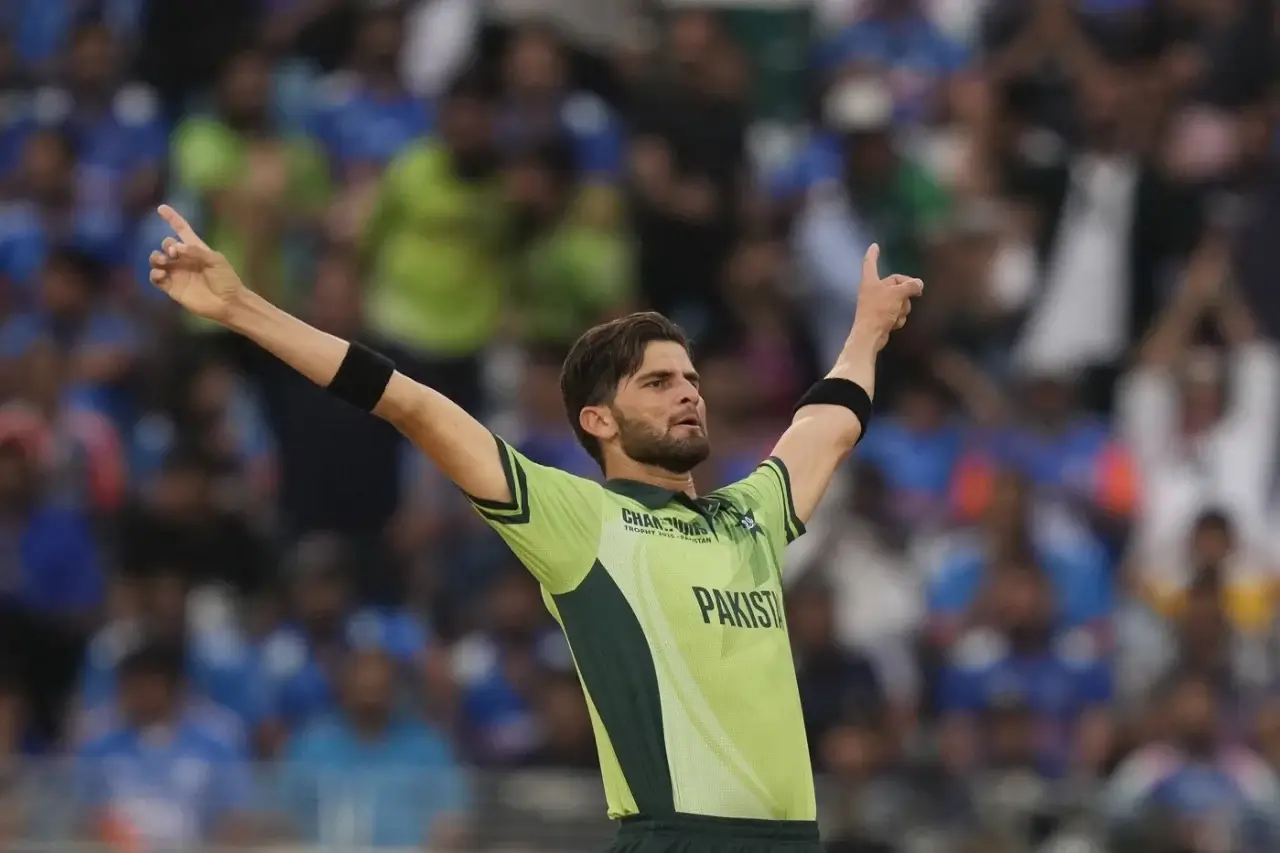
Pakistan’s T20 World Cup campaign has found its rhythm. After flirting with danger against Netherlands in their opener, they responded with clarity, discipline, and authority against USA in Colombo. This was not a chaotic escape. This was control from start to finish.
From the moment Pakistan were asked to bat first, intent was balanced with structure. Their total of 190 was not just built on power, but on understanding conditions. The response with the ball was even more telling. Spin choked the game. Pace was used sparingly. USA were never allowed momentum for long in the timeline against Pakistan.
This win pushed Pakistan to two wins from two. More importantly, it showed learning. The ghosts of collapses past were replaced by method. The urge to overwhelm was replaced by patience.
This article breaks down how Pakistan built the win, why USA struggled to stay in touch, and what this performance reveals about Pakistan’s evolving tournament identity.
Sahibzada Farhan Set the Tone with Controlled Aggression
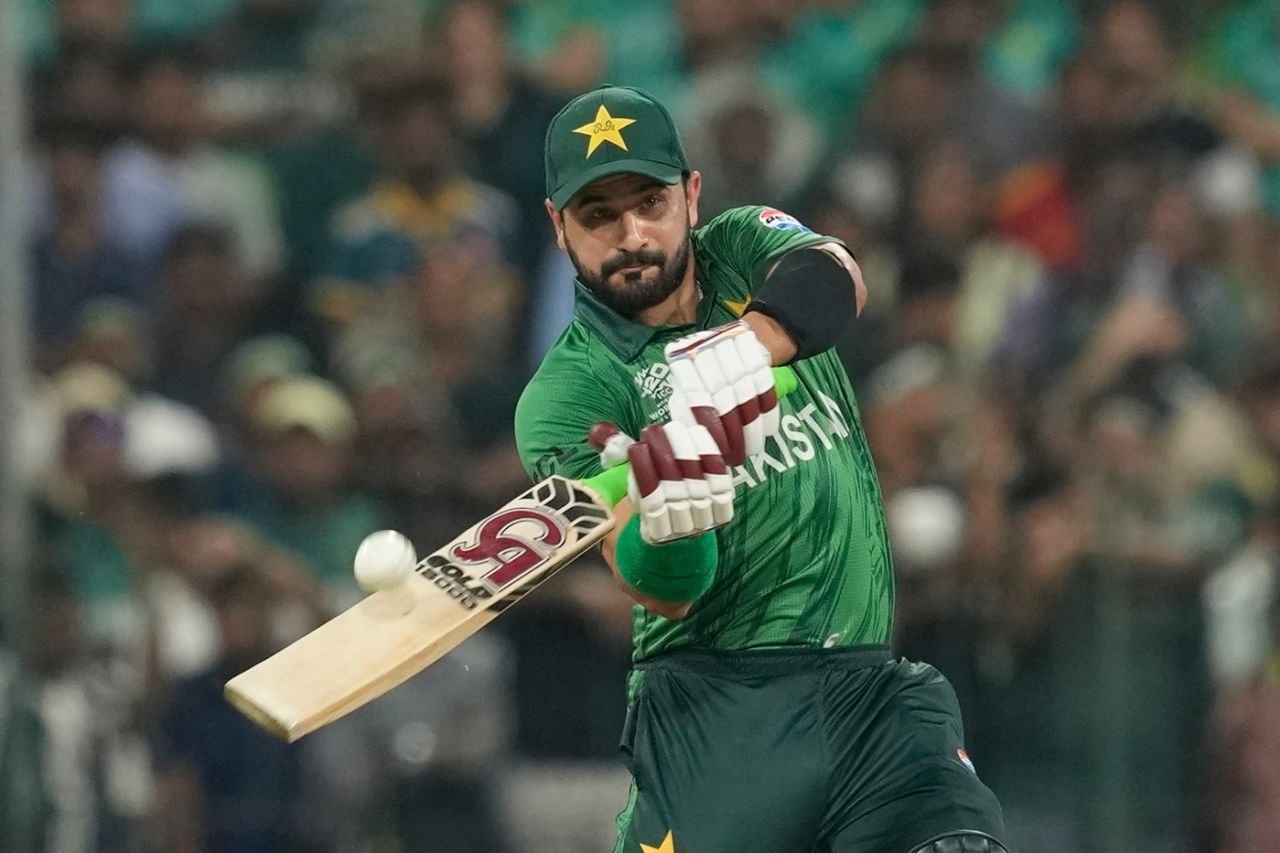
Pakistan’s innings found direction early through Sahibzada Farhan. His approach in the powerplay was decisive without being reckless. Where Pakistan have often lurched between extremes, Farhan provided balance.
He attacked the bad balls immediately. He respected the good ones. That clarity allowed Pakistan to accelerate without panic. Against a new-ball attack still searching for consistency, Farhan’s strokeplay forced fields back early.
His fifty came off just 27 balls, but what stood out was the manner. There was no slogging. Shots were clean. Gaps were found square of the wicket. USA’s bowlers were never allowed to settle.
Even as wickets fell around him, Farhan continued to operate within his rhythm. That stability prevented the innings from fragmenting. When he eventually fell trying to push the total further, his job was already done.
This was a powerplay innings with purpose. It gave Pakistan a platform rather than just a surge.
USA’s Early Breakthroughs Could Not Disrupt Pakistan’s Plan
USA did find moments of encouragement. Shadley van Schalkwyk once again proved effective, removing Saim Ayub and Salman Ali Agha in quick succession.
Those wickets briefly slowed Pakistan. The scoring rate dipped. The middle overs demanded adaptation. This was where Pakistan’s maturity showed.
Instead of forcing momentum, they absorbed pressure. Singles were prioritised. Risk was delayed. The innings bent, but it did not break.
USA’s bowlers tried to squeeze. Fields tightened. But the lack of sustained pressure allowed Pakistan to reset. This phase mattered because it showed restraint. Pakistan did not chase dominance every over. They waited for it. That patience would pay off later.
Babar Azam Shifted Gears at the Perfect Moment
Babar Azam’s innings told a familiar story with a new ending. He started slowly. He searched for rhythm. Early boundaries were scarce. In the past, such starts have drawn criticism. This time, they served a purpose. Babar anchored the innings while conditions were assessed. When the moment arrived, he shifted decisively.
The 13th over changed the match. Babar targeted spin with authority, taking Harmeet Singh for a six and two fours. That burst broke USA’s control phase. He had tilted momentum back decisively. This was situational batting. Not flashy. Not dominant. But deeply effective.
Shadab Khan’s Late Blitz Elevated Pakistan to 190
The final overs often decide whether a total is competitive or commanding. Shadab Khan ensured Pakistan crossed that line. His 12-ball 30 was brutal. Clean striking. Minimal fuss. A hat-trick of boundaries off Ehsan Adil swung the game sharply.
Wickets continued to fall at the other end, but Shadab’s clarity never wavered. He targeted one bowler. One area. One plan. Pakistan lost five wickets late. But they gained twenty extra runs. That trade-off favoured them heavily. Reaching 190 on a surface that slowed later was decisive. It forced USA into risk immediately.
Pakistan’s Spin Strategy Defined the Second Innings
Pakistan’s bowling plan was bold and intelligent. That decision reflected reading of conditions, not convention. Spin offered grip. Bounce was variable. Pace risked release.
From the powerplay onward, spinners tightened the game. Mohammad Nawaz, Shadab, and Usman Tariq suffocated scoring. USA were forced into low-risk shots. Boundaries dried up. Asking rates ballooned. This was proactive captaincy. Pakistan did not wait for errors. They created them.
USA’s Chase Started Brightly but Lost Shape Quickly
USA began with promise. Shayan Jahangir attacked early. Boundaries came. The crowd sensed a contest. That optimism faded quickly. Once spin took over, rhythm disappeared. From 50 for 1, USA managed just 18 runs across the next four overs.
Dot balls piled up. Pressure mounted. Wickets followed. This collapse was not dramatic. It was gradual. And that made it more damaging. USA never fully recovered.
Usman Tariq’s Control Was the Silent Match-Winner
Playing his first match of the tournament, Usman Tariq delivered control rather than flash. His 3 for 27 does not capture the full impact. Batters struggled to line him up. Most importantly, he bowled at moments when USA needed momentum. Each over he delivered tightened the game further.
By the time USA tried to counterattack, the asking rate was unreachable. This was tournament bowling. Calm. Repeatable. Effective. Shubham Ranjane fought hard. His fifty showed intent and pride. A brief burst against Shaheen Afridi hinted at possibilities. Required rates crossed twenty per over. Partners fell. Options disappeared. Late resistance without platform is symbolic, not transformative. USA showed heart. Pakistan showed planning.
What This Win Says About Pakistan’s Tournament Trajectory?
This win mattered beyond points. It showed correction. Pakistan identified flaws from the opener and addressed them immediately. Batting was paced. Bowling was structured. Leadership was decisive.
If Pakistan continue playing with this balance, they become serious contenders. Not just dangerous ones. Two wins from two. More importantly, two very different wins. That variety is a sign of growth.
Pakistan did not just beat USA. They controlled them. This performance blended intent with intelligence. It replaced chaos with clarity. If this is the version Pakistan carry forward, the rest of the tournament will take notice.