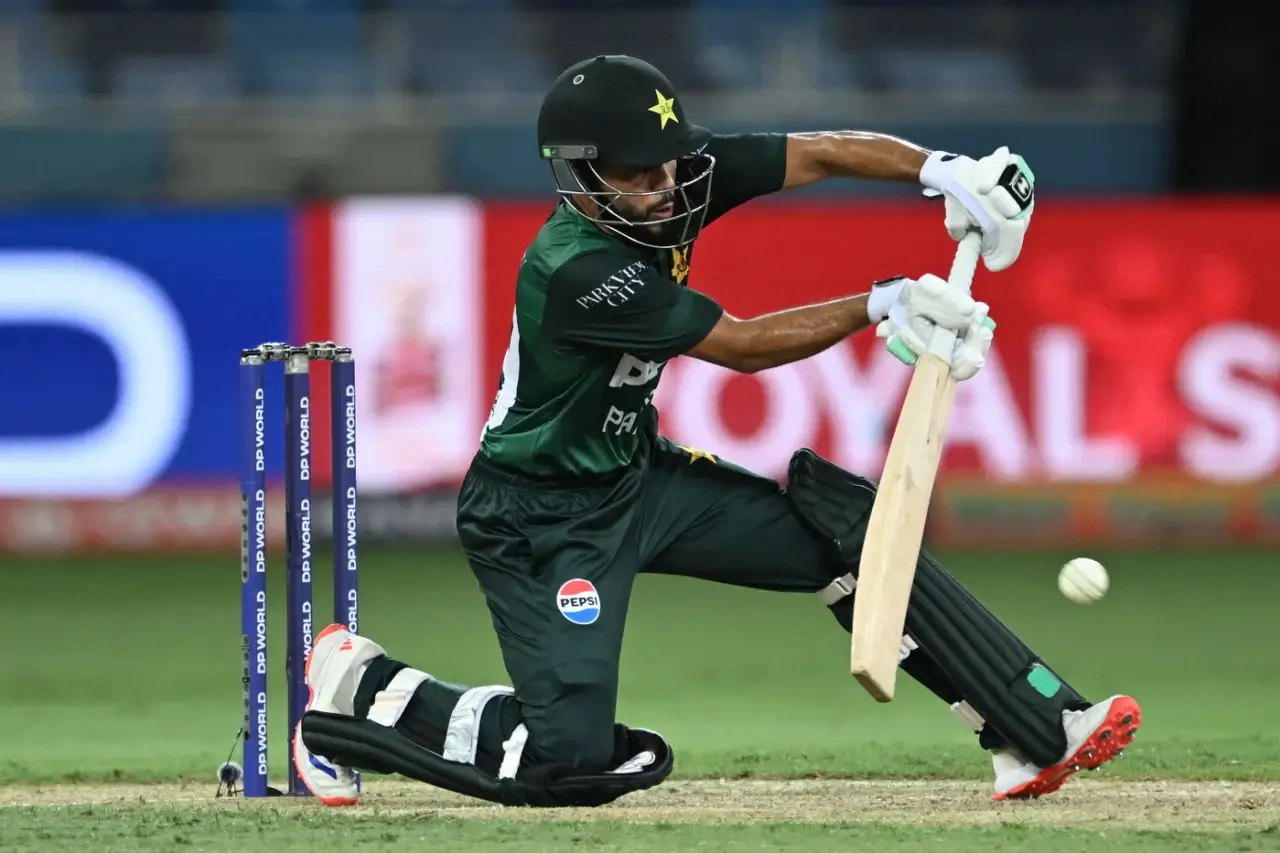
Pakistan delivered a statement win when it mattered most. Facing Namibia in a must-win clash, they produced a performance full of authority and control. Captain Salman Agha described it as a “complete performance,” and the numbers backed him completely. After early tournament setbacks, especially the loss to India, Pakistan needed clarity and confidence.
They found both in this match. The team batted with discipline and finished aggressively. Then the bowlers dominated every phase of Namibia’s chase. The 102-run victory was not just about qualification. It was about restoring belief inside the dressing room.
Pressure can break teams in ICC events. Pakistan instead responded with structure and intent. Every department contributed. That balance is what Agha highlighted most after the match.
For a team that has struggled with consistency in recent ICC tournaments, this win could prove pivotal. It showed planning, execution, and hunger — three things required to go deep in global tournaments.
Table of Contents
ToggleSahibzada Farhan’s Hundred Sets the Tone

Sahibzada Farhan produced a brilliant century under immense pressure. It was Pakistan’s second-ever hundred in T20 World Cup history. His innings transformed the game. Early caution shifted into calculated aggression as he built partnerships through the middle overs.
Farhan has been in strong form over the past six months. This innings confirmed his growth at the international level. He paced the knock perfectly, accelerating once set and targeting weaker matchups. His boundary percentage increased dramatically after the powerplay.
Importantly, he handled pressure calmly. Pakistan were not flying early. But Farhan absorbed pressure and rotated strike before launching later. His shot selection was controlled and mature.
This century may define his international career. It came in a must-win game and lifted the team to 199 — their second-highest T20 World Cup total. That score effectively sealed Namibia’s fate before the chase began.
Pakistan’s Middle-Over Partnerships
The foundation of 199 was built through structured partnerships. Pakistan began steadily in the powerplay. However, the real momentum shift came in the middle overs. Farhan found support at the other end, ensuring wickets did not fall in clusters.
Strike rotation became the key factor. Instead of chasing risky boundaries, Pakistan pushed singles and twos. That reduced scoreboard pressure. Once the platform was ready, they attacked in the final overs.
The finishing burst added crucial runs. Pakistan scored heavily in the last four overs. That late acceleration pushed Namibia completely out of the contest.
This template is crucial moving forward. In modern T20 cricket, middle-overs stability often defines totals. Pakistan showed they can now build before exploding. That balance is essential heading into tougher Super Eight fixtures.
Spin Dominance Dismantles Namibia
Pakistan’s spinners crushed Namibia’s chase. Shadab Khan and Mohammad Nawaz combined for seven wickets. They attacked with discipline and confidence. The pair exploited pitch grip and variable bounce.
Namibia never adjusted. Their batters struggled to read spin variations. Wrong’un deliveries created confusion and forced mistimed shots. The pressure built quickly.
Spin control in Sri Lankan conditions is critical. Pakistan clearly trust their spin-heavy strategy. They bowled more spin than pace again. The results justified that plan completely.
The bowling display reflected tactical clarity. Field placements were sharp. Bowling changes were proactive. Namibia’s chase faded rapidly.
Against stronger opponents, spin depth could become Pakistan’s biggest weapon. This match confirmed their bowling identity heading into the Super Eight stage.
Usman Tariq’s Breakthrough Spell
Usman Tariq emerged as the surprise package. He finished with four for 16 and dismantled the middle order. Namibia’s control percentage against him was just over fifty percent. That shows how uncomfortable they were.
His variations stood out. The googly proved especially lethal. Two batters were clean bowled attempting to read the spin. Others miscued lofted shots under pressure.
Captain Agha praised Tariq strongly after the match. He described him as difficult to pick even in the nets. That unpredictability is valuable in T20 cricket.
Tariq’s spell may change Pakistan’s bowling hierarchy. In tournaments, breakout performers often define campaigns. If he sustains this form, he could become Pakistan’s X-factor in crucial matches ahead.
Pakistan’s Spin-Heavy Strategy Explained
Pakistan have leaned heavily on spin this tournament. Across four games, they have bowled significantly more spin than pace. In some matches, only one specialist fast bowler featured.
This decision reflects conditions. Sri Lankan surfaces favor turn and grip. Agha believes the team has enough allrounders and match-winning spinners. That reduces reliance on pace in middle overs.
Critics questioned the lack of seam options. However, results suggest the strategy works so far. The team trusts adaptability over convention.
Still, tougher opponents will test this balance. Facing New Zealand, England, and Sri Lanka will require tactical flexibility. Pakistan may need pace variation at death overs.
For now, though, the spin depth gives them confidence. It remains their primary strength heading into the next round.
Mental Strength After India Defeat
The loss to India created immense external pressure. Media scrutiny increased sharply. Questions about tournament survival emerged quickly.
Pakistan answered those doubts on the field. The Namibia win was not just about points. It was about emotional reset. The team looked composed and clear in execution.
Captaincy decisions were calm. Fielding intensity improved noticeably. Body language remained positive even early in Namibia’s chase.
Momentum matters in short tournaments. This win gives Pakistan psychological breathing space. Instead of survival mode, they now shift into competitive mode for the Super Eight.
Handling adversity separates contenders from participants. Pakistan showed resilience and internal unity when stakes were highest.
Super Eight Challenge Ahead
The Super Eight stage presents a major test. Pakistan will face New Zealand, England, and Sri Lanka. Each side offers a different tactical challenge.
New Zealand bring discipline and structure. England bring explosive batting depth. Sri Lanka understand local conditions deeply.
Pakistan must replicate this balanced performance. Batting stability, spin dominance, and sharp fielding will be essential. They cannot afford slow starts or sloppy middle overs.
If Farhan continues his form and Tariq sustains control, Pakistan can compete strongly. But adaptability will define progress. Tournament cricket demands quick adjustments. This stage is where campaigns are truly defined. Pakistan now enter it with momentum and renewed belief.
Can Pakistan Sustain This Momentum?
Consistency has been Pakistan’s long-term challenge in ICC events. One dominant performance must now translate into repeatable standards.
The structure seen against Namibia was promising. Top-order stability, middle-overs control, spin aggression, and confident leadership combined well.
Key questions remain. Can the spin-heavy approach succeed against stronger batting lineups? Will pace options step up if required? Can the batting unit adapt to different conditions?
The answers will emerge soon. For now, Pakistan have regained control of their campaign. The Super Eight offers opportunity and pressure equally.
If they replicate this complete performance regularly, they can push deep into the tournament. The foundation has been laid. The real examination now begins.