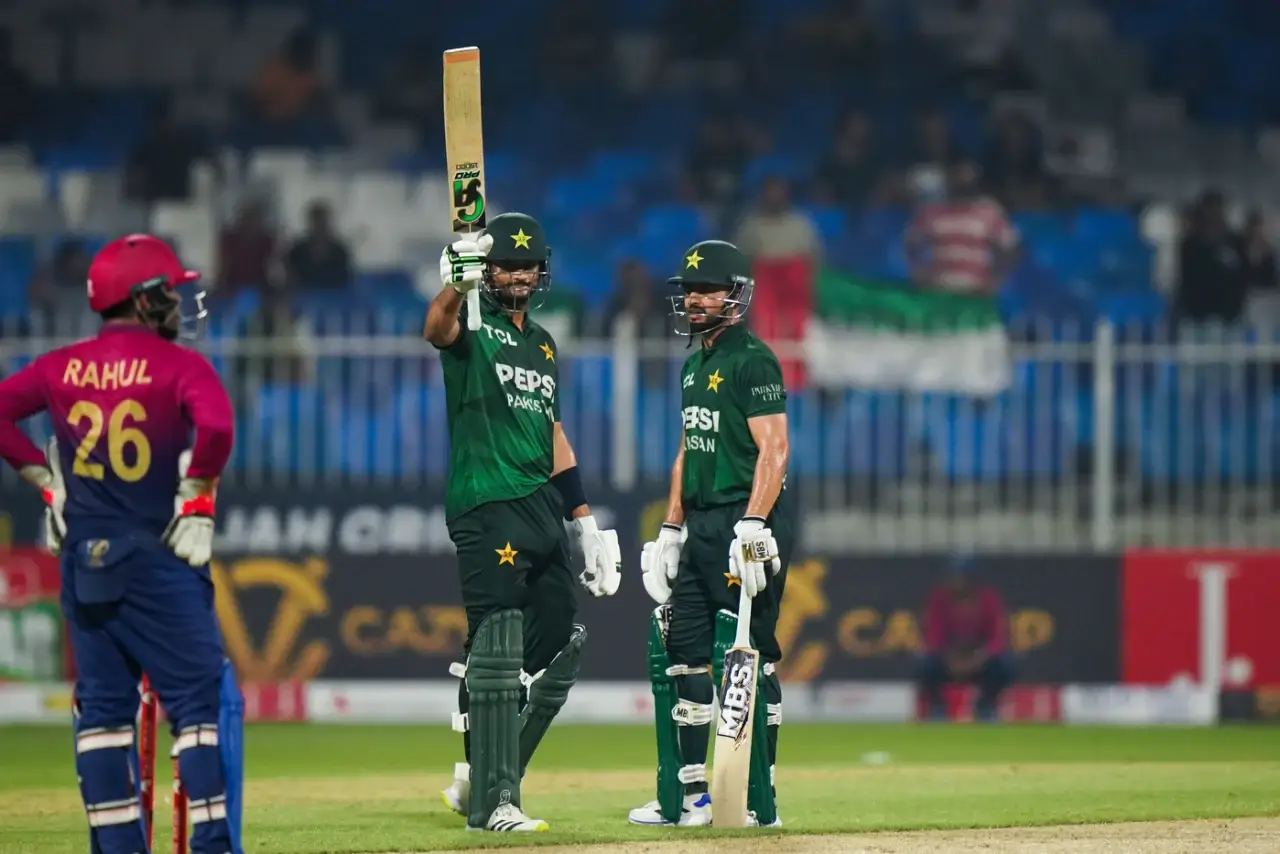
Pakistan cricket rarely follows logic. It follows emotion, momentum, and sudden swings. That truth was reinforced again in Colombo. What should have been a comfortable opening win became a nerve-shredding thriller. Pakistan started the T20 World Cup exactly as people expected. Not with dominance, but with drama.
Against Netherlands, Pakistan showed two versions of themselves. One was calm, skilful, and adaptable. The other was frantic, rushed, and self-destructive. Both versions existed within the same match. Sometimes within the same over.
This game was not about talent gaps. It was about temperament shifts. Netherlands played with clarity. Pakistan played with instinct. When those instincts aligned, they looked unbeatable. When they did not, chaos followed.
By the end, Pakistan won. But the journey mattered more than the result. This was the World Cup’s first true thriller. And it carried Pakistan’s unmistakable signature.
Netherlands Built a Platform with Discipline
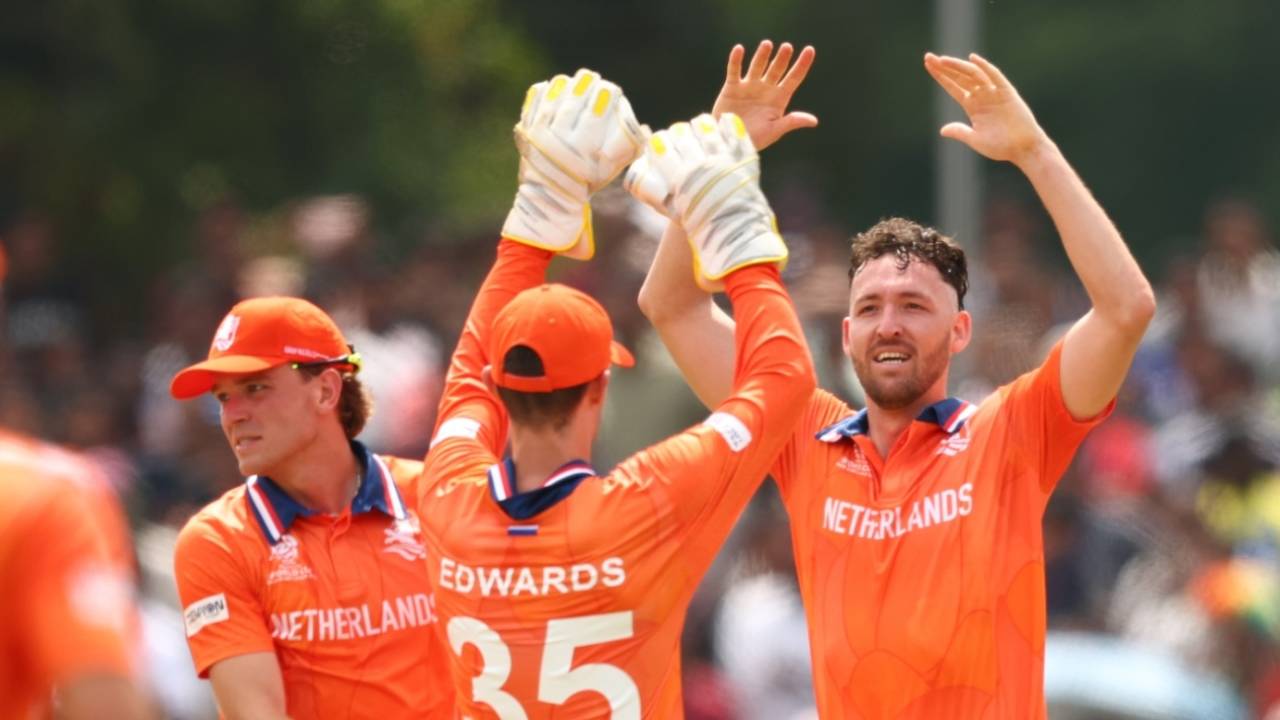
Netherlands did not arrive to participate. They arrived with a plan. Their powerplay was calm and measured. They avoided unnecessary risks. Singles flowed freely. Boundaries came without forcing shots.
Reaching fifty without losing control gave them belief. More importantly, it gave them time. At 123 for 4 after fifteen overs, they were positioned for a strong finish. The pitch offered grip, but not enough to justify panic.
Pakistan’s bowlers sensed danger. The game was drifting. Netherlands were not collapsing. They were building steadily. That required intervention. Then came the swing.
Two overs changed everything. Wickets fell quickly. Momentum vanished. From control, Netherlands slipped into survival. Pakistan’s bowlers smelled uncertainty and attacked decisively.
The final total of 147 felt modest. But it came after genuine promise. Netherlands had shown that discipline, not power, could stretch Pakistan. That belief would return later.
Pakistan’s Bowling Showed Depth and Flexibility
Pakistan’s bowling performance was quietly impressive. Even when early plans failed, alternatives emerged instantly. That depth separates them from most teams.
When pace did not move the ball, spin took control. When swing disappeared, accuracy replaced aggression. The transition was smooth. There was no panic.
Multiple bowlers contributed. Different styles were used. Overs were rotated smartly. Pakistan never looked short of options. Even part-time spin was trusted at the right moment.
This adaptability crushed Netherlands’ momentum late. It also revealed strong leadership thinking. Pakistan read conditions faster than their opponents.
The bowling unit absorbed pressure and returned it with interest. That phase won them half the match. But bowling strength alone does not guarantee comfort. Pakistan would prove that soon.
A Chase That Looked Finished Too Early
Pakistan began the chase with authority. The intent was clear. There was no desire to drag the game deep. Early boundaries removed doubt. Rotation kept pressure off.
At 98 for 2 after eleven overs, the match looked done. Required runs were minimal. Wickets were in hand. The tempo was perfect. This was the danger zone. Pakistan often struggle when the finish feels inevitable. Focus drops. Shots lose purpose. Decision-making accelerates unnecessarily.
That pattern repeated. Instead of closing the game calmly, Pakistan rushed it. Risk replaced calculation. The chase lost structure. The scoreboard still favoured Pakistan. The mindset no longer did.
Five Wickets That Changed the Mood
The collapse arrived without warning. Five wickets fell for sixteen runs. There was no sustained bowling assault. There was confusion.
Batters chased boundaries instead of managing singles. Soft dismissals followed. Communication broke down. The dressing room tensed. Netherlands sensed vulnerability. Energy lifted instantly. Fields tightened. Bowlers attacked the stumps.
Pakistan stopped controlling the game. They began reacting to it. What was once routine became fragile. Pressure returned. The crowd felt it. The dugout felt it. This is Pakistan’s paradox. Brilliance and breakdown often share space.
Netherlands Earned Its Way Back
This was not a Pakistani-only collapse. The Netherlands forced it. They denied easy runs. Every over added pressure. Every dot ball mattered. Pakistan was made to think again.
At 29 needed off 12 balls, belief surged. Netherlands no longer hoped. They expected a chance. Their discipline created doubt. Their energy fed off Pakistan’s nerves. This was associate cricket at its best. Brave, clear, and relentless.
The Dropped Catch That Decided Everything
The match turned on one moment. A miscued shot. A high catch. Time suspended. The ball landed in safe hands. Then spilled out. That drop broke Netherlands’ momentum instantly. It released Pakistan from the mental trap they had created.
These moments define tournaments. Margins are thin. Consequences are heavy. Pakistan survived the scare. Netherlands felt the weight immediately. From that point, the game shifted decisively.
Given a reprieve, Faheem Ashraf responded with clarity. The next deliveries disappeared. Boundaries flowed. Pressure flipped. This was not blind hitting. It was controlled finishing. The calm Pakistan had lost returned through one player.
Faheem absorbed pressure and redirected it. That is finishing skill. Not power alone. In high-stakes moments, composure becomes currency. Faheem spent it wisely.
Why Chaos Still Works for Pakistan?
Pakistan’s volatility frustrates fans. But it unsettles opponents more. No team feels safe against them. Matches remain alive until the final ball. This chaos forces errors. It creates opportunities. It keeps Pakistan dangerous even when flawed. Control is taught. Chaos is instinctive. Pakistan have mastered both, unevenly. That unpredictability is their edge.
This match set the tone early. No game will be routine. No favourite will feel comfortable. Pakistan remains a contender. The Netherlands earned respect. The World Cup gained momentum. Drama arrived immediately. Expectations shifted. If this were the opening act, the tournament promises plenty.
Pakistan won. But they did not dominate. They survived. This match reminded everyone why Pakistan cricket remains compelling. It bends logic. The T20 World Cup has begun. And it began exactly as Pakistan would have wanted.