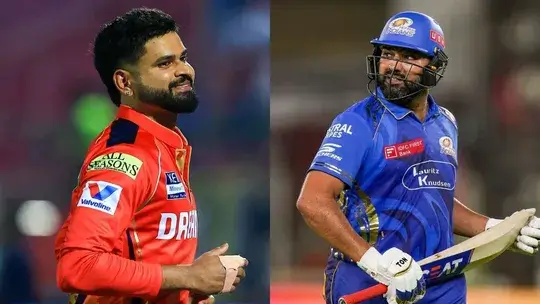
Mumbai Indians versus Punjab Kings looks predictable on paper. One franchise carries trophies and legacy. The other carries promise and reinvention. Yet when these two meet in the IPL, logic rarely survives the full forty overs. Matches begin one way and end another. Momentum changes quietly. Control, not aggression, becomes the deciding factor.
This fixture has produced a recurring pattern that statistics alone struggle to explain. Punjab Kings often start better. They win power plays more frequently. They score faster early. Mumbai Indians, however, usually finish stronger. The middle overs tilt games away from Punjab without dramatic collapses. The shift happens subtly, then decisively.
This supporting article explores why that happens. It does not focus on individual matches alone. Instead, it looks at structure, decision-making, and psychological rhythm. The goal is to explain why this rivalry consistently breaks expectations and why it remains one of the IPL’s most misunderstood contests.
Why Early Advantage Rarely Decides MI vs PBKS Matches?
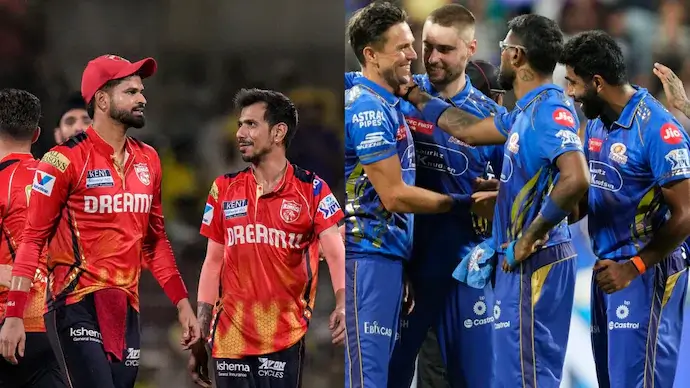
In most IPL games, powerplay dominance sets the tone. Against the Mumbai Indians, that assumption regularly fails. Punjab Kings have often won the first six overs against Mumbai. They hit more boundaries. They lose fewer wickets early. Yet those advantages rarely translate into wins.
The reason lies in how Mumbai absorb early pressure against PBKS. They do not chase immediate correction. When Punjab surge early, Mumbai resist emotional responses. They protect wickets. They accept temporary scoreboard imbalance. This patience prevents compounding errors.
Punjab, on the other hand, often treat strong starts as validation. Shot selection becomes bolder. Boundary-hunting replaces strike rotation earlier than necessary. This creates exposure during the transition phase, when fielding restrictions lift and bowling plans tighten.
Mumbai’s calm through early deficits shifts pressure back silently. The scoreboard may still favour Punjab, but the game’s control begins to drift. This is why early dominance in this fixture is deceptive. It feels decisive, but it is rarely final.
The Middle Overs Are the Real Battlefield in This Rivalry
Overs seven to fifteen define Mumbai Indians versus Punjab Kings more than any other phase. This is where Mumbai consistently separate themselves. The shift is rarely explosive. It is methodical.
Mumbai prioritize run suppression over wicket hunting in this phase. Bowlers hit hard lengths. Fields are set for singles, not boundaries. Batters are forced to manufacture shots rather than play naturally. This creates friction.
Punjab often struggle here because their batting structure leans toward momentum. When boundaries dry up, patience becomes a test. Rotation slows. Dot balls accumulate. Risk increases.
Mumbai’s batting, meanwhile, treats this phase as a foundation. By the time the final five overs arrive, Mumbai usually hold structural advantage. This quiet control is why Mumbai dominate this matchup historically. The game turns long before viewers notice it.
Role Clarity Gives Mumbai an Edge Over Punjab
One consistent difference between the teams has been role clarity. Mumbai Indians define responsibilities tightly. Each batter knows entry points. Each bowler knows matchups. Plans rarely change mid-innings.
Punjab Kings, across seasons, have frequently reshuffled roles. Batting positions shift. Finishers change. Bowling plans adapt reactively. This flexibility, while useful in theory, often creates hesitation in pressure moments.
When Mumbai lose early wickets, players respond with role awareness. They do not chase recovery shots. When Punjab lose momentum, players often attempt to restart it individually.
This contrast becomes visible in close games. Mumbai appear calm even when behind. Punjab appear urgent even when ahead. That psychological difference compounds across seasons. Role clarity does not guarantee wins. But against Punjab, it has consistently reduced Mumbai’s error margin.
Decision-Making Under Pressure Tells Two Different Stories
Pressure exposes systems. In Mumbai Indians versus Punjab Kings matches, pressure moments tend to favour Mumbai. This is not about talent. It is about decision timing.
Mumbai delay decisions. They wait for clearer information. Bowling changes are planned two overs ahead. Batting gears change gradually. This reduces impulsive choices.
Punjab often accelerate decisions under pressure. Bowling changes respond to single overs. Batting aggression spikes suddenly. These reactions feel logical in isolation but often destabilize innings flow.
In T20 cricket, pressure does not demand speed. It demands clarity. Mumbai consistently show that clarity in this matchup.
This difference explains why close games usually tilt Mumbai’s way. They make fewer irreversible mistakes when tension peaks.
Power Hitters Matter Less Than Match Awareness Here
Both teams boast explosive hitters. Yet six-hitting has rarely defined outcomes between Mumbai and Punjab. Instead, awareness has.
Mumbai’s batters choose when to attack. They identify bowlers, not overs. Punjab’s batters often attack phases rather than individuals. That distinction matters.
Against Mumbai, raw power without context gets absorbed. Boundaries are traded for singles. Bowlers recover. Pressure resets.
Mumbai’s power arrives late, when fields are spread, and bowlers are fatigued. Punjab’s power often arrives early, when containment plans are still in place.
This timing mismatch reduces Punjab’s damage potential. It also amplifies Mumbai’s finishing strength.
Bowling Discipline Wins More Games Than Brilliance
Mumbai’s bowling success against Punjab is rarely spectacular. Five-wicket hauls are rare. What exists instead is discipline.
Lengths are consistent. Wide deliveries are minimal. Fields are aligned with plans. This forces Punjab to play high-risk shots for reward. Punjab’s bowling has often searched for breakthroughs. Variations increase. Lines shift. This invites counterattacks.
Discipline limits risk. Against Punjab, Mumbai’s disciplined bowling repeatedly narrows scoring options without chasing wickets. That containment strategy works over time.
Punjab’s Reinvention Cycles Disrupt Continuity
Punjab Kings frequently enter seasons in transition. While this keeps the franchise dynamic, it disrupts matchup continuity. Mumbai, by contrast, preserves identity even as personnel change. Core principles remain. New players are absorbed into existing systems.
This continuity helps Mumbai in recurring hookup matches. Punjab often relearn lessons Mumbai already internalized seasons earlier. Against stable systems, reinvention struggles. That dynamic plays out clearly in this rivalry.
Why Venue and Toss Matter Less Than Expected?
Unlike many IPL matchups, venue trends have limited impact here. Home advantage has not been decisive. Toss results have not guaranteed control.
That suggests something deeper. When tactical identity outweighs conditions, adaptability matters more than surface factors.
Mumbai adapt faster within matches. Punjab often rely on pre-match planning. When conditions deviate, Mumbai adjust quicker.
This adaptability neutralizes external variables. It also explains why Mumbai perform consistently against Punjab across venues.
At its core, Mumbai Indians versus Punjab Kings is a contest between control and intent. Punjab bring intent early. Mumbai apply control later. Intent excites. Control wins.
That imbalance explains the rivalry’s outcomes over time. Punjab may dominate moments. Mumbai dominate matches. As long as this structural difference remains, this fixture will continue to mislead casual analysis and reward deeper understanding.