

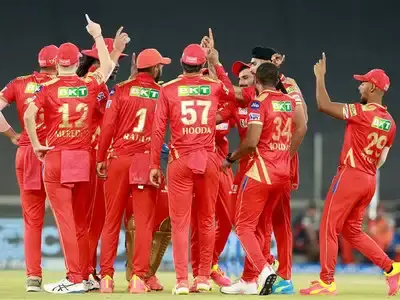
The Mumbai Indians vs Punjab Kings rivalry promises balance every single season. Star names appear evenly spread. Auction strategies suggest parity. Squad depth looks comparable on paper. Yet the scoreboard history keeps telling the same story. When matches tighten, the Mumbai Indians repeatedly emerge on top.
This pattern is not random. It is structural. Mumbai dominate key phases with clarity. Punjab Kings lose control under sustained pressure. The gap lies less in raw talent and more in execution, planning, and emotional management. Over the years, this rivalry has quietly become one of the IPL’s most revealing tactical case studies.
This article examines why the Mumbai Indians consistently win against the Punjab Kings, who repeatedly lose their grip, and which patterns persist despite change. It also explains why this matchup continues to expose deeper truths about IPL success.
Table of Contents
ToggleMumbai Indians Control the Powerplay Better Than PBKS
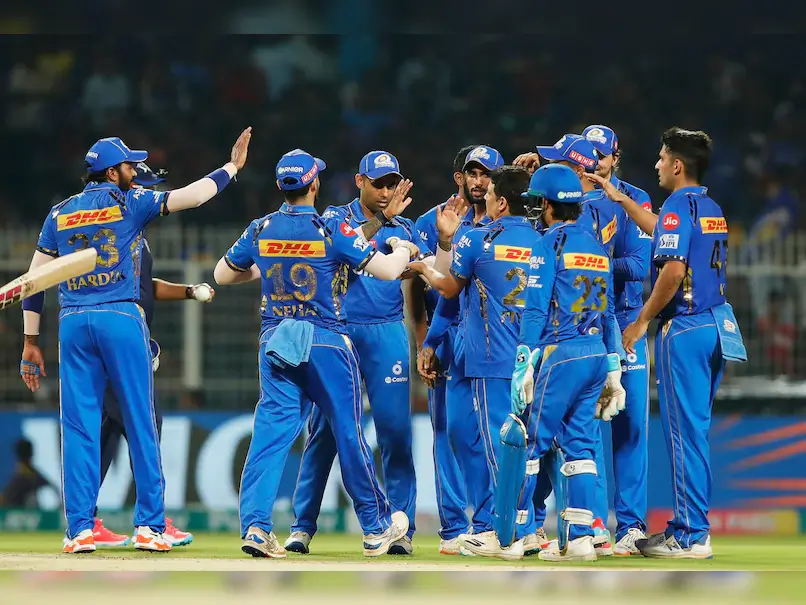
Mumbai Indians treat the powerplay as a strategic weapon. It is not a survival phase. It is a momentum-building window. Their batters enter with pre-set scoring zones and matchup clarity. Risk is calculated, not avoided.
Punjab Kings approach the same phase with uncertainty. Some seasons begin aggressively. Other seasons start cautiously. This inconsistency allows Mumbai bowlers to dictate fields and lengths early. Once that control is established, it rarely shifts back.
MI’s early intent forces fielding restrictions into scoring pressure. Singles never replace boundary options. Strike rotation complements aggression. Punjab often spend the middle overs repairing damage instead of accelerating.
Powerplay dominance is where many MI vs PBKS games quietly tilt. By the tenth over, the match narrative is often already shaped.
Death Overs: Where Punjab Kings Lose Repeatedly
The death overs expose Punjab Kings’ most persistent flaw. Their bowling clarity collapses under pressure. Yorkers miss length. Slower balls lose disguise. Plans change after boundaries rather than before pressure builds.
Mumbai Indians thrive in this chaos. Their finishers read pace variations early. They punish slot deliveries ruthlessly. Over multiple seasons, MI consistently add 40 to 60 runs in the final five overs against PBKS.
This phase explains why close matches suddenly drift away. Pressure magnifies hesitation. Mumbai stay composed. Punjab unravel. Death overs are not just another phase. They are the rivalry’s decisive battleground.
Mumbai’s Batting Depth Outlasts Punjab’s Plans
The Mumbai Indians rarely rely on one batter to carry the innings. Contributions flow across positions. If an opener fails, the middle order absorbs impact. If anchors stall, finishers accelerate without panic.
Punjab Kings often rely on a single momentum carrier. When that player falls, scoring tempo drops sharply. Partnerships struggle to regain rhythm.
MI’s depth allows tactical flexibility. Batting orders adjust organically. Punjab bats in rigid sequences, vulnerable when plans break. Depth is not about big names. It is about trust across roles. Mumbai trust its system as Punjab searches for stability.
Punjab Kings’ Bowling Rotations Invite Pressure
Punjab Kings’ bowling changes often arrive reactively. A boundary triggers a change. A misfield forces reshuffling. This pattern hands control to MI batters. Mumbai bowlers operate with clearly defined spells. They know when to attack. They know when containment matters. Field placements align with bowling intent.
PBKS bowlers frequently look unsure. Field changes lag behind execution. That hesitation creates scoring windows. Mumbai exploit them immediately. Bowling clarity separates control from chaos. In this rivalry, that difference is stark.
Wankhede Stadium Magnifies the Gap
At Wankhede Stadium, margins shrink fast. Boundaries come quicker. Mistakes travel further. Bowlers must be precise from ball one. Mumbai Indians understand these conditions intimately. Lengths are adjusted instinctively. Batters know which pockets to target. Pressure is applied without forcing shots. Punjab Kings often misjudge lengths here. Short balls disappear. Full balls travel. MI batters play with freedom and familiarity.
Home advantage is not just crowd energy. It is situational intelligence. Mumbai possess it in abundance. Mumbai Indians rarely panic. Even during collapses, body language stays controlled. Communication remains clear. Decisions are deliberate.
Punjab Kings struggle emotionally in tight contests. One setback leads to rushed bowling changes. Misfields creep in. Overthrows follow. Leadership tone shapes outcomes. Calm spreads quickly. Anxiety spreads faster. In MI vs PBKS encounters, composure often decides matches more than skill.
Why Punjab Kings Struggle to Close Winning Positions
Punjab Kings have led matches against Mumbai on multiple occasions. The issue is not opportunity. It is a conversion. Small moments undo them. Missed run-outs. Conservative batting when acceleration is needed. Incorrect over selections at critical junctures.
Mumbai thrive in these windows. They force errors by staying aggressive without losing structure. Pressure is applied relentlessly, not recklessly. Closing games is a learned skill. Mumbai have mastered it. Punjab are still searching for it.
What This Rivalry Reveals About IPL Success?
This rivalry extends beyond head-to-head numbers. It reveals what wins consistently in the IPL. Mumbai invest in clarity. Roles remain stable. Expectations are known. Systems persist across seasons. Punjab often reset structures yearly.
Continuity builds instinct. Instinct wins tight games. Until PBKS addresses structural issues rather than merely applying surface fixes, this rivalry will continue to lean one way.
Every MI vs PBKS match feels competitive at the toss. That belief keeps the rivalry alive. But patterns do not lie. Mumbai Indians dominate the phases. Punjab Kings lose control when pressure spikes. Until that equation changes, results will follow history. This rivalry is not unfair. It is unfinished. And that is exactly why it remains one of the IPL’s most revealing matchups.

