

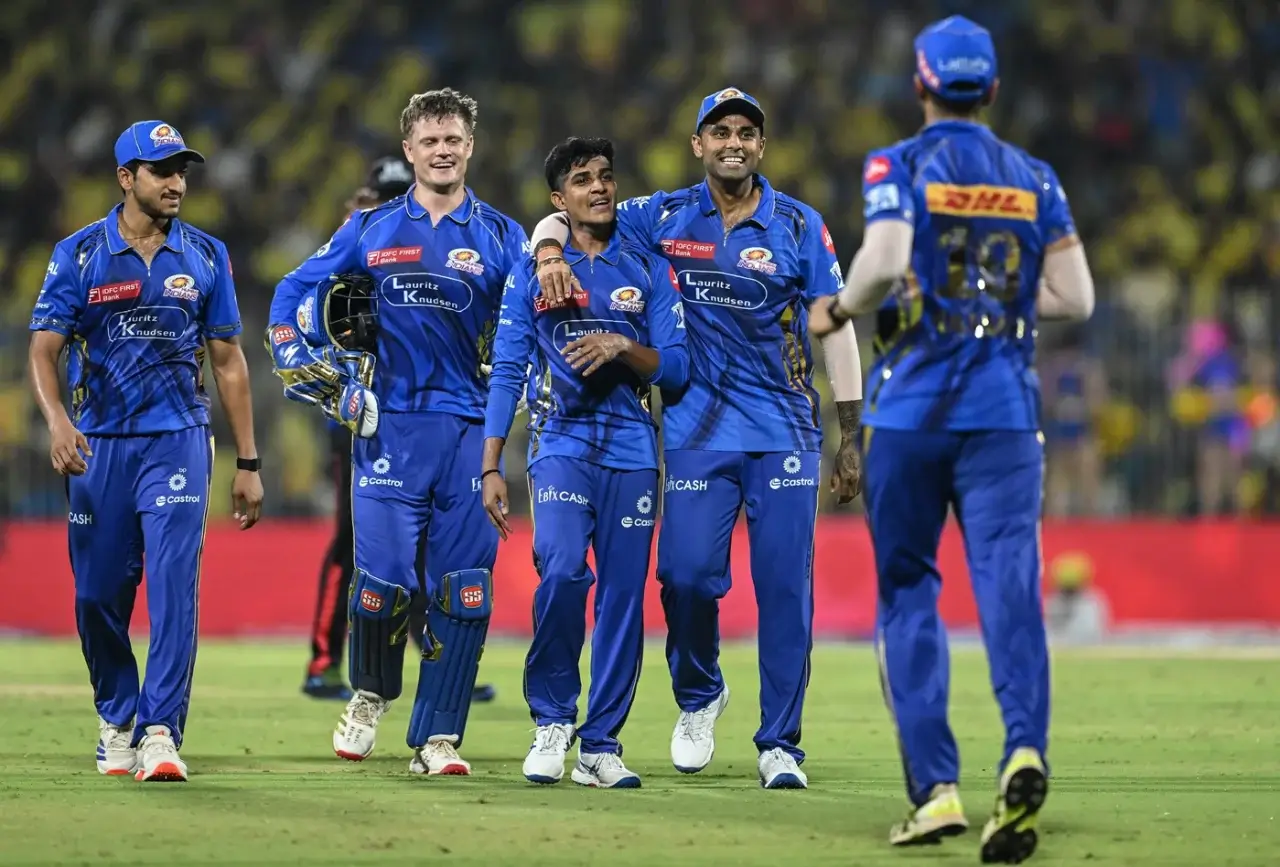
The Mumbai Indians vs Punjab Kings rivalry has rarely been short on drama. Matches are often close, momentum swings frequently, and the Punjab Kings usually arrive with aggressive intent. Yet over multiple IPL seasons, results tend to lean toward the Mumbai Indians. This is not solely due to superior talent. The separation appears in structure, clarity, and decision-making under pressure. Punjab bring energy and ambition into contests, often dominating early phases. Mumbai bring calm and predictability when chaos threatens.
That contrast defines this rivalry more than individual scorecards or isolated performances. Over time, repeated patterns have shaped outcomes, making MI vs PBKS a case study in how teams manage uncertainty rather than merely how they start games.
Why MI vs PBKS Matches Rarely Feel One-Sided?
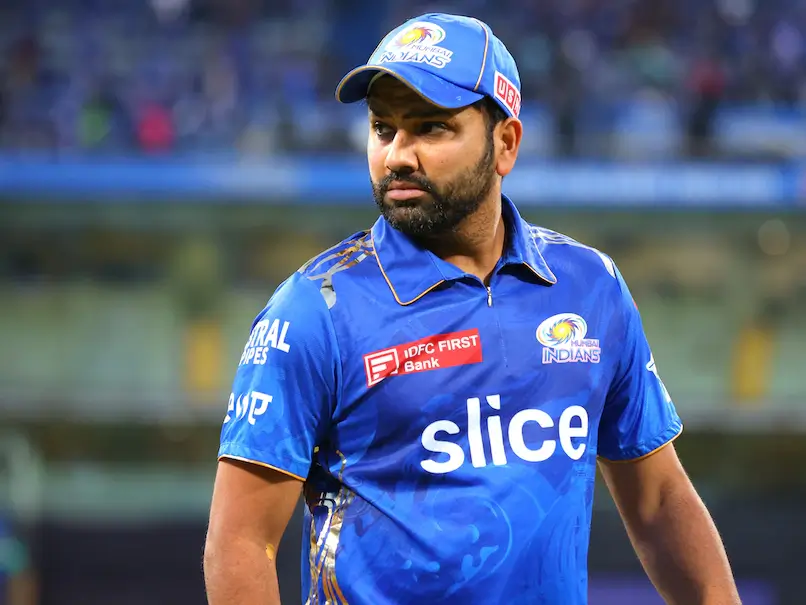
On the surface, MI vs PBKS games often look evenly balanced. Punjab frequently control powerplays, score freely, and set early tempo. Middle overs usually remain competitive, with both teams trading momentum. Chases often stretch deep into the final overs. The difference usually appears late. Mumbai Indians tend to handle uncertainty better. Their players remain clear about roles even when plans unravel.
Punjab Kings, by contrast, often rely heavily on momentum. When that momentum slows, decision-making becomes reactive. Shot selection tightens. Bowling changes feel delayed. This pattern repeats across seasons. The margins remain small, but outcomes feel familiar. Matches rarely look one-sided, yet Mumbai repeatedly find a way to tilt pressure back at decisive moments.
Mumbai Indians’ Late-Game Blueprint
Mumbai Indians construct squads with the final ten overs in mind. Experience anchors their thinking across formats. Bowling resources are preserved rather than exhausted early. Matchups are identified before games, not improvised under stress. When matches tighten, MI rarely chase moments emotionally. They trust preparation. This late-game clarity explains why Mumbai close games effectively against Punjab. Even when behind on the scoreboard, their body language remains composed. That calm transfers pressure back onto the opposition. Fielding sharpens. Bowling plans simplify. Batting decisions stay disciplined. It is not domination through force. It is control through clarity. Over seasons, this blueprint has consistently separated Mumbai from Punjab in tight finishes.
Punjab Kings’ Early Intent and Its Limits
Punjab Kings usually begin MI games with aggressive intent. Powerplay scoring is prioritized. Batters look to disrupt rhythm early. This approach can succeed and often puts Mumbai on the defensive. The challenge lies in sustaining that intensity. Once Mumbai slow the tempo, Punjab struggle to reset mentally. Risk creeps into shot selection. Singles dry up. Bowling plans lose shape. The middle overs become vulnerable. This is where Mumbai often regain balance without dramatic shifts. Punjab’s core issue is not intent or skill. It is continuity under pressure. Until they learn to manage tempo across phases, early dominance alone will remain insufficient.
Key Matchups That Shape the Rivalry
MI vs PBKS contests are shaped by specific tactical matchups rather than broad team strength. Mumbai frequently target Punjab’s middle order with controlled pace, cutters, and defensive fields. Punjab often counter by attacking MI’s seamers early to force errors. These battles decide momentum. Mumbai tend to adjust quickly when plans fail. Bowling lengths change. Fields shift. Punjab sometimes persist longer than conditions allow. That adaptability gap matters. Over multiple seasons, Mumbai’s quicker tactical recalibration has turned close contests in their favor.
Home Conditions and Psychological Edge
At venues like Wankhede, Mumbai Indians read conditions instinctively. Crowd energy amplifies confidence rather than anxiety. Punjab often need early success to stay emotionally ahead. When that does not arrive, the balance shifts subtly. Even away from home, MI carry this psychological assurance built through repeated success. They trust processes that have worked before. Punjab are still searching for that same certainty in tight finishes. Psychology, more than venue, influences outcomes in this rivalry.
Why This Rivalry Continues to Matter?
Despite Mumbai’s edge, the rivalry remains compelling. Punjab Kings are capable of disruption. Upsets happen. Matches remain competitive deep into games. That tension sustains fan interest. Each season introduces new players and variables. Until Punjab solve late-game clarity, Mumbai’s advantage is likely to persist. This rivalry endures not because of dominance, but because of unresolved questions.
This supporting article strengthens the Mumbai Indians vs Punjab Kings timeline by explaining why patterns repeat. It moves beyond results into structure, psychology, and execution. These factors define long-term outcomes more clearly than individual performances. For readers, it adds context. For search engines, it builds topical authority around the rivalry.