


Every high-stakes T20 match hides its real story beneath the scorecard. The Mumbai Indians vs Punjab Kings clash was no different. While fans focused on runs and wickets, the actual contest unfolded through timing, pressure control, and bowling discipline. This was not a match decided by one over or one innings. It was shaped slowly, phase by phase, through decisions that either tightened or released momentum.
Mumbai Indians approached the game with clarity. Punjab Kings played with intent but lost control at key junctions. The difference did not lie in talent. It lay in execution under pressure. T20 cricket often rewards boldness, but it punishes indecision faster than anything else. This match highlighted that truth repeatedly.
From powerplay strategies to death-over planning, the game evolved as a duel of philosophies. One side trusted precision. The other leaned on aggression in MI vs PBKS matches. As the overs passed, the pitch, conditions, and pressure tilted the balance. What followed was a lesson in how elite T20 sides manage chaos while others react to it. Below is a deep breakdown of the eight defining themes that shaped this contest.
Powerplay Bowling Set the Psychological Tone
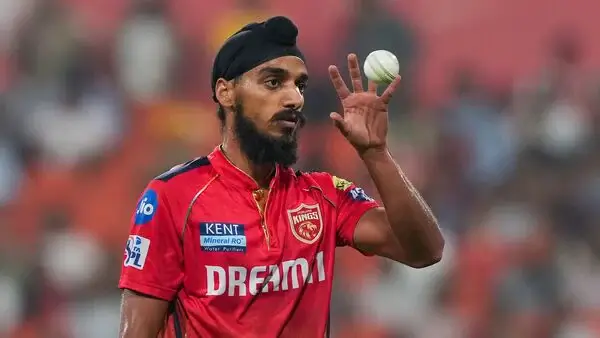
The opening six overs defined the emotional rhythm of the match. Mumbai Indians entered the powerplay with a clear plan: deny easy boundaries and force risky shots. Punjab Kings, on the other hand, wanted early dominance but ran into disciplined lines and subtle pace variation. This contrast mattered more than wickets.
MI’s fast bowlers hit hard lengths and protected straight boundaries. They invited horizontal shots instead of free drives. PBKS batters tried to counter with intent but found timing difficult. Even when runs came, they felt earned rather than gifted. That psychological pressure began to build quietly.
Punjab’s powerplay bowling lacked the same clarity. They searched for swing and movement instead of control. Short balls sat up. Full balls drifted into hitting arcs. Mumbai batters did not panic. They rotated strike and waited for errors. That patience completely changed the risk balance.
By the end of the powerplay, the scoreboard did not show a massive gap. But the control gap was visible. One team felt in command of its plan. The other was already adjusting. In T20 cricket, that early discomfort often echoes through the entire innings.
Middle-Overs Pace Control Became the Deciding Factor
The middle overs revealed the true difference between the sides. Mumbai Indians treated overs seven to fourteen as a squeeze zone. They slowed the game without killing it. Punjab Kings struggled to find a release shot that did not carry risk.
MI’s bowlers mixed cutters, hard lengths, and occasional slower bouncers. They did not hunt wickets aggressively. They hunted mistimed shots. Field placements supported that idea perfectly. Deep square and long-on stayed back. Singles were allowed. Boundaries were not.
Punjab’s middle-overs bowling told a different story. They tried to attack wickets instead of managing runs. That led to a predictable pace. Mumbai batters waited deep in the crease and targeted specific bowlers. One boundary often triggered another, undoing two quiet overs instantly.
This phase exposed experience gaps. Mumbai understood that T20 matches are rarely won in one burst. They are won by stacking small advantages. Punjab allowed momentum to swing too often. Each release shot from MI instantly shifted the pressure back. By the time death overs arrived, Mumbai knew exactly how many risks they needed. Punjab was still guessing.
Death Overs Highlighted Execution Under Pressure
Death overs separate strong teams from sharp teams. Mumbai Indians entered the final overs with clarity. Punjab Kings entered with hope. That difference showed in execution. Yorkers, slower balls, and wide lines came together for MI. For PBKS, plans looked reactive.
Mumbai’s bowlers trusted muscle memory. They did not chase magic deliveries. They bowled to fields and forced batters to reach. Even when hit, they returned to the same plan. That consistency reduced panic. Pressure stayed with the batter, not the bowler.
Punjab’s death bowling lacked that calm. A missed yorker led to a slower ball attempt. A slower ball led to a length error. Each mistake multiplied the next. Mumbai batters sensed it and committed fully to shots.
In high-pressure overs, conviction matters more than variation. Mumbai had it. Punjab searched for it. Those final overs added runs that felt heavier than their numerical value. They also drained belief from the chasing side.
Batting Awareness Trumped Raw Hitting Power
Mumbai’s batting approach was not explosive from ball one. It was intelligent. Batters assessed bowlers quickly and chose moments carefully. Punjab batters tried to impose themselves too early and paid for mistimed aggression.
MI batters showed excellent awareness of boundary dimensions. They targeted shorter sides and avoided hitting into the wind. Strike rotation kept bowlers from settling. Even dot balls did not cause panic. That calmness allowed big shots to feel natural rather than forced.
Punjab’s batting relied heavily on impact shots. When those landed, momentum followed. When they missed, pressure doubled. There was little use of angles or depth in the crease. Mumbai’s bowlers exploited that predictability.
T20 cricket rewards hitters, but it crowns thinkers. Mumbai batted like a side that knew exactly how much was enough. Punjab batted like a side trying to win the match in phases instead of controlling it.
Leadership and On-Field Adjustments Made the Difference
Leadership moments often go unnoticed unless you look closely. Mumbai’s captain adjusted fields quickly. Bowlers were pulled back before damage spread. Matchups were enforced strictly. There was no hesitation.
Punjab’s leadership showed intent but not timing. Bowling changes came one over late. Fields reacted instead of anticipating. That half-step delay consistently kept Mumbai ahead of the game.
In tight T20 matches, captains don’t need miracles. They need decisiveness. Mumbai had it throughout. Punjab hesitated during crucial stretches. That hesitation costs control.
Pitch Reading Favoured the More Disciplined Side
The pitch was not flat, but it was honest. Pace off the ball worked. Hard lengths caused discomfort. Mumbai, read this quickly. Punjab took longer.
MI bowlers adapted their pace early. PBKS continued bowling at the same speed, hoping for errors. Mumbai batters adjusted their footwork. Punjab batters did not change enough. Matches are often won by the side that understands conditions first. This game followed that script closely.
Every innings had two or three pressure moments. Mumbai absorbed them. Punjab amplified them. Dropped intensity, loose overs, or rushed shots appeared exactly when control was needed most.
Mumbai treated pressure as part of the plan. Punjab treated it as an obstacle. That mental difference shaped outcomes more than skill.
Why This Match Reinforced Mumbai’s T20 Identity?
This game was a reminder of why the Mumbai Indians remain elite. Punjab Kings showed promise but lacked cohesion. The result was not accidental. It was engineered through planning, patience, and precision.
The Mumbai Indians vs the Punjab Kings clash was not decided by one star performance. It was decided by collective clarity. Mumbai controlled phases. Punjab reacted to them. That single difference shaped the match entirely. In modern T20 cricket, control beats flair more often than fans admit. This match proved it again.

