
Punjab Kings versus Mumbai Indians is rarely settled early. Powerplays swing. Middle overs tease hope. But when the game tightens and the final five overs arrive, a familiar pattern emerges. Mumbai Indians stay calm. Punjab Kings unravel.
This is not a coincidence. It is a structured meeting under stress. Mumbai builds teams to finish matches. Punjab often builds teams to start them fast. That philosophical difference shows up brutally at the death.
Death overs in PBKS vs Mumbai matches are not just about yorkers and big hits. They are about decision clarity, skill repeatability, and emotional control. Mumbai consistently win these moments. Punjab repeatedly lose them.
Mumbai Indians Build Finishers, Not Just Hitters
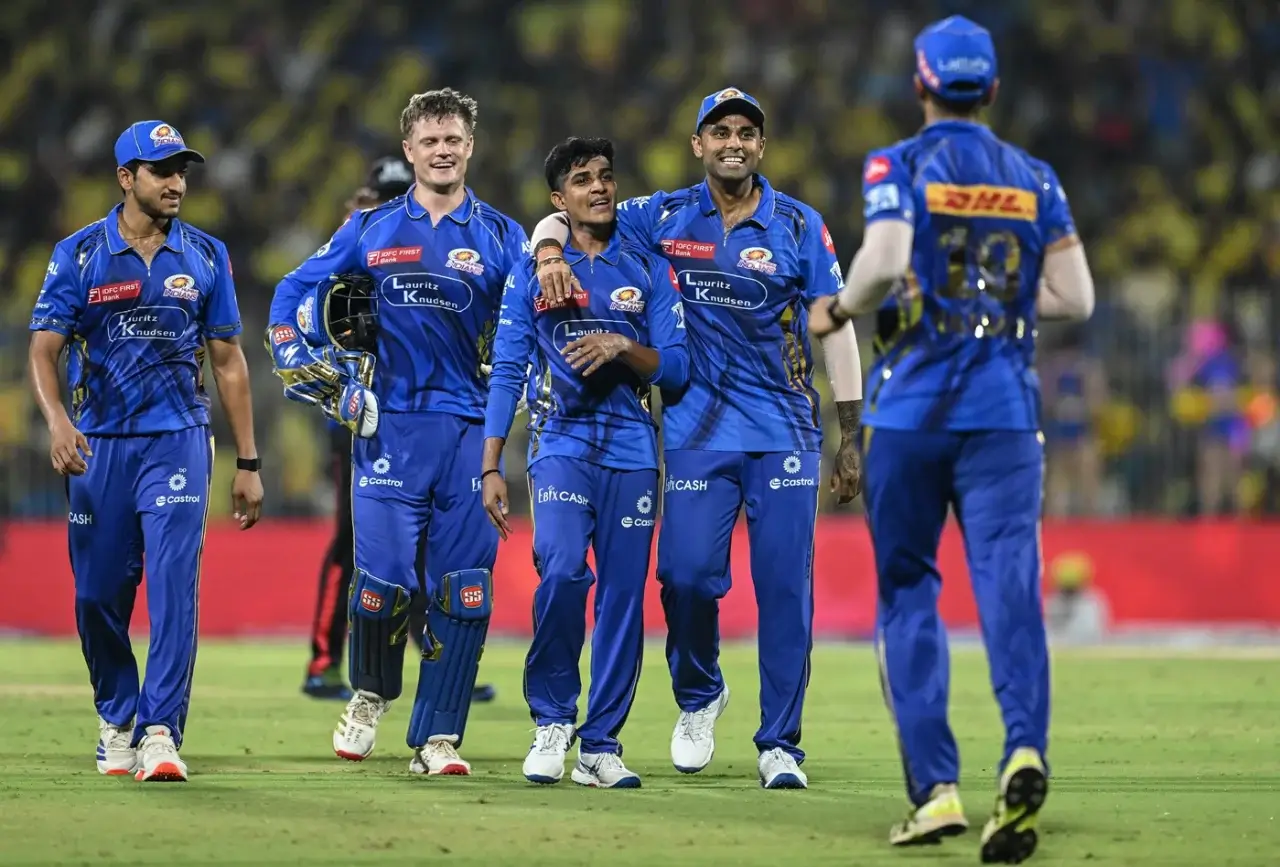
Mumbai Indians do not select batters only for strike rate. They select for temperament. Their finishers are chosen for clarity under pressure, not highlight potential.
Whether it is calculated risk, strike rotation, or boundary targeting, MI finishers operate with a plan. They understand which balls to attack and which to take. That decision-making reduces dot-ball pressure late.
Against Punjab Kings, this becomes decisive. PBKS bowlers often wait for mistakes. MI finishers rarely offer them. Singles are accepted. Twos are hunted. Boundaries arrive without panic.
This approach frustrates bowlers. They lose patience. Lengths drift. Yorkers miss. When errors come, MI punish them fully.
MI’s finishing philosophy treats the last overs as a continuation, not a frenzy. That mindset difference compounds over seasons.
Punjab Kings’ Death Bowling Relies on Hope, Not Certainty
Punjab Kings’ death bowling often lacks one thing: a repeatable default plan. Too many options exist. Too few are trusted.
When pressure rises, PBKS bowlers search for magic balls instead of executing percentage deliveries. Yorkers are attempted without rhythm. Slower balls are overused. Length balls are sprayed.
This indecision is costly against MI. Finishers sense uncertainty instantly. They wait. They punish the third or fourth bad ball in an over.
The problem is not talent. Punjab have had capable death bowlers. The problem is role clarity. Bowlers are unsure whether they are defenders or wicket-takers late. Mumbai exploit this hesitation ruthlessly.
MI Finishers Control Pace, PBKS Bowlers Chase It
One of the most underrated skills of MI finishers is pace control. They decide when the over accelerates. They decide when it slows. Against Punjab, this becomes a trap. PBKS bowlers react to the scoreboard.
MI finishers stay still. They wait for one loose ball per over. That is enough. Over time, this dynamic flips pressure. Bowlers feel behind even when defending reasonable totals.
Field Placements Expose PBKS Uncertainty
Death bowling is as much about fields as deliveries. Punjab’s fields against MI often reveal indecision. Too defensive, and MI takes easy twos. Too attacking, and gaps open. Fields change ball to ball, signaling doubt.
Mumbai read this instantly. Finishers target newly exposed areas. They force captains into reactive leadership. MI captains, in contrast, hold fields longer. They trust bowlers. That stability matters under stress.
MI Practice Death Scenarios; PBKS React to Them
Mumbai Indians train explicitly for chaos. Net sessions simulate 18 required off 6. Bowlers practice defending 10 with wet balls. Finishers rehearse strike rotation.
Punjab Kings often look like they are encountering these situations live. That difference shows. Preparation breeds calm. Calm breeds execution. Execution wins matches. MI’s finishing dominance is rehearsed, not improvised.
History matters in close contests. Mumbai Indians carry belief into the death. Punjab Kings carry memory. PBKS players know this phase has hurt them before. That knowledge adds weight to every mistake. MI players feel the opposite. They expect solutions. Confidence compounds. Fear multiplies. This psychological imbalance explains why even good PBKS death overs unravel late.
Bowling Skill vs Bowling Discipline
Punjab often searches for wicket-taking balls late. Mumbai looks for scoring balls to attack. This asymmetry favors MI. A yorker missed by inches becomes a slot ball. A slower ball misread becomes a free hit. MI finishers do not need brilliance. They need one error per over. Punjab provides it too often. Discipline beats skill at the death. MI understands this better.
Punjab frequently defends competitive totals against other teams. Against Mumbai, those totals feel inadequate. This is not because MI scores faster. It is because they score smarter later. Every over is managed. That reliability turns 170 into a chaseable target. It turns pressure back onto bowlers.
What PBKS Must Change to Compete Late?
Punjab Kings do not need new bowlers. They need clarity. Defined death roles. Fewer variations. Stronger fields. Clear leadership cues.
Most importantly, they must accept that death overs are about damage control, not hero moments. Until that shift happens, the Mumbai Indians will continue to dominate this phase.
The Mumbai Indians versus Punjab Kings rivalry is not decided by stars or stars. It is decided by control. MI finishers bring structure into chaos. PBKS’s death bowling often amplifies it.
Until Punjab learn to slow the game down late, Mumbai will keep winning the same match in different seasons. Because at death, calm is the ultimate weapon.