

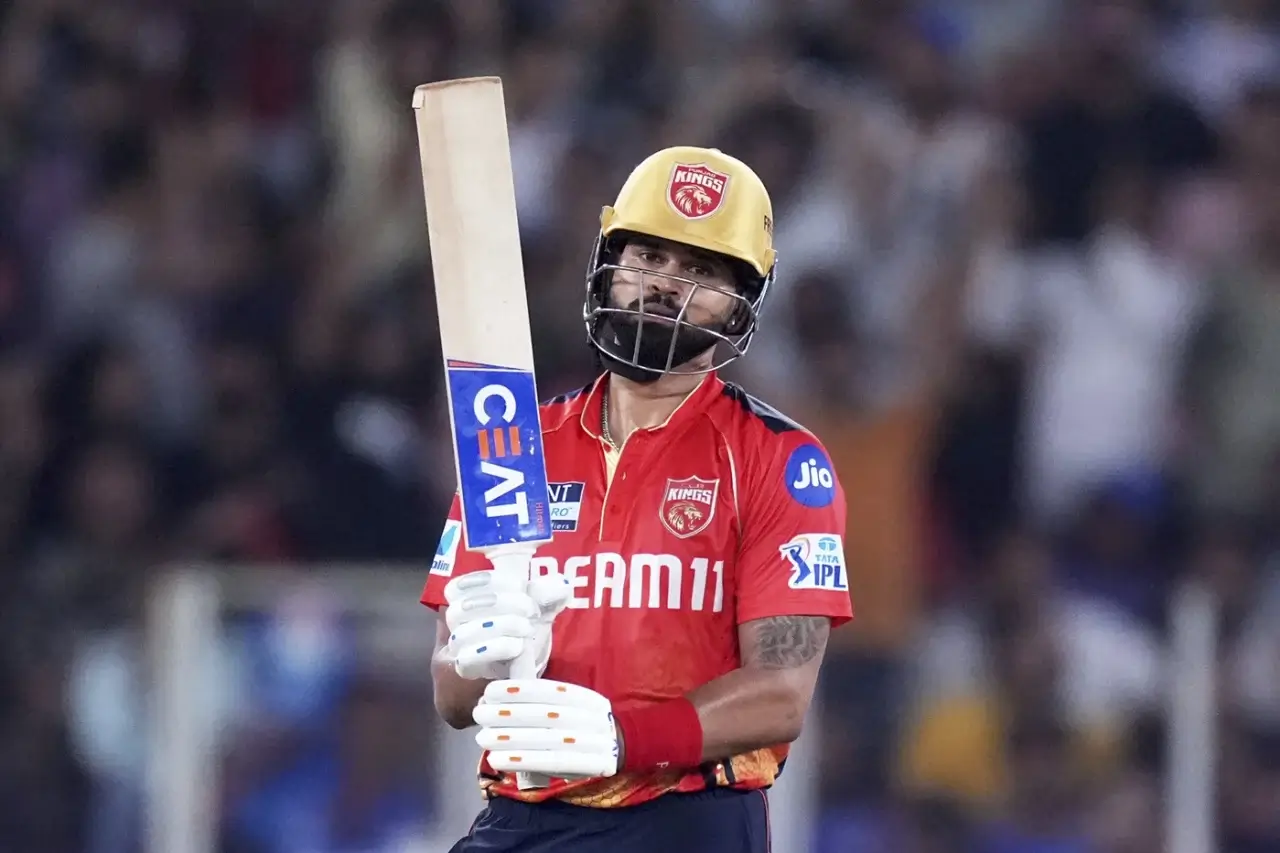
The Mumbai Indians vs Punjab Kings match once again reflected why this rivalry feels competitive yet often leans one way. Punjab Kings arrived with clarity under Shreyas Iyer, while Mumbai relied on experience and collective calm. The game swung in phases, demanded discipline, and was decided less by brilliance than by pressure management. Below are seven decisive themes that shaped the contest.
Shreyas Iyer’s influence was evident from the opening overs. Punjab Kings did not chase chaos or overreact to early boundaries. Fields were placed with intent, protecting scoring zones rather than hunting miracle wickets. Bowling changes followed a pre-set structure instead of emotional impulses. Iyer’s calm body language transmitted confidence to the group, a clear shift from earlier PBKS seasons marked by visible panic.
Even when Mumbai resisted early pressure, Punjab stayed composed and patient. That stability mattered. It allowed PBKS to control the opening phase without expending emotional energy. However, early calm is only the first test of leadership. As the match wore on, sustaining that clarity under repeated pressure proved more difficult. Iyer set a strong foundation, but the later phases exposed how leadership depth is still evolving within the side.
Mumbai Indians’ Skill at Absorbing Early Pressure
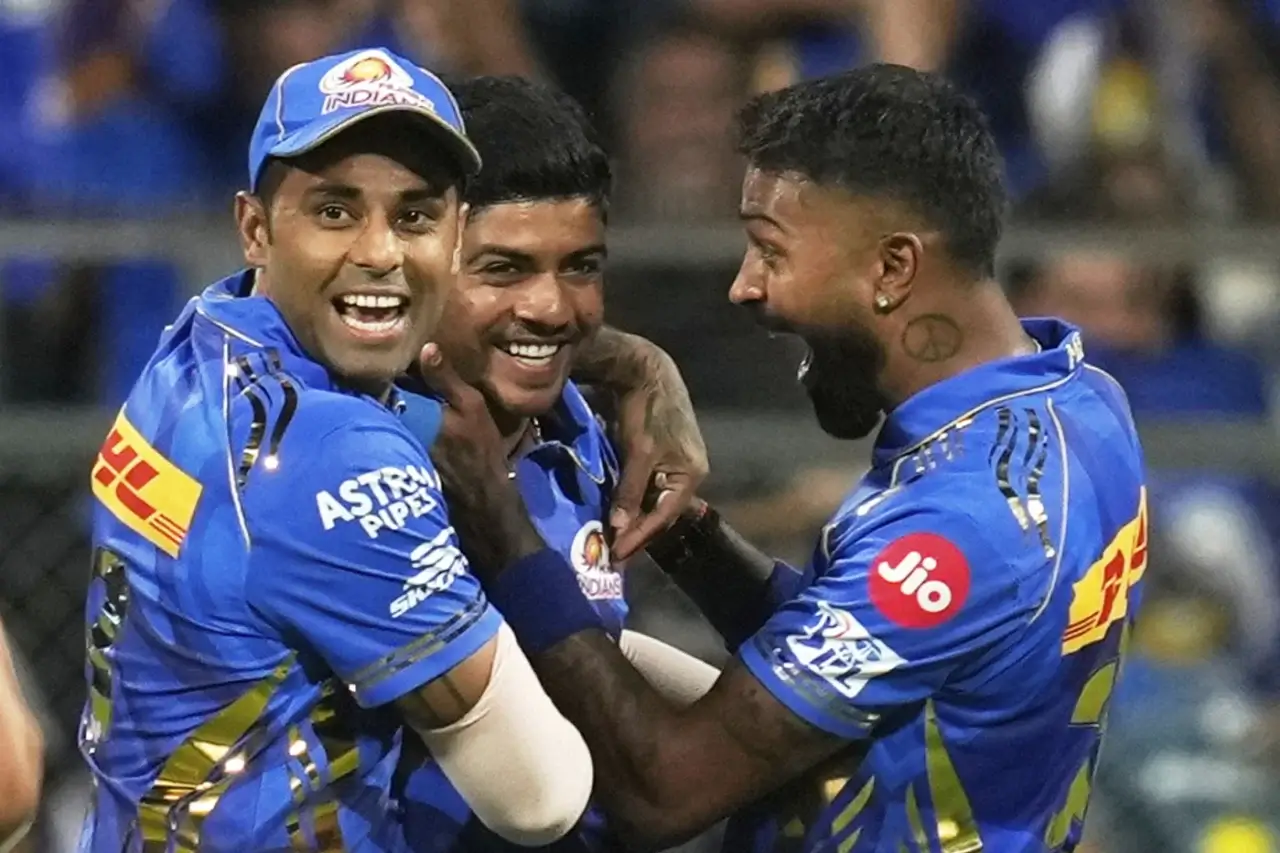
Mumbai Indians did not attempt to dominate early. They accepted containment as part of long-term control. Batters focused on strike rotation rather than boundary-hunting, ensuring dot-ball pressure never escalated. Singles into deep areas kept the scoreboard moving quietly. Bowlers remained disciplined with lengths even when boundaries were conceded.
This restraint neutralised Punjab’s early plans without dramatic momentum swings. Mumbai’s approach was deliberate and familiar. Stay close. Stay calm. Let pressure return naturally. This ability to absorb discomfort without panic is a defining MI trait. It turns opposition control into a temporary advantage rather than a decisive one, setting the stage for later phases.
Middle Overs: Where Timing Slowly Slipped
The middle overs shaped the match without appearing dramatic. Punjab Kings struggled to maintain intensity once wickets did not arrive. Mumbai slowed the run rate subtly while avoiding risky matchups. Dot balls accumulated without obvious alarm. Required rates crept upward quietly. Shreyas Iyer rotated bowlers efficiently, but Mumbai’s batters refused to force errors.
This phase lacked fireworks, yet it carried consequence. MI began dictating tempo without visibly accelerating. Punjab stayed competitive but gradually lost control of timing. These invisible shifts often decide MI vs PBKS games more than explosive passages. By the time the death overs arrived, the pressure balance had already tilted.
Fielding: Small Margins, Big Impact
Fielding separated preparation from execution. Mumbai converted half-chances into sustained pressure. Sharp stops inside the ring saved twos. Throws were flat and decisive. Punjab Kings were energetic but slightly rushed. A misfield here. A delayed throw there. None were catastrophic on their own. Together, they tightened the game. Mumbai thrive on these margins.
Punjab still leak them. Under Shreyas Iyer, improvement is visible, but consistency remains incomplete. In close contests, these small moments do not just save runs. They alter decision-making. They force risk. Over time, they quietly tilt outcomes in Mumbai’s favour.
Leadership Models: Collective MI vs Central PBKS
Mumbai Indians operate through collective leadership. Decisions feel shared across the group. Bowling changes appear instinctive. Field placements anticipate outcomes rather than react to them. Punjab Kings, by contrast, rely heavily on Shreyas Iyer’s central authority. That concentration matters late in games. When pressure peaks, Mumbai distribute responsibility. Punjab absorb it through one voice. Iyer handled the weight well, but the structural contrast remained visible. Until PBKS develop a broader leadership core on the field, this gap will continue to surface in tight moments. Leadership depth, not intent, remains the separator.
Death Overs: Certainty Beats Precision
The death overs followed a familiar MI–PBKS script. Mumbai had clarity. Bowlers knew lengths. Fielders knew zones. Singles were accepted. Boundaries were defended. Punjab searched for perfect execution. That search created hesitation. Yorkers missed by inches.
Fields adjusted late. Mumbai closed the game not with dominance, but with certainty. Control beat hope. This phase continues to define the rivalry. It is not about superior skill. It is about decision confidence when margins shrink. Mumbai trust their plans. Punjab still chase ideal outcomes.
This was not a setback for Punjab Kings. Under Shreyas Iyer, they look calmer, better planned, and closer to Mumbai than in previous seasons. Matches stretch deeper. Outcomes remain uncertain longer. That is progress. But this game also showed the final step remains sustained clarity under pressure across all phases. Until PBKS master that continuity, Mumbai’s edge will persist. The rivalry remains unfinished. Control still favours MI. Resistance, however, is clearly growing.
How MI’s Bowling Roles Stayed Clear Under Stress?
One of Mumbai Indians’ biggest strengths in this match was role clarity among bowlers. Each bowler knew their phase and stuck to it. There was no visible confusion when plans were challenged. Short balls stayed short. Hard lengths stayed consistent. Variations were used sparingly, not desperately. This clarity prevented panic when Punjab batters resisted. Even when runs came, Mumbai did not abandon structure. That discipline matters late in games. It keeps fielders confident and captains decisive. Punjab, by contrast, showed slight hesitation when wickets did not fall. Bowling plans stretched longer than intended. That delay allowed Mumbai to settle. Role certainty does not always create wickets. But it prevents damage. Over time, that prevention becomes control.
Punjab’s Batting Order and the Pressure of Timing
Punjab Kings’ batting order showed intent but struggled with timing rather than technique. Early overs were productive. Rotations were sharp. Boundaries came cleanly. The challenge emerged once Mumbai slowed the pace. Batters faced longer spells without release shots. Decision-making tightened. Singles became harder to find. This was not a collapse. It was a squeeze. Mumbai applied it patiently. Punjab needed one batter to break rhythm decisively. That moment never fully arrived. Timing, not power, became the issue. Under Shreyas Iyer, batting plans are clearer. But this match showed the need for adaptability when momentum stalls. Without that release phase, pressure accumulated quietly.
Crowd Energy and Its Uneven Influence
Crowd energy played an understated role in shaping momentum. Mumbai Indians thrive on noise without rushing decisions. They absorb atmosphere and stay methodical. Punjab Kings, meanwhile, needed early crowd-silencing moments to stay emotionally ahead. When those moments did not arrive, energy turned neutral rather than supportive. That shift matters. Players feel it subconsciously. Mumbai’s familiarity with such environments allowed them to remain grounded. Punjab stayed composed, but the edge softened. Crowd influence did not decide the match. But it amplified small moments. Mumbai used it as background noise. Punjab felt it as expectation. That difference influenced late-game calm.
Why This Match Fits the Larger MI vs PBKS Pattern?
This match did not stand alone. It fit a familiar MI vs PBKS pattern. Punjab start well. Mumbai stay close. Middle overs tighten. Death overs clarify outcomes. The reasons are structural, not emotional. Mumbai trust systems built over seasons. Punjab are still refining theirs. Under Shreyas Iyer, progress is evident. Planning is stronger. Panic is reduced. But until PBKS maintain clarity across all phases, the pattern will repeat. This match reinforced that truth. The rivalry remains competitive. But predictability persists. Control still sits with Mumbai. The gap is narrowing. The question is whether Punjab can close it fully.