
England’s Ashes campaign unravelled faster than anyone predicted. Three Tests. Eleven playing days. The urn gone before Christmas. After Australia’s emphatic win in Adelaide, England head coach Brendon McCullum delivered his most candid assessment yet.
McCullum did not deflect blame. He did not hide behind excuses. Instead, he openly acknowledged that England’s preparation for the Ashes may have been flawed. The admission came after Australia surged to an unassailable 3–0 lead, exposing gaps in England’s readiness across batting, bowling, and fielding.
For a coaching regime built on conviction and clarity, this defeat has forced uncomfortable reflection. England fought late. They showed spirit in Adelaide. However, those performances arrived too late to alter the series’ direction.
Australia’s Precision Exposed England’s Gaps
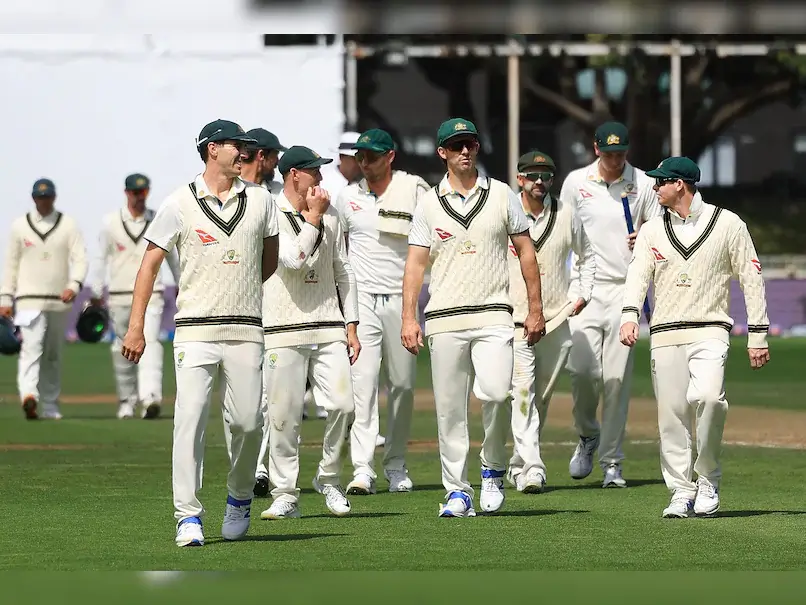
McCullum was clear about the scale of Australia’s dominance. England were outplayed in every discipline. Bat, ball, and field. The hosts were sharper, more consistent, and more relentless throughout the series.
Australia’s execution stood out most. Their bowlers maintained accuracy for long spells. Their batters absorbed pressure without panic. Their fielding turned moments into match-defining advantages. McCullum described it as the most precise Australian side he had seen in years.
England, by contrast, struggled to impose itself. They failed to seize the pressure moments. Missed chances in the field compounded scoreboard pressure. The gap between the sides widened with every session.
Late Fight Highlighted What England Missed Early
England’s resistance on the final day in Adelaide offered brief encouragement. Chasing an impossible 435, they recovered from deep trouble to post 352. It was their highest score of the series and their best in Australia since 2017.
That fight followed a strong bowling effort earlier, when Australia lost six wickets for 38 runs. For McCullum, this sequence only sharpened the frustration. England finally played their best cricket when the series was already slipping away.
The head coach admitted this raised serious questions. Why did clarity arrive only at the end? Why did freedom replace tension so late? These are now central themes in England’s Ashes review.
Preparation Choices Under the Spotlight
Much of the post-series scrutiny will focus on England’s preparation. Their lone warm-up match came on a slow Perth surface that offered little resemblance to Test conditions. They skipped a pink-ball fixture against the Prime Minister’s XI.
Ahead of the second Test, England opted for five days of intense training. McCullum famously suggested they may have “over-prepared”. After losing 3–0, he conceded that those decisions deserved reassessment.
He accepted full responsibility. As head coach, he owned the process. With hindsight, he questioned whether England needed more match play before the first Test and less before the second. The conviction was there. The outcome was not.
Pressure, Expectation, and Playing Without Freedom
McCullum believes expectation became England’s biggest constraint. The players wanted success badly. The desire to perform may have tightened rather than liberated them.
He noted that England’s best cricket came once the pressure eased. When the outcome no longer mattered, they played with freedom. That contrast has forced difficult reflection for both players and coaches.
The challenge now is clear. England must learn how to unlock freedom under pressure, not after it disappears. That lesson applies beyond this Ashes series.
Inexperience and Decision-Making Under Fire
England arrived with an inexperienced attack. Injuries worsened that imbalance. None of the remaining specialist bowlers had played a Test in Australia before this tour. Australia, by contrast, leaned on years of shared experience.
McCullum acknowledged that pressure blurs decisions. When to attack. When to hold shape. England sometimes hesitated between plans. That hesitation proved costly.
He admitted that clarity should have been absolute. Style, intent, and method must remain constant regardless of the results. That consistency wavered as defeats mounted.
Pride and Purpose Ahead of Melbourne
Despite the series loss, McCullum insists the tour is not over. England have not won a Test in Australia since 2011. That drought remains motivation enough.
The message before Melbourne is simple. Play without fear. Release expectation. Compete fully. England still has a chance to take something from this tour, even if the urn is gone.
McCullum believes belief remains possible, but only if England immerses itself in the contest rather than the consequences.
Why England Failed to Control Key Ashes Moments?
Ashes series are rarely lost through talent gaps alone. They are lost in moments. England consistently failed to control those moments across the first three Tests. Small windows became turning points. Australia capitalised. England hesitated.
Key sessions slipped away repeatedly. New-ball spells lacked sustained accuracy. Middle sessions leaked momentum. Fielding lapses turned pressure into release. Each mistake carried weight.
Australia, by contrast, squeezed relentlessly. They recognised moments and owned them. England reacted instead of dictating. That reactive pattern shaped the series.
McCullum indirectly acknowledged this flaw. England trained hard but failed to translate preparation into decisive execution. In elite Test cricket, clarity under pressure matters more than intent. England found clarity too late.
Bazball Identity Tested by Australian Conditions
This Ashes posed the biggest challenge yet to England’s playing identity. The Bazball approach thrives on freedom and clarity. Australian conditions demanded patience, discipline, and adaptability. England struggled to blend those demands.
Early in the series, England oscillated between aggression and caution. Batters searched for tempo. Bowlers searched for control. The identity blurred.
Australia forced England into this confusion. Length bowling. Heavy fields. Scoreboard pressure. The conditions punished half-decisions.
McCullum admitted the system stalled under pressure. The lesson is not to abandon identity. It is to refine it. Bazball must travel. It must adapt. Otherwise, it risks becoming condition-specific rather than universal.
What England Must Fix Before the Next Away Ashes?
The most important work now begins off the field. England’s next Ashes tour cannot repeat this cycle. Preparation must become condition-specific, not belief-driven alone.
Warm-up matches must mirror Test environments. Bowlers need overs on surfaces that bite back. Batters need time against relentless accuracy. Training volume must support freshness, not drain it.
Selection planning also needs adjustment. Experience cannot be ignored in Australia. Youth brings energy. Experience brings clarity. England lacked balance in this series.
McCullum’s honesty creates opportunity. The system remains strong. The culture remains united. What changes next will define England’s future away from home.
Conclusion
This Ashes defeat marks a rare moment of public self-critique for Brendon McCullum. He has accepted that preparation, clarity, and freedom all fell short. Australia exposed those gaps ruthlessly.
Yet within the disappointment lies opportunity. England found glimpses of their identity late in Adelaide. The challenge now is to rediscover that state sooner, not later. The Ashes are lost. Lessons remain. What England does with them will define the next chapter.