

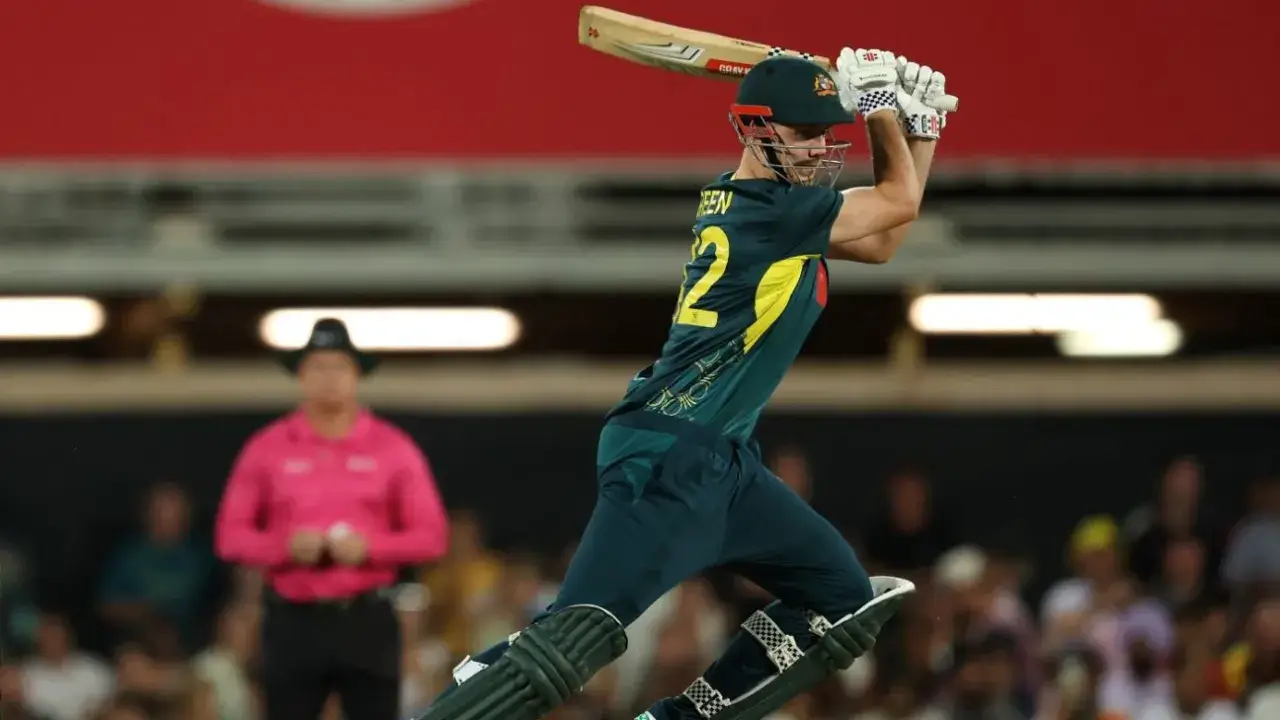
Kolkata Knight Riders made history at the IPL 2026 auction by signing Cameron Green for a staggering ₹25.20 crore, the highest amount ever paid for an overseas player. The move eclipsed KKR’s own previous record of ₹24.75 crore for Mitchell Starc in 2024 and underlined a clear shift in how franchises now value elite all-rounders. This was not a moment of impulse. It was a calculated statement of ambition.
Green became only the third Australian to cross the ₹20 crore barrier after Starc and Pat Cummins. Despite the headline figure, IPL rules mean Green will earn a capped salary of ₹18 crore, with the remaining ₹7.20 crore going to the BCCI. Even with that caveat, the bid reflects how rare multi-phase contributors have become in the modern IPL economy.
Across the last two seasons with the Mumbai Indians and the Royal Challengers Bengaluru, Green has scored 707 runs at a strike rate of 153.69. His ability to bat across positions, absorb pace early, and provide seam bowling balance made him a near-perfect fit for KKR’s squad planning. For a team seeking stability after multiple high-profile exits, Green represents both insurance and upside.
Early Phase of IPL 2026 Auction
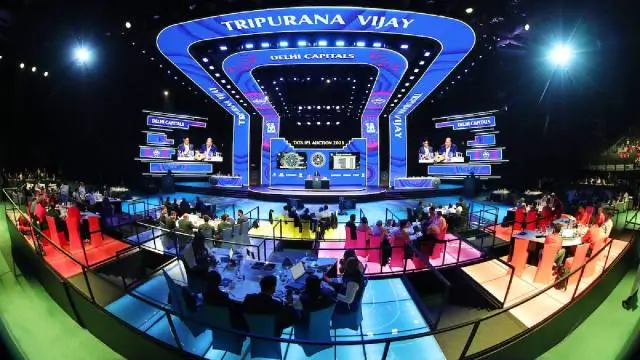
The early phase of the auction revealed a clear trend: teams were chasing balance, not specialists. That reality left players like Liam Livingstone surprisingly unattended early, while franchises fought harder for adaptable Indian all-rounders. Royal Challengers Bengaluru edged past KKR to sign Venkatesh Iyer for ₹7 crore, reuniting him with Madhya Pradesh captain Rajat Patidar and signalling a renewed focus on familiarity and role clarity like in the Mumbai Indians.
KKR responded later by strengthening their bowling spine. Matheesha Pathirana triggered a fierce bidding contest involving Delhi Capitals and Lucknow Super Giants before KKR stepped in decisively to secure him for ₹18 crore. Pathirana’s awkward action and death-over accuracy make him one of the most disruptive bowlers in T20 cricket, and his addition gives KKR a potent finishing option with the ball.
Elsewhere, the Rajasthan Royals continued reshaping their spin attack after acquiring Ravindra Jadeja in the trade window. They outlasted Chennai Super Kings and Sunrisers Hyderabad to sign Ravi Bishnoi for ₹7.20 crore, committing further to a spin-heavy middle-overs strategy that has defined their recent planning.
Chennai Super Kings, meanwhile, stunned the room by shattering records for uncapped players. Prashant Veer and Kartik Sharma were both picked up for ₹14.20 crore, making them the joint most expensive uncapped signings in IPL history. The aggressive bids reflected CSK’s willingness to invest early in players they believe can anchor their future core rather than merely fill bench roles.
The demand for wicketkeeper-batters and domestic fast bowlers remained strong throughout the middle rounds. Young keepers with high strike rates drew competitive bidding, while Indian pacers capable of hitting high speeds commanded premiums. Delhi Capitals secured Auqib Nabi for ₹8.40 crore, while LSG invested in left-arm speedster Naman Tiwari, continuing the league-wide push for raw pace.
Final Phase of The Auction
The final phase of the auction brought late drama and second chances. Liam Livingstone returned to spark a bidding war before Sunrisers Hyderabad landed him for ₹13 crore. Josh Inglis enjoyed a late windfall with an ₹8.60 crore move to LSG, while Prithvi Shaw finally found a home after two unsuccessful rounds, picked up by Delhi Capitals at the base price.
Several teams quietly strengthened depth through smart base-price deals. Wanindu Hasaranga, David Miller, Quinton de Kock, and Ben Duckett were among the notable names snapped up without prolonged battles, highlighting the importance of patience in a long auction.
By the end of the day, the IPL 2026 auction had revealed a clear hierarchy of priorities. Elite all-rounders now command historic premiums. Uncapped Indian talent is no longer discounted. Pace, flexibility, and future planning have overtaken reputation alone. And at the centre of it all stood KKR’s record-breaking bet on Cameron Green, a signing that may well redefine how IPL auctions are approached going forward.
Why KKR Valued Cameron Green So Highly?
Cameron Green offers rare flexibility that few players in the IPL provide. He can bat in the top order or finish innings late. His height allows him to generate bounce even on flat surfaces. That gives captains tactical freedom across venues.
Over the last two IPL seasons, Green scored 707 runs. He did so at an impressive strike rate of 153.69. Those numbers came while playing different roles for two franchises. That adaptability adds significant value in auction planning.
KKR were searching for a core player to stabilise their XI. They wanted someone who could absorb pressure without constant reshuffling. Green gives them that option without forcing compromises elsewhere. His presence allows better role clarity for others.
The signing also reflects a broader league trend. Teams are now prioritising multi-skill players over specialists. Green sits at the very top of that category. That alone explains why KKR were willing to go all the way.
All-Rounders Set the Early Auction Tone
The opening phase of the auction showed a clear pattern. Teams were reluctant to spend heavily on one-dimensional players. Instead, franchises chased versatility and game control. That shift caught several big names off guard.
Liam Livingstone surprisingly went without bids early. Meanwhile, Indian all-rounders became key targets. Royal Challengers Bengaluru and KKR fought hard for Venkatesh Iyer. RCB eventually secured him for ₹7 crore.
The move reunited Iyer with Madhya Pradesh captain Rajat Patidar. It also reflected RCB’s focus on familiar leadership structures. Compared to his ₹23.75 crore price last year, the drop was significant. Teams were clearly reassessing risk.
For KKR, missing out on Iyer did not slow momentum. They stayed disciplined and waited for bowling options later. That patience allowed them to strike decisively when opportunities appeared.
KKR Strengthens Bowling Core with Pathirana
Matheesha Pathirana became the next major flashpoint at the auction. Delhi Capitals and Lucknow Super Giants pushed the bidding aggressively. Once Delhi stepped back, KKR entered with intent. The final price settled at ₹18 crore.
Pathirana’s value lies in his awkward release and yorker accuracy. Few bowlers disrupt batters at the death like he does. His skill set becomes even more dangerous on slower Indian pitches. That makes him a strategic weapon.
KKR now possess a stronger death-bowling option than last season. The signing balances their attack across powerplay and slog overs. It also reduces dependence on a single strike bowler. That depth often defines title-winning teams.
LSG responded by securing Anrich Nortje at base price. The contrast highlighted different auction philosophies. KKR chased impact, while LSG focused on value.
CSK Rewrite Uncapped Player Valuations
Chennai Super Kings shocked the auction with record-breaking uncapped bids. Prashant Veer and Kartik Sharma were bought for ₹14.20 crore each. That figure set a new benchmark for uncapped players. It signalled complete trust in domestic scouting.
Veer is a left-arm spin all-rounder compared frequently to Ravindra Jadeja. He scored 320 runs and took eight wickets in the UPT20 league. His calm temperament impressed CSK’s think tank. They see him as a long-term investment.
Kartik Sharma is a 19-year-old wicketkeeper-batter with explosive power. He has 334 runs in 11 T20 innings at a strike rate of 162.92. His six-hitting ability attracted multiple teams. CSK simply refused to back down.
These bids confirmed a major shift in IPL economics. Uncapped talent is no longer seen as backup material. Teams are now willing to build future cores immediately.
Domestic Pace and Wicketkeeper-Batters Gain Premium
The middle rounds focused heavily on Indian speed and wicketkeeping depth. Teams want players who can contribute immediately. Raw pace has become a prized asset. That demand pushed prices upward.
Delhi Capitals beat Sunrisers Hyderabad to sign Auqib Nabi for ₹8.40 crore. The Jammu and Kashmir pacer impressed during a strong domestic season. His ability to hit the deck hard stood out. Delhi viewed him as a ready-made option.
Lucknow Super Giants invested in Naman Tiwari for ₹1 crore. The left-arm pacer regularly touches 140 kmph. He also featured in the 2024 U19 World Cup. LSG see him as a long-term bowling project.
Wicketkeeper-batters also attracted steady interest. Mukul Choudhary went to LSG for ₹2.60 crore. Salil Arora joined SRH after a standout domestic campaign. These picks underline the value of dual-role players.
Late Drama, Second Chances, and Smart Buys
The final phase of the auction delivered renewed intensity. Liam Livingstone returned and sparked a bidding war. Sunrisers Hyderabad eventually secured him for ₹13 crore. It marked a salary increase after his RCB stint.
Josh Inglis found a late buyer as well. Lucknow Super Giants secured him for ₹8.60 crore. His keeping and middle-order flexibility appealed strongly. Timing worked in his favour.
Prithvi Shaw finally saw success on his third call. Delhi Capitals picked him up at base price. It was a low-risk, high-upside decision. Several teams applauded that restraint.
Base-price bargains shaped smart squads quietly. Wanindu Hasaranga, David Miller, Quinton de Kock, and Ben Duckett stood out. Patience proved just as valuable as aggression.
Conclusion
The IPL 2026 auction made one reality impossible to ignore. The league has entered a new valuation era. All-rounders now sit at the very top of the market. Flexibility matters more than reputation alone.
KKR’s ₹25.20 crore investment in Cameron Green defined the day. It was bold, calculated, and symbolic. The move reshaped how overseas players are valued. It also set a reference point for future auctions.
Uncapped Indian players commanded unprecedented trust. Domestic pace continued its steady rise. Wicketkeeper-batters remained highly sought after. Every trend pointed toward adaptability and long-term planning.
As teams walked away from the auction table, one thing was clear. IPL auctions are no longer about filling gaps. They are about building systems. And Cameron Green now sits at the centre of KKR’s new one.