

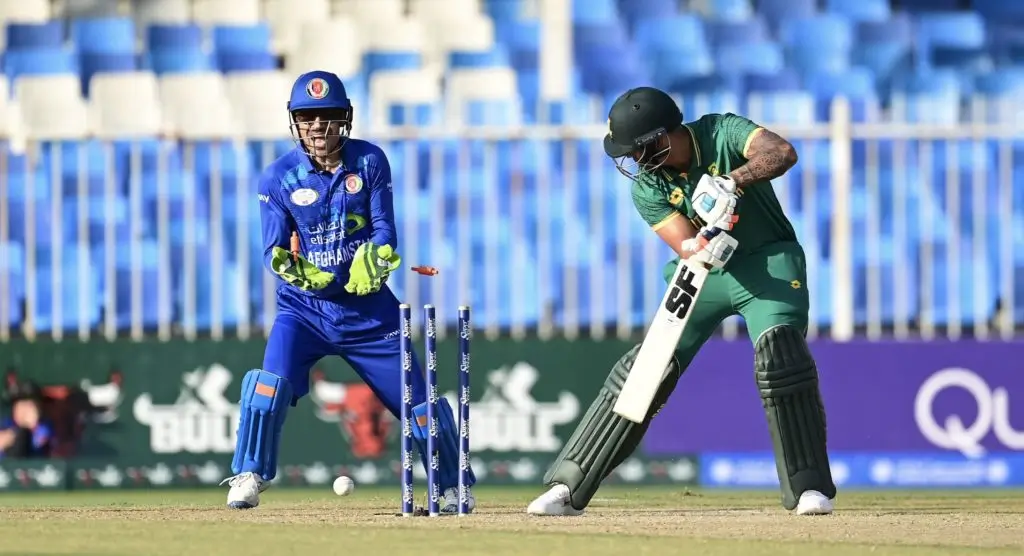
South Africa’s T20 World Cup squad raised eyebrows the moment Jason Smith appeared on the list. With only five international caps, Smith’s selection looked risky, especially ahead of more familiar names. Yet this call reflects a deeper shift in South Africa’s selection thinking. Recent tournaments have shown that form timing matters more than reputation.
Smith arrives not as a prospect, but as a finished domestic performer whose game has evolved late. The selectors believe his recent power surge outweighs his limited exposure. In short tournaments, impact overs matter more than experience totals. Smith fits a specific need rather than a traditional profile. This article explains who Jason Smith is, how his game has changed, and why South Africa trust him on the biggest stage.
Table of Contents
ToggleJason Smith’s Late-Blooming Career Path
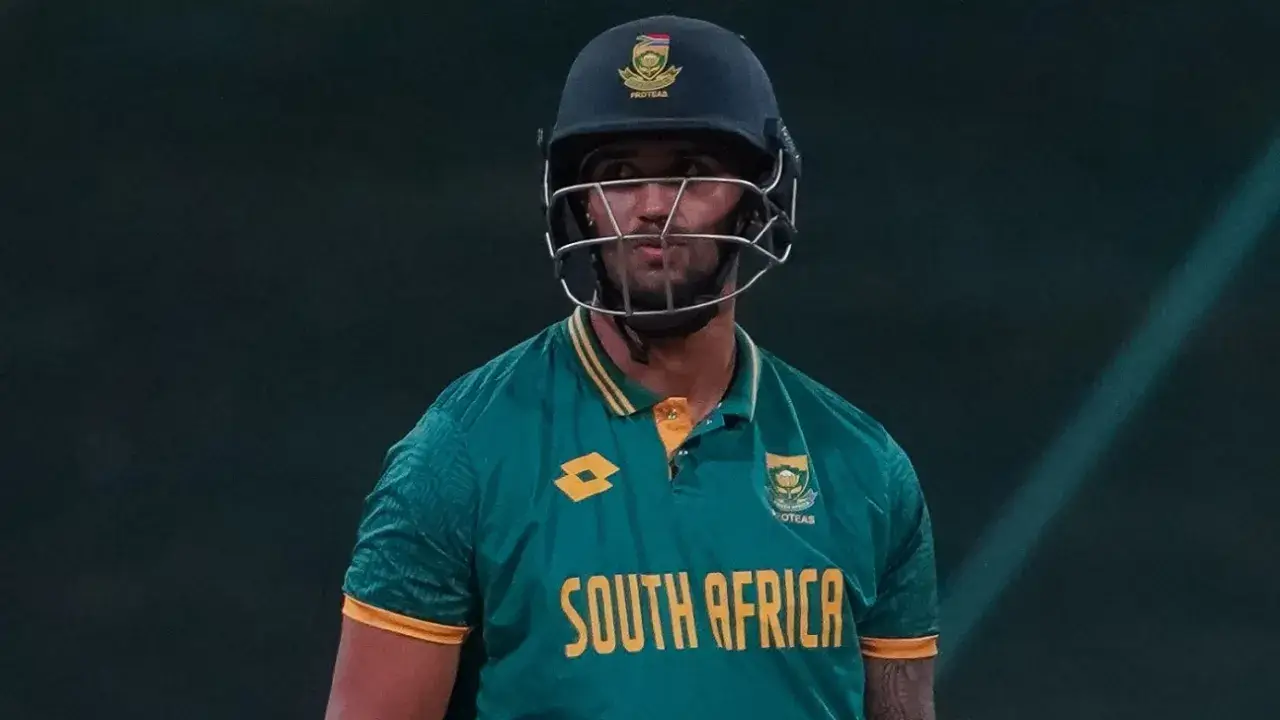
Jason Smith’s journey has been long, patient, and mostly away from the spotlight. Now 31, he spent over a decade in South African domestic cricket without sustained national attention. He developed primarily in the Western Cape system before relocating to Durban for broader opportunities. Unlike fast-tracked prodigies, Smith refined his game slowly across formats. His early T20 numbers were steady rather than explosive, making him easy to overlook. What changed was not opportunity, but intent.
Over the last two seasons, Smith reshaped his batting role from accumulator to finisher. That transition required technical adjustment, not just mindset. The selectors see maturity as an advantage, not a drawback. Smith arrives with clarity about his game and fewer illusions. That grounded self-awareness is part of why South Africa finally opened the door.
Why Smith Was Picked Over Tristan Stubbs?
The comparison with Tristan Stubbs defines public debate around this selection. Stubbs offers international exposure and IPL pedigree but enters the World Cup short on confidence. His T20I returns this year have been modest, with no innings crossing forty. South Africa faced a choice between potential rediscovery and current momentum. They chose momentum. Smith’s recent domestic form aligned better with the role required.
The selectors were not questioning Stubbs’ talent. They were questioning timing. In T20 cricket, hesitation costs matches. Smith’s confidence to clear boundaries immediately mattered more than Stubbs’ longer-term ceiling. This was a situational call rather than a verdict on careers. For this World Cup, Smith fits the moment more cleanly.
The Power-Hitting Transformation
Smith’s selection rests almost entirely on his recent power development. Over the past two years, his strike rate jumped beyond 140 in domestic T20s. In the most recent CSA T20 Challenge, it soared near 200. This was not accidental form. Nearly half of his career sixes have come in this short window. Smith consciously rebuilt how he generates force. Instead of overreaching, he focused on balance and contact depth. The result is cleaner hitting rather than forced slogging. Bowlers targeting hard lengths have paid the price. This evolution convinced selectors that Smith could change games quickly. Power hitting that arrives late in a career often proves more reliable. It is built on understanding rather than raw impulse.
Technical Changes Behind the Numbers
The visible change in Smith’s batting stems from subtle technical refinement. Working with Neil McKenzie during his time as CSA batting consultant reshaped Smith’s mechanics. The focus was stability, not strength. Smith learned to keep his front shoulder engaged longer and avoid reaching too far in front. This allowed his hips to drive shots rather than his arms. The result is better control on pulls and flat-batted strokes. His recent SA20 innings showed this clearly against pace. Short balls arriving close to his body became scoring opportunities. This technical base gives selectors confidence under pressure. It suggests Smith’s form is sustainable rather than streaky. Technique-backed power travels better across conditions.
Role Clarity in South Africa’s T20 Setup
Smith’s biggest selling point is role flexibility. South Africa view him as a floating option from No.3 to No.7. That adaptability matters in tournament cricket. Matchups change quickly. Injuries disrupt plans. Smith can stabilize a wobble or accelerate a strong platform. He also offers occasional seam bowling, adding balance without forcing selection compromises. Coach Shukri Conrad values such versatility deeply. This squad prioritizes clarity over star power. Smith knows he may not play every match. But when used, his task is defined. That clarity often separates contributors from passengers in World Cups.
Pressure, Scrutiny, and the Road Ahead
Since his selection, scrutiny around Smith has intensified. Early SA20 struggles have amplified doubts. Yet selectors are betting on temperament rather than short-term noise. Smith’s mindset reflects a player shaped by waiting. He speaks openly about enjoying the journey rather than fearing outcomes. That emotional balance is rare in debut World Cups. South Africa believe he will handle spotlight better than younger alternatives. His under-19 World Cup roots place him among peers who eventually broke through. For Smith, this is not a reward but a test. The gamble lies in whether domestic confidence transfers internationally. South Africa believe it will.