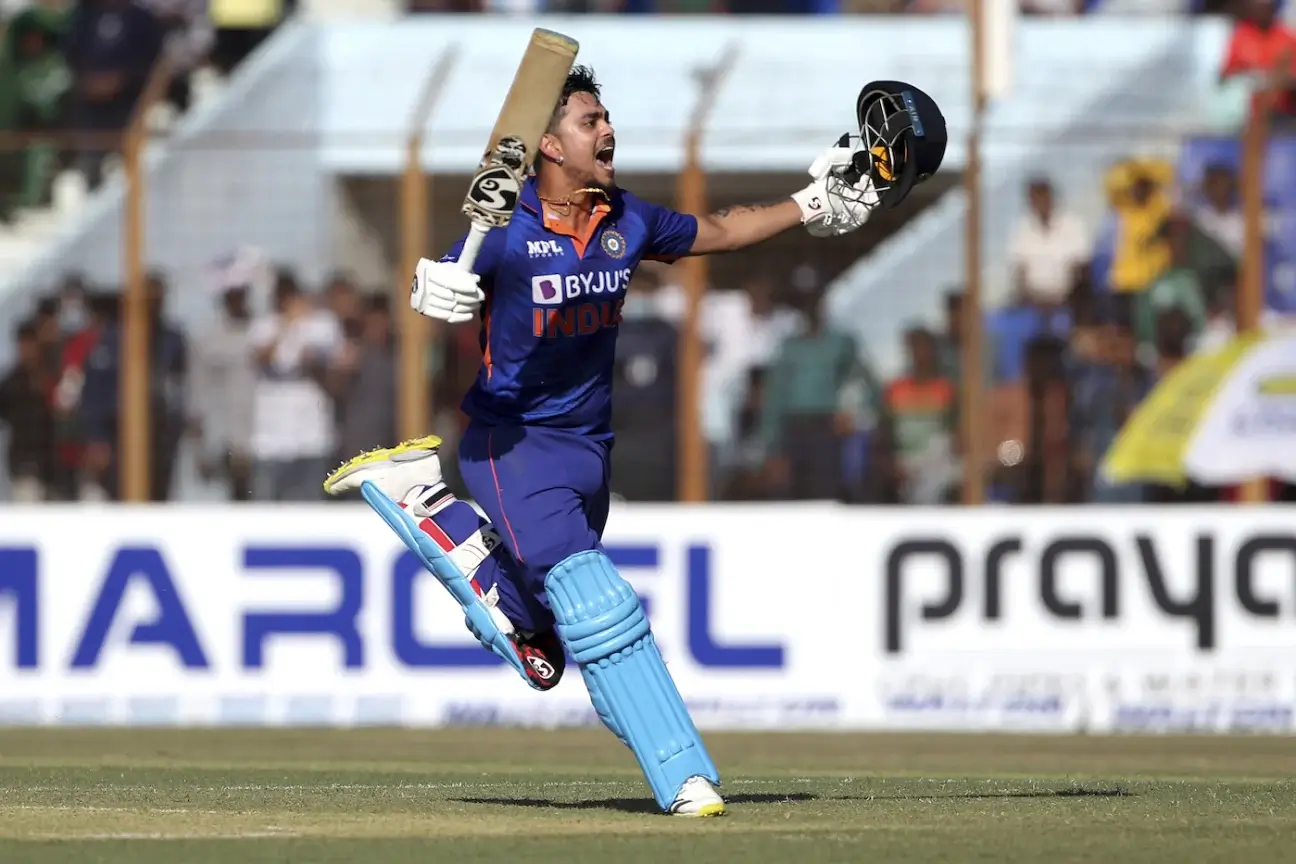
Few modern Indian careers reflect resilience better than that of Ishan Kishan. Two Decembers, separated by two years, tell very different stories. One marked his sudden disappearance from the Indian setup. The other sealed his return, earned through runs, leadership, and renewed clarity.
In December 2023, Kishan stepped away citing personal reasons. What followed was harsher. He lost his central contract. He slipped out of the selector conversations. The noise around him grew louder than his cricket. For a player who once smashed the fastest ODI double century, the fall felt abrupt.
By December 2025, the narrative had flipped. Kishan was back in India’s T20I squad and named in the T20 World Cup plans. The comeback was not sentimental. It was statistical, structural, and earned the hard way like Bangladesh.
The Sudden Fall from the International Picture
Kishan’s exit from the national setup shocked many. Only months earlier, he had been India’s first-choice wicketkeeper in white-ball cricket. With injuries around him, his place looked secure.
The decision to take a break changed everything. The loss of his BCCI contract sent a clear message. Domestic cricket was non-negotiable. For nearly two years, Kishan remained outside selection plans, even as formats changed and new players emerged.
What made this phase harder was the silence. There were no public explanations. No timelines. Just distance from the game’s highest level. For many players, this is where careers fade. For Kishan, it became fuel.
Domestic Cricket Becomes the Reset Button
Kishan’s return path began away from the spotlight. He went back to domestic cricket with purpose, not frustration. His performances across formats steadily rebuilt his case.
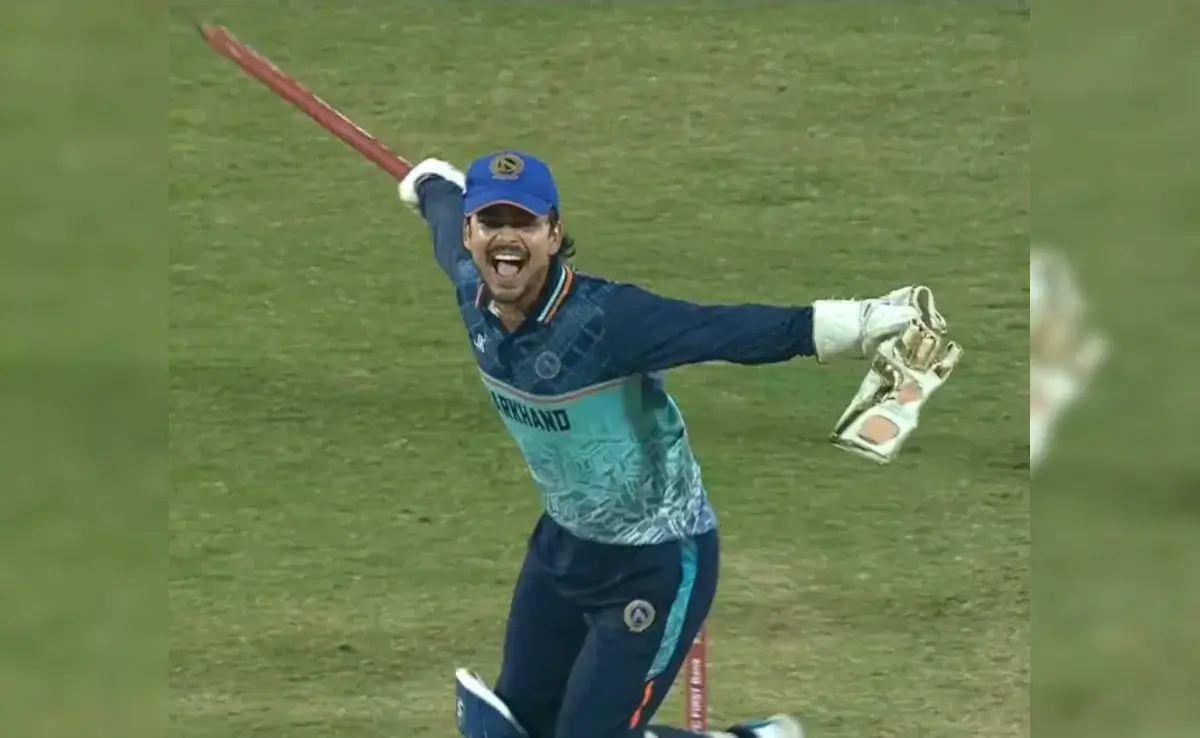
The turning point came during the Syed Mushtaq Ali Trophy. Leading Jharkhand, Kishan dominated the tournament. He finished as the highest run-scorer, striking at nearly 200. Under his captaincy, Jharkhand lifted its maiden SMAT title.
These were not cameo innings. They were statements. Clean hitting. Match awareness. Leadership responsibility. Selectors noticed because they had to. Runs made noise again.
Maturity Replaces Impulse
Former Jharkhand batter Ishank Jaggi, who has known Kishan since his teenage years, pointed to one major change. Maturity. According to him, Kishan now understands his game and himself better.
Earlier, intensity was sometimes mistaken for immaturity. Now, clarity defines his approach. Kishan knows what formats he targets. He knows which areas to refine. That awareness has sharpened his preparation and decision-making.
Crucially, his mental strength never dipped. Even during his exclusion, he continued to work. There was no fear of failure. No retreat. Only adjustment. That mindset separated a comeback from a collapse.
Leadership Shapes the New Version of Kishan
One of the strongest markers of Kishan’s evolution was his captaincy. In Jharkhand, he did not lead passively. He made tough calls. He backed aggressive plans and he demanded intent from everyone.
Dropping senior players. Promoting new openers. Trusting bowlers under pressure. Kishan’s leadership style spread fearlessness across the squad. Teammates followed because the captain led from the front.
This was not new territory. Kishan had captained India at the Under-19 level. But now, leadership came with calm and conviction rather than emotion. It changed how people viewed him.
From Individual Brilliance to Team Value
Kishan’s earlier image revolved around explosive batting. The new version adds structure. He still attacks. He still dominates. But now, he understands game flow. In domestic finals, he paced innings smartly, and in first-class cricket, he showed patience. In white-ball formats, he blended aggression with control.
That balance made him valuable again. Not just as a batter. But as a leader, keeper, and momentum-setter. Selectors prefer reliability over flair alone. Kishan now offers both.
December once marked Kishan’s exit. This time, it marked redemption. His selection for India’s T20I squad and World Cup plans was not emotional compensation. It was recognition of sustained excellence. The road back was not smooth. It was quiet, demanding, and lonely. But it reshaped Kishan into a more complete cricketer.
The challenge now is different. Staying there. Consistency will matter more than comeback stories. After two turbulent years, Ishan Kishan has earned another chance. This time, he looks better equipped to keep it.