

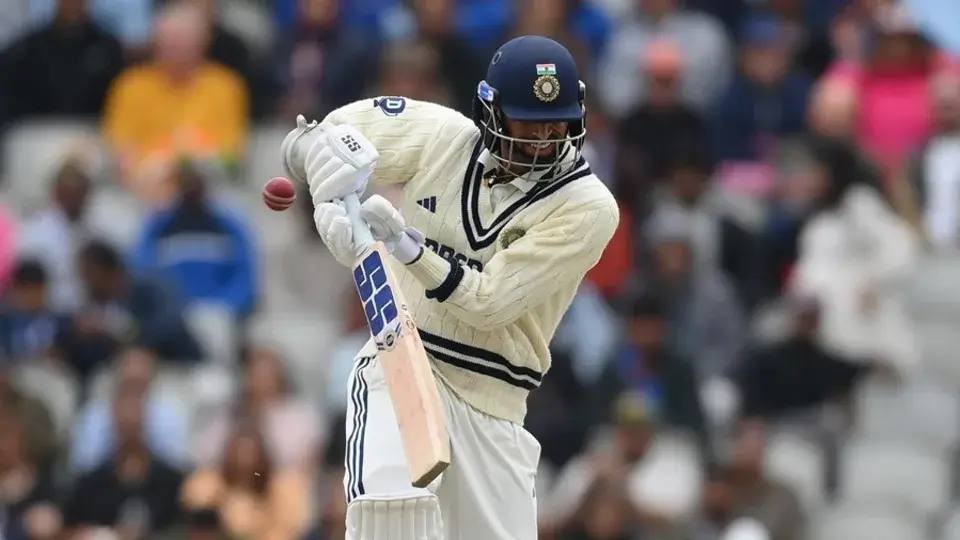
As India edge closer to the T20 World Cup, the conversation around preparation has shifted noticeably. The focus is no longer on who is scoring runs right now, but on who will be ready — physically, tactically, and mentally — when the tournament begins. Recent bilateral results have reinforced confidence, but they have also sharpened attention on squad balance, recovery timelines, and role certainty.
In that context, the optimism surrounding Washington Sundar and Tilak Varma is significant. Neither has featured recently. Neither arrives with immediate form. Yet both are central to India’s World Cup planning. That alone tells a deeper story about how India are thinking about the tournament.
This article breaks down India’s World Cup build-up across nine critical themes — fitness, balance, trust, competition, and long-term clarity — to explain why current selection decisions are less about today’s scorecards and more about February’s realities.
Why Washington Sundar’s Recovery Is Central to India’s Balance?
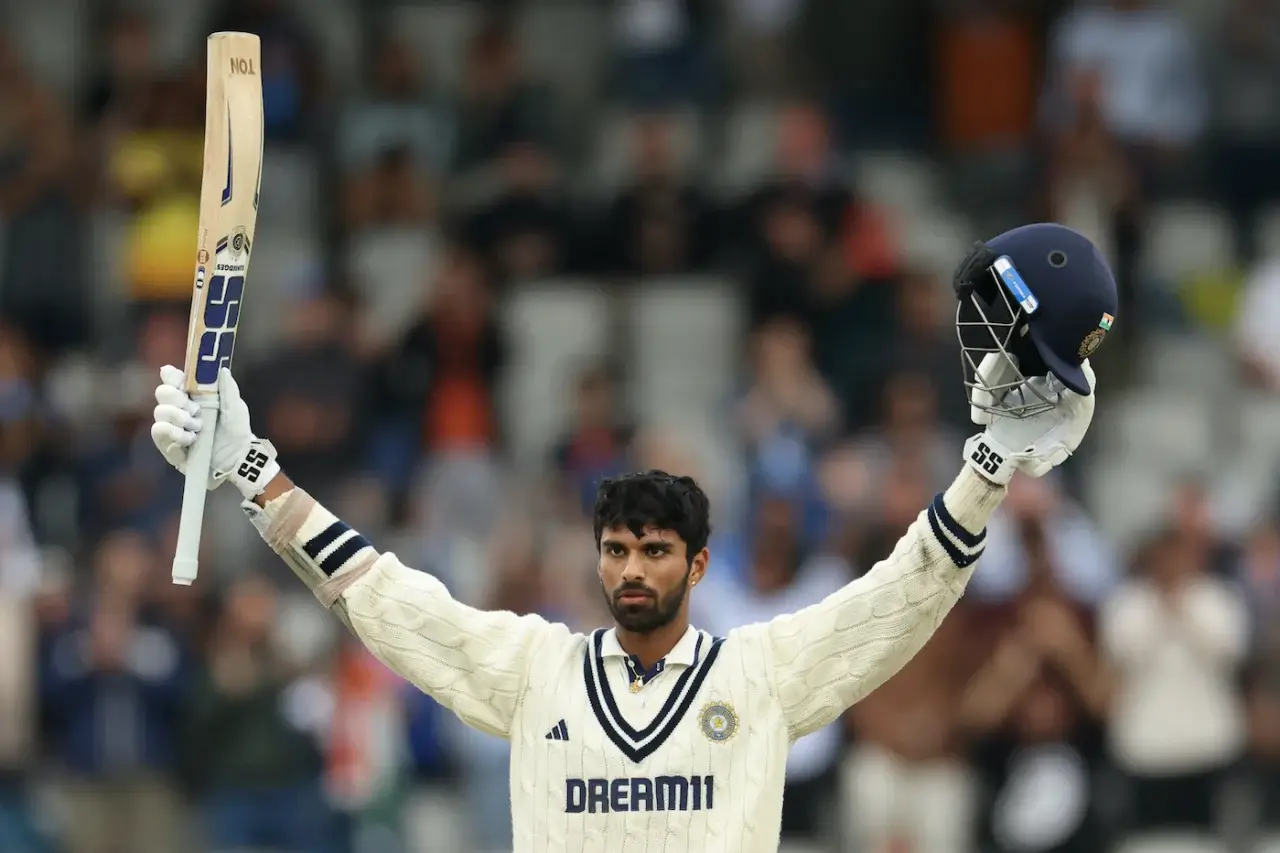
Washington Sundar’s return is not just about adding another all-rounder. It is about restoring structural flexibility to India’s XI. Sundar offers something rare — offspin that can operate in the powerplay, combined with batting that stabilises the lower middle order.
India’s current T20 setup leans heavily on left-arm spin and wrist spin like teams against Bangladesh. Sundar adds contrast. Against right-hand-heavy batting line-ups, his angle and pace control become invaluable. More importantly, he allows India to lengthen their batting without sacrificing bowling overs.
His injury absence forced India into compromise selections. Those compromises worked in bilaterals, but World Cups punish imbalance. Sundar’s recovery timeline therefore carries disproportionate importance.
Selectors remain confident not because Sundar is close to match fitness, but because his injury does not threaten long-term performance. Rib issues require caution, not reinvention. Rehab at the Centre of Excellence signals controlled progression rather than rushed return.
If Sundar is available, India gain adaptability. If he is not, they must lock into narrower combinations. That difference could define matches on slower World Cup surfaces.
Tilak Varma’s Role Goes Beyond a Middle-Order Slot
Tilak Varma’s expected return adds another layer of intrigue. On paper, he is a middle-order batter. In practice, he represents a tactical pivot point. Tilak’s ability to play spin fluently at high strike rates makes him ideal for middle overs — a phase where India have occasionally stalled in past ICC events.
Unlike pure finishers, Tilak builds innings without killing momentum. That makes him particularly valuable in collapses or chases where acceleration must be delayed, not abandoned. His presence also allows India to float roles rather than lock positions rigidly.
The optimism around his fitness suggests India view him as more than depth. They view him as an option who improves the XI’s shape. A minor surgery and short recovery window do not alter that belief.
India’s management have been clear: Tilak will return only when fully ready. That patience reflects confidence in his long-term value rather than desperation for immediate output.
Why India Are Backing Players Over Numbers?
Perhaps the most telling aspect of India’s build-up is the unwavering backing of players whose recent numbers do not inspire confidence. This is deliberate. India are prioritising role fit over form spikes.
T20 World Cups rarely reward teams that chase short-term trends. They reward teams that trust defined roles. India appear committed to that philosophy. Players like Sanju Samson remain part of the plan despite uneven returns because their skill sets solve specific problems.
This approach is not risk-free. But it is intentional. India have learned from past tournaments where reactive selection created instability.
Selectors are looking for familiarity under pressure. Players who understand expectations often outperform those riding temporary form. That belief explains why changes are limited and patience is visible.
Sanju Samson, Ishan Kishan, and the Opener Debate
The Samson–Kishan debate highlights India’s depth dilemma. Both bring value. Both offer contrasting approaches. Yet India are careful not to frame this as a survival contest.
Samson’s numbers have dipped, but his training outputs and adaptability keep him relevant. Kishan’s form strengthens competition but does not necessarily force exclusion.
India’s likely approach is flexibility. One may open. One may float. What matters is keeping both options available rather than locking prematurely.
This reflects India’s broader strategy: maximise choices, minimise panic.
The Shubman Gill Conversation Reveals Selection Philosophy
Calls for Shubman Gill underline public discomfort with exclusion, not internal doubt. Gill’s quality is unquestioned. His absence reflects balance constraints, not merit.
India already possess multiple top-order anchors. What they need are disruptors and finishers. Gill’s omission signals a shift in T20 thinking rather than rejection of talent.
Former-player endorsements do not alter that calculus. India are selecting for tournament roles, not reputations.
How India Are Managing Workload Ahead of the World Cup?
India’s schedule management reveals long-term planning. Resting key players, rotating bowlers, and limiting exposure are all deliberate.
The idea is simple: arrive fresh. India have depth. They are using it.
Washington Sundar’s rehab, Tilak’s phased return, and controlled workloads for senior players reflect a unified strategy rather than individual decisions.
India are less concerned with finalising a fixed XI than ensuring every combination makes sense. That mindset allows adaptability once conditions demand it.
World Cups rarely allow ideal line-ups every game. India are preparing for compromise scenarios — injuries, pitches, matchups. That preparation begins now.
Why India Believe This Squad Can Peak at the Right Time?
Confidence inside the camp appears grounded, not complacent. India’s recent T20 streak builds belief, but selection choices reveal humility.
They are aware of unfinished business from previous tournaments. The emphasis on fitness, balance, and clarity reflects lessons learned.
H2: What This Build-Up Says About India’s World Cup Intent
India are not chasing dominance headlines. They are chasing control. Control of fitness. Control of roles. Control of momentum.
Washington Sundar and Tilak Varma symbolise that approach. Their readiness matters not because of star power, but because of balance. In T20 World Cups, balance often separates contenders from champions.
Conclusion
India’s World Cup preparation is being shaped quietly, deliberately, and with purpose. Optimism around Washington Sundar and Tilak Varma is not emotional. It is structural.
Selectors are betting on balance over bursts, trust over turbulence, and timing over immediacy. Whether that bet pays off will be decided in February.
For now, India appear clear about one thing: the path to winning does not always start with today’s scorecard.

