

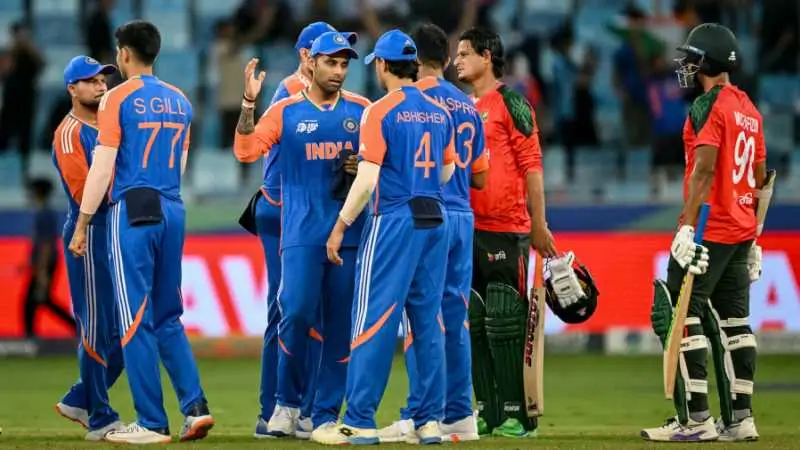
Winning a World Cup requires far more than individual brilliance. It demands clarity of roles, tactical balance, and flawless execution across changing conditions. India enter this World Cup cycle with depth, experience, and lessons from painful past exits. Those setbacks have quietly reshaped planning.
India’s recent white-ball approach reflects genuine evolution. Batting intent is clearer and more purposeful. Bowling roles are better defined across phases. Selection now prioritizes match impact over reputation.
This article breaks down India’s World Cup strategy step by step. It explains what must work, where margins decide matches, and why execution outweighs star power. Championships are not won by the best squads alone. They are won by teams that peak together at the right time.
Batting Philosophy: Attacking with Control, Not Chaos
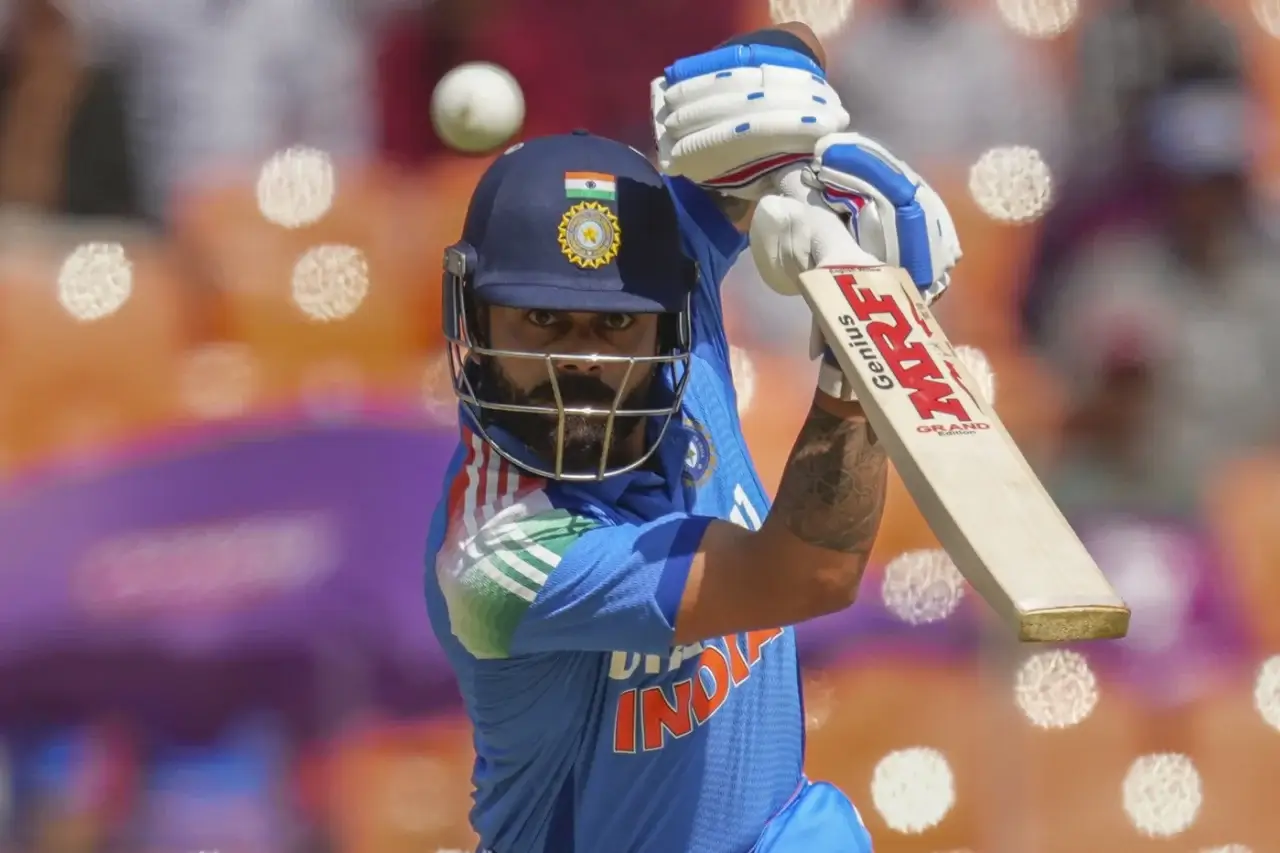
India’s batting strategy has moved decisively away from cautious accumulation. The focus is now on controlled aggression rather than blind risk. Powerplay momentum is treated as a foundation, not a bonus. That shift reduces pressure later in the innings.
Openers are encouraged to dictate tempo instead of preserving wickets. Middle-order roles are clearly defined. Finishers are protected from impossible run-rate situations. This structure creates smoother innings progression.
Balance remains the key challenge. Over-attacking early can still expose fragility. India’s success depends on reading surfaces quickly and adjusting intent accordingly. Intent must respond to conditions, not override them.
Modern World Cups reward teams that score early without collapsing. India’s revised batting philosophy aligns with this reality. Intent now serves strategy, not ego.
Powerplay Control as India’s First Winning Lever
India’s World Cup journey begins inside the first six overs. Powerplays decide narrative control early. Strong starts force opponents into defensive thinking. Weak starts shift pressure instantly.
India now target boundary options with clear percentages. Field restrictions are exploited deliberately rather than emotionally. Batters focus on strong scoring zones instead of highlight shots. This approach increases output while limiting risk.
Crucially, wicket loss is contextualized. Losing one wicket while scoring quickly is acceptable. Losing momentum is not. That clarity helps batters make calmer decisions under pressure.
Against elite bowling attacks, powerplay control becomes non-negotiable. India’s recent shift shows awareness of this truth. Consistently winning powerplays significantly raises title probability.
Middle-Overs Management: Fixing India’s Historic Weakness
India’s past World Cup exits often traced back to middle overs. Dot-ball pressure increased. Strike rotation slowed. Partnerships failed to grow. That phase is now a central focus.
The revised approach prioritizes rotation over boundary obsession. Batters are encouraged to keep the scoreboard moving constantly. Spinners are targeted selectively, not recklessly. This prevents run-rate stagnation.
Opposition bowling matchups are studied deeply. India aim to neutralize spin threats through intent, placement, and footwork. This keeps pressure on the fielding side.
Middle overs are no longer treated as survival periods. They are consolidation phases that set up finishes. If India maintain momentum here, death overs become far simpler.
Why Middle-Order Role Clarity Is Non-Negotiable?
India’s middle order previously suffered from identity confusion. Players alternated between anchoring and attacking roles. That hesitation proved costly in big matches.
Clear roles allow partnerships to grow naturally. Batters complement each other instead of duplicating approaches. That synergy becomes critical under knockout pressure.
India’s ability to preserve structure during middle overs may decide semifinal and final outcomes. Talent exists. Discipline will determine success.
Bowling Strategy: Phase Control Over Individual Brilliance
World Cups are won by bowling units, not standout spells. India’s strategy reflects this understanding. The focus is on phase-wise control rather than moments of magic.
New-ball bowlers attack specific lengths and channels. Middle-overs bowlers defend scoring zones. Death-over specialists prioritize execution over experimentation. Every phase has a defined plan.
Variety plays a central role. Pace changes, angle variation, and right-left combinations disrupt batting rhythm. India’s depth allows tactical flexibility across venues.
The goal is not relentless aggression. It is sustained pressure. World Cup bowling success depends on discipline more than raw speed.
Death-Overs Execution as India’s Ultimate Test
Death overs separate contenders from champions. India have improved significantly, but consistency remains essential. Execution must survive the most intense moments.
Plans are now simplified. Bowlers back their strengths instead of overusing tricks. Field placements align clearly with bowling plans. Communication between captain and bowlers remains constant.
In knockout matches, death overs decide legacies. India’s ability to close innings calmly could define this campaign.
Leadership, Calm, and Decision-Making Under Pressure
India’s failures in knockouts rarely stemmed from talent gaps. They stemmed from composure lapses. Leadership clarity becomes critical when margins shrink.
Decision-making speed has improved. Plans are pre-set rather than reactive. Captains trust systems instead of instincts alone. That reduces emotional errors.
Senior players now actively guide younger teammates. On-field communication has increased noticeably. World Cups punish panic brutally. India’s leadership growth may become the quiet difference this time.
Handling High-Pressure Moments Without Collapse
Pressure exposes mindset more than technique. India aim to normalize pressure through preparation. Scenario-based training plays a major role.
Batters rehearse collapses, not just smooth innings. Bowlers practice defending small margins repeatedly. Familiarity builds confidence.
When pressure arrives, players rely on muscle memory instead of fear. That psychological shift is crucial in knockout matches.
India’s success will depend on responding calmly rather than reacting emotionally. Controlled execution wins trophies.
Squad Rotation and Timing the Peak Correctly
India’s planning focuses on peaking at the right moment. Not every series demands full-strength lineups. Workload management is now strategic.
Rotation prevents burnout and builds bench confidence. Fringe players remain match-ready. Senior players stay fresh.
This approach sometimes sacrifices short-term results. However, long tournaments reward freshness over form streaks.
India’s depth allows this luxury. Using it wisely could become a decisive advantage.
Why Squad Depth Gives India a Structural Advantage?
Few teams possess India’s bench strength. Like-for-like replacements exist across roles. Injury disruptions cause minimal imbalance.
Depth also fuels internal competition. Standards rise naturally. Complacency fades quickly. Adaptability matters greatly in long tournaments. India’s depth allows tactical switches without panic.
India have talent, experience, and a clearer strategy than before. Execution remains the final hurdle. Powerplay intent must stay controlled. Middle overs must remain stable. Death bowling must hold nerve. Leadership must stay calm.
World Cups rarely reward perfection. They reward adaptability under pressure. India’s current blueprint aligns with that reality. If execution matches planning, India’s long wait for another World Cup may finally end.