The 2026 T20 World Cup is closer than most teams realise, and the preparation windows reveal a clear separation between sides that are ready and sides that are not. India, the defending champions, have embraced a demanding route by scheduling ten high-pressure home T20Is across December and January. These games form the backbone of their preparation cycle and will allow them to test roles, refine condition-based tactics, and deepen squad depth.
Most other nations, surprisingly, will enter the tournament with minimal match practice. Australia, Bangladesh, Zimbabwe, Ireland and Afghanistan will play zero T20Is before the event. From a coaching perspective, this creates enormous risk. Limited game-time before a global tournament leads to rusty combinations, unclear roles, and under-prepared decision-making under pressure to dominate the timeline.
India has taken the opposite route — a packed workload that tests their mindset, adaptability, and conditioning. These matches allow their new leadership group, headlined by Gautam Gambhir, to establish a strong identity before the world stage. India enters this preparation with confidence, clarity, and a squad at its peak, understanding of modern T20 demands.
As a coach, I see India’s workload as a strength, not a burden. T20 cricket rewards rhythm, familiarity, and match realism. India will have all three. And that is why they start the 2026 cycle as frontrunners again.
India’s Heavy Pre-World Cup Workload — A Blessing in Disguise
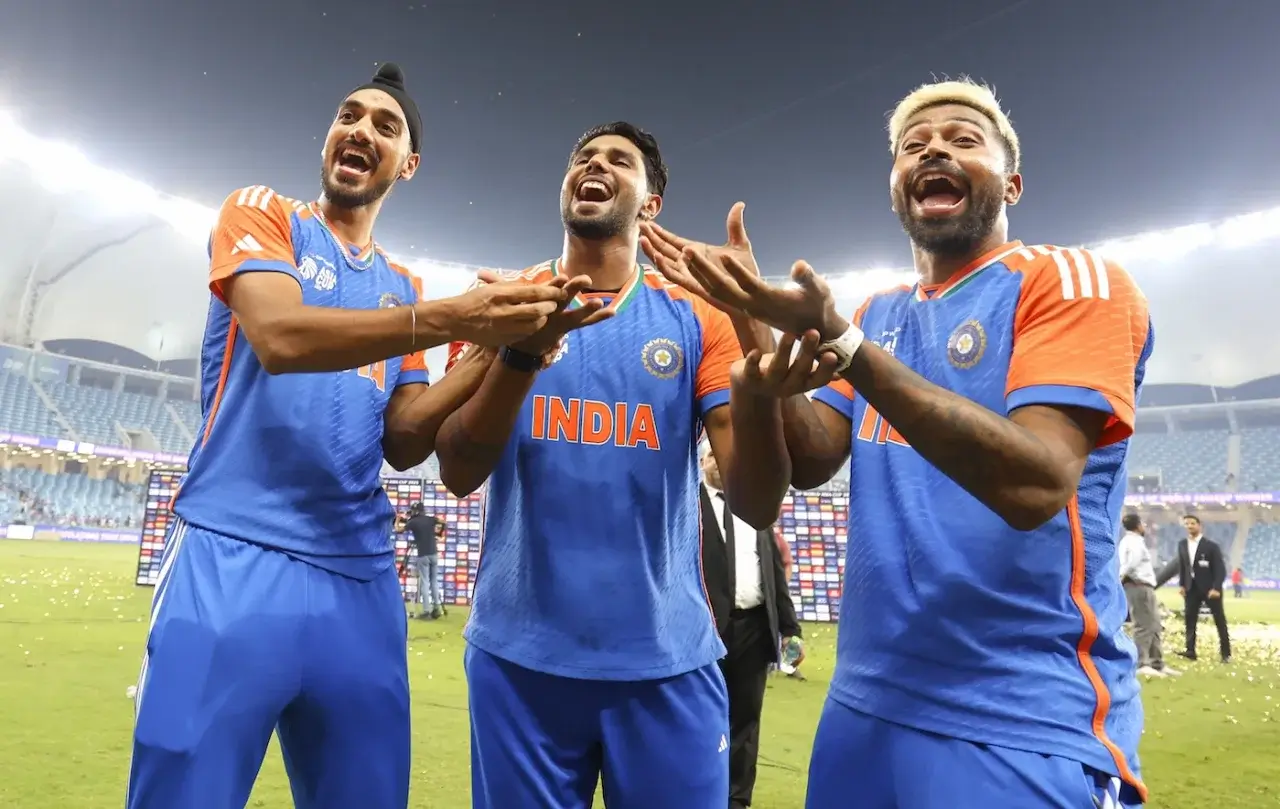
India faces a gruelling stretch of ten T20Is at home: five against South Africa and five against New Zealand. This run is intense, but the timing is perfect for a defending champion seeking repeat success. India’s coaching staff understands that T20 rhythm cannot be simulated in training alone. High-level match exposure builds decision-making, tactical instinct, and emotional readiness.
This schedule allows India to evaluate six bowling options, finishing combinations, and middle-over anchors. Players like Hardik Pandya, Arshdeep Singh, Varun Chakravarthy, and Shubman Gill get continuity in roles. This continuity leads to clearer roles across phases — powerplay attack, middle-overs control, death-overs execution.
The workload also supports leadership evaluation under pressure. Gambhir wants aggressive cricket built on fearless intent. Ten T20Is offer a large enough sample to test whether players can sustain that approach. With the format evolving rapidly, India’s readiness shows a strategic mindset aligned with global trends.
While other teams arrive cold, India will arrive warm, tested, and tactically sharp. In modern T20 cricket, freshness does not beat readiness. India have chosen readiness.
Why Teams With No Preparation Matches Face Massive Risk?
Several Full Member nations — Australia, Afghanistan, Bangladesh, Ireland and Zimbabwe — will enter the World Cup without a single T20I in the lead-up. As a coach, this concerns me more than anything else in this cycle. You cannot replicate match intensity through nets or intra-squad games. Pressure management, fielding shape, communication patterns, and decision execution only sharpen under real match conditions.
Teams without preparation lose rhythm. They lose their understanding of tempo. Their bowlers lose subtle variations under lights. Their batters struggle with strike rotation in early overs. This lack of exposure often translates to slow starts in tournaments — and in T20 World Cups, slow starts mean early exits.
Even strong sides like Australia risk entering underprepared. Their reliance on franchise cricket cannot replace national-team cohesion. T20 cricket demands role clarity, and leagues do not teach national roles; they teach individual performance.
These teams must rely on instincts rather than structured plans. That approach rarely survives knockouts. The World Cup will punish under-prepared sides quickly.
How England, Pakistan, South Africa and New Zealand Approach the Run-In?
England and Pakistan have taken the middle path by scheduling a three-match T20I series against Sri Lanka. These short tours won’t fully prepare them, but they will give the teams enough match-time to test bowling combinations and top-order strategies. England, especially, relies heavily on match rhythm because their batting template is high-risk, high-reward.
South Africa and New Zealand get the best balance after India. South Africa’s eight T20Is and New Zealand’s five against India will give both teams valuable exposure to Indian conditions and aggressive competition. Playing India before a World Cup is like a pressure test — every weakness becomes visible instantly.
These teams will arrive prepared and conditioned for tournament pace. But none of them will have the volume that India enjoy. And in T20, volume equals readiness. The more data you have, the more refined your tactics become. That matters in big tournaments, which they often practice in leagues like IPL.
Why India’s Depth Strategy Matters More Than Ever?
India’s ten-match run is not just about form; it’s about evaluating depth. Modern T20 tournaments demand multi-dimensional players — hitters who bowl, bowlers who bat, fielders who contribute in high-intensity phases. India will use these matches to clarify roles for Hardik Pandya, Shivam Dube, Axar Patel, Jitesh Sharma, and Tilak Varma.
India have adopted a flexible template where the top order attacks early, the middle order holds stability, and the finishers stretch the last four overs. Testing this template repeatedly in home conditions develops an instinctive understanding.
From a coaching view, depth defines World Cup winners. Injuries happen. Roles shift. Opponents target specific matchups. India’s depth gives them options that most teams lack. These ten matches help them sharpen those options.
How India’s Opposition Quality Helps Their Preparation?
Facing South Africa and New Zealand is the best possible preparation for India. Both sides bring pace, bounce, and disciplined structure — strengths India must counter consistently in global tournaments.
South Africa’s tall seamers expose the technical flaws of batters who struggle with steep bounce. New Zealand’s tactical discipline tests India’s ability to break tight fielding structures. These are the kinds of tests India will face again in the Super 8s and knockouts.
Playing weaker teams before a World Cup often creates false confidence. India intentionally avoided that mistake. They want challenging matches, not comfortable wins. This is mature leadership from Gambhir and Rohit Sharma — a mindset built on long-term readiness, not short-term results.
How India Should Rotate Their Squad Through This 10-Match Run?
A packed schedule demands smart rotation. The goal is to find rhythm without burning out players. As a coach, I would approach this window with three priorities:
-
Keep bowlers fresh — rotate between Bumrah, Arshdeep, Siraj and Mukesh Kumar.
-
Give batters consistent roles — repetition builds confidence.
-
Protect key allrounders — Hardik, Axar and Dube should manage workload carefully.
The benefit of home matches is the ability to adapt lineups quickly without travel strain. India can simulate tournament phases: slow pitches, wet outfields, high-scoring games, and low-scoring battles. This simulation creates mental memory that becomes invaluable under pressure.
Are India Over-Working Themselves Before a World Tournament?
From outside, India’s schedule looks excessive. But from a coaching standpoint, it is exactly what T20 cricket requires. You want players entering a World Cup with clarity, repetition, and role certainty. India is building precisely that.
The only risk is physical fatigue — especially for bowlers and all-rounders. But India has a deep bench and enough rotation ability to protect workload. The mental sharpness gained from these ten matches will outweigh physical fatigue. India is not overworking itself. They are preparing smartly.
Conclusion
No team is as well-prepared as India. No team has more match exposure, deeper rotations, or clearer roles. Most nations will arrive with uncertainty; India will arrive with evidence, rhythm and momentum.
This ten-match run is not just preparation — it is identity-building. India’s aggressive template, strong bench, experienced leadership and tournament rhythm give them a clear edge. The defending champions enter the 2026 World Cup with a tactical advantage before the first ball is bowled. If India maintains fitness, manages workload, and remains consistent, they are the strongest favourites heading into 2026.