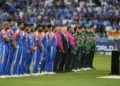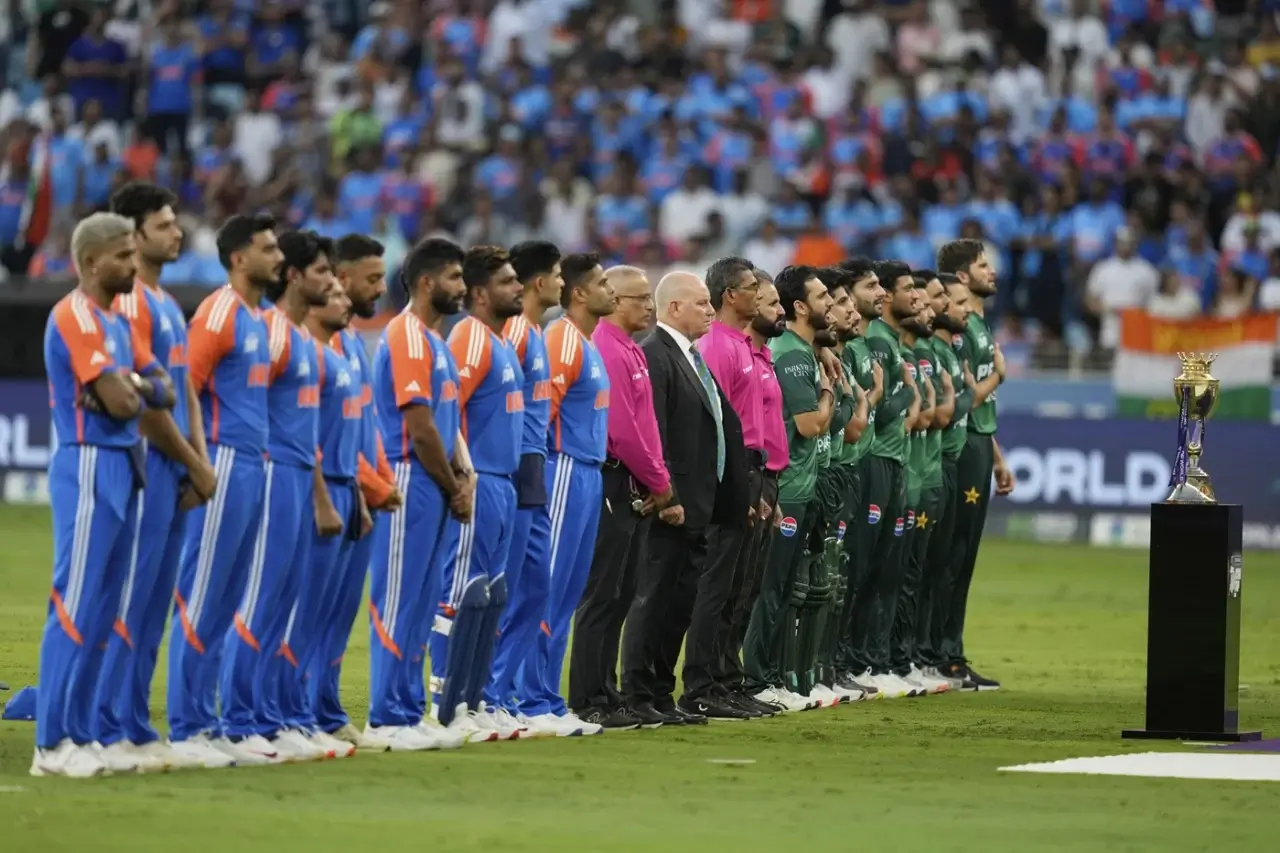
Pakistan’s declaration refusing to play India did not emerge from cricket corridors. It came directly from the Pakistan government, delivered through a public statement rather than formal cricket channels. That distinction matters. This was not a board negotiating fixture conditions or security concerns. It was a political instruction imposed on a global sporting event already locked into schedules, broadcast contracts, and commercial guarantees.
By approving participation in the tournament but excluding a single opponent, Pakistan introduced a concept the ICC has always resisted: selective competition. World Cups rely on fixed assumptions. Every team plays every scheduled match. Remove one brick and the entire structure weakens. That is why this decision instantly escalated beyond bilateral politics into a governance crisis.
The announcement also bypassed established protocol. No official letter was sent to the International Cricket Council. No emergency board meeting was requested. Instead, a government post on social media sparked global uncertainty. In governance terms, that is unprecedented.
Why Selective Participation Is a Red Line for the ICC?
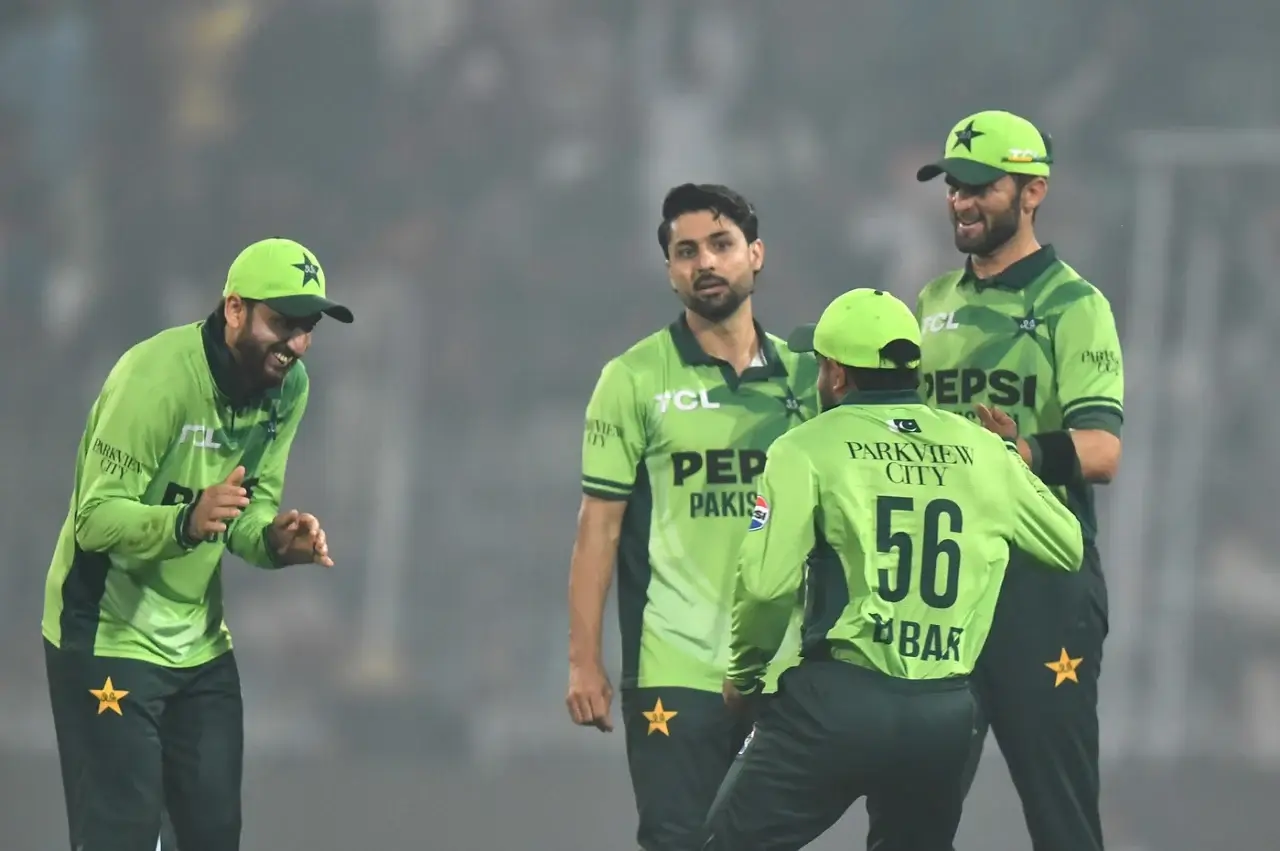
The ICC’s unusually firm language was not accidental. Selective participation strikes at the heart of its authority. If one member can refuse a marquee fixture while continuing in the same tournament, the ICC’s ability to enforce future schedules collapses. Today it is India–Pakistan. Tomorrow, it could be any politically sensitive matchup for ts timeline against Bangladesh and Pakistan.
The timing sharpened the impact. With the tournament weeks away and teams already finalizing logistics, the decision forced administrators into reaction mode. It also placed the Pakistan Cricket Board in a difficult position—caught between national authority and international obligation. The result was instant instability in a tournament designed to project certainty.
The ICC is structured to remain neutral between governments. Its tournaments are governed by qualification, not diplomatic approval. Once that separation erodes, the ICC becomes vulnerable to pressure from every political dispute that touches cricket. That is why its response focused on principles rather than personalities.
Words like “sporting integrity,” “consistency,” and “fairness” were not rhetorical flourishes. They were legal positioning. The ICC was signaling that tournament participation is not modular. Teams cannot opt in and out of individual fixtures without consequences. Doing so would undermine broadcast guarantees, sponsorship contracts, and competitive balance.
This is also why the ICC avoided immediate sanctions. Acting too fast risks escalating tensions. Acting too slowly risks normalizing defiance. The current posture—firm statements, no concessions, waiting for official communication—keeps pressure exactly where the ICC wants it: on the PCB to resolve the issue internally before the governing body is forced to act.
The PCB’s Strategic Silence and Its Calculated Ambiguity
The Pakistan Cricket Board has not formally confirmed the boycott. That silence is strategic. Without written communication, the ICC cannot trigger disciplinary procedures. As long as the decision exists only as a government statement, the PCB retains maneuvering space.
This approach mirrors previous standoffs. In earlier tournaments, the PCB has delayed decisions until the final hours, using uncertainty as leverage. The current situation follows the same pattern. Public pressure builds. Stakeholders panic. Then, at the last moment, a compromise emerges.
But this time the stakes are higher. The ICC has already drawn a boundary. Refusing to acknowledge social media as official communication forces the PCB to either formalize its position or quietly retreat. Every day without a letter keeps the crisis unresolved, but also prevents escalation.
Internally, the PCB faces competing pressures. Government directives cannot be ignored. But international isolation would damage Pakistan cricket far beyond a single tournament. The silence suggests the board is buying time, hoping political optics can shift without triggering institutional penalties.
The India–Pakistan Fixture: Why One Match Carries Massive Weight
This fixture is not just another group game. It is the tournament’s commercial engine. Broadcasters price the entire World Cup assuming this match is included. Sponsors activate campaigns around it. Ticketing models depend on it.
Financially, the loss cannot be isolated. While estimates suggest over INR 200 crore in direct value, the real impact is systemic. Advertising bundles, viewership projections, and global broadcast commitments are built on aggregate reach. Remove the biggest spike and the curve flattens.
Beyond money, the fixture defines narrative momentum. World Cups thrive on emotional peaks. India vs Pakistan is the highest peak cricket offers. Its absence reshapes the tournament’s cultural footprint, especially in South Asia.
This is why the ICC cannot simply reschedule or replace the match. Doing so would acknowledge that marquee fixtures are optional. That precedent would haunt every future tournament negotiation.
Why Sri Lanka Hosting Adds a Complicating Layer?
All of Pakistan’s matches are scheduled in Sri Lanka, neutral territory chosen specifically to accommodate political sensitivities. That makes the boycott harder to justify on logistical or security grounds.
The venue was meant to remove friction. Instead, it highlights the political nature of the decision. With no travel concerns and neutral hosting, the refusal appears symbolic rather than practical.
For the ICC, this matters. Neutral venues are a compromise tool. If even that fails, the governing body loses one of its most effective conflict-management mechanisms.
Group A Integrity and Competitive Fairness at Risk
Pakistan shares Group A with the USA, the Netherlands, Namibia, and India. A forfeited India match distorts qualification pathways. The points distribution becomes uneven. Net run rates lose context. Teams advancing from the group may do so under altered conditions in Pakistan timeline.
World Cups depend on competitive symmetry. Every team must face comparable challenges. A boycott introduces asymmetry that no post-hoc adjustment can fully correct. This is another reason the ICC sees selective participation as unacceptable.
Political Messaging Versus Sporting Consequences
Governments operate on symbolism. Sporting bodies operate on systems. The current standoff is a collision between those logics. Political messaging seeks immediate domestic resonance. Sporting governance prioritizes long-term stability.
The danger lies in misalignment. A decision that plays well politically can damage a sport’s institutional standing for years. The ICC’s statements reflect awareness of that risk—not just for global cricket, but for Pakistan cricket itself.
What Real Sanctions Could Look Like if ICC Acts?
If pushed, the ICC has tools. Revenue redistribution, tournament access, and bilateral scheduling leverage all sit within its influence. Even indirect pressure—such as discouraging NOCs for leagues—can have lasting effects.
None of these options are ideal. That is why the ICC prefers resolution over punishment. But the existence of these tools shapes negotiations behind closed doors.
9. Historical Precedents Suggest a Late Climbdown
Cricket history is filled with last-minute reversals. Threats often dissolve when consequences crystallize. Administrators know this. So do boards. The absence of formal communication strongly suggests the situation remains fluid.
Time favors compromise. With weeks remaining, diplomatic channels still have space to operate. The ICC’s patience reflects confidence that pressure will eventually work.
Why Fans Are the Silent Stakeholders in This Crisis?
Millions of fans across borders are affected by decisions they have no voice in. The ICC’s reference to fan welfare was not incidental. It framed the issue morally, not just administratively.
Cricket’s global value is emotional. Undermining that connection risks long-term disengagement. Administrators understand this, even if politics sometimes obscures it.
Every governing body faces defining moments. This is one for the ICC. How it resolves this standoff will signal to all member boards what limits exist—and which do not.
Too soft, and authority erodes. Too harsh, and relationships fracture. The balance lies in forcing resolution without appearing coercive.
The next move is the PCB’s. Either it formalizes the boycott or finds a path to compliance. Until then, uncertainty remains the dominant force shaping this World Cup’s narrative.
One match has become a referendum on governance, economics, and the future balance between politics and sport. That is why this standoff matters far beyond February 15.