The biggest match of the T20 World Cup 2026 is officially back on the table. After days of uncertainty, diplomatic pressure, and behind-the-scenes negotiations, the India–Pakistan clash scheduled for February 15 in Colombo will go ahead as planned. For the tournament, the decision removes a cloud that threatened to overshadow the competition. For world cricket, it preserves its most powerful spectacle.
This was never just a scheduling issue. It involved governments, boards, broadcasters, and the global cricket economy. The eventual clearance highlights how deeply intertwined cricket has become with politics and commerce, especially when India and Pakistan share the same fixture.
What follows is not just a match preview. It is an explanation of how the game survived a potential boycott, why multiple boards were drawn into the discussion, and why this single fixture carries weight far beyond two points in a group table.
High-Level Clearance Ends Boycott Threat
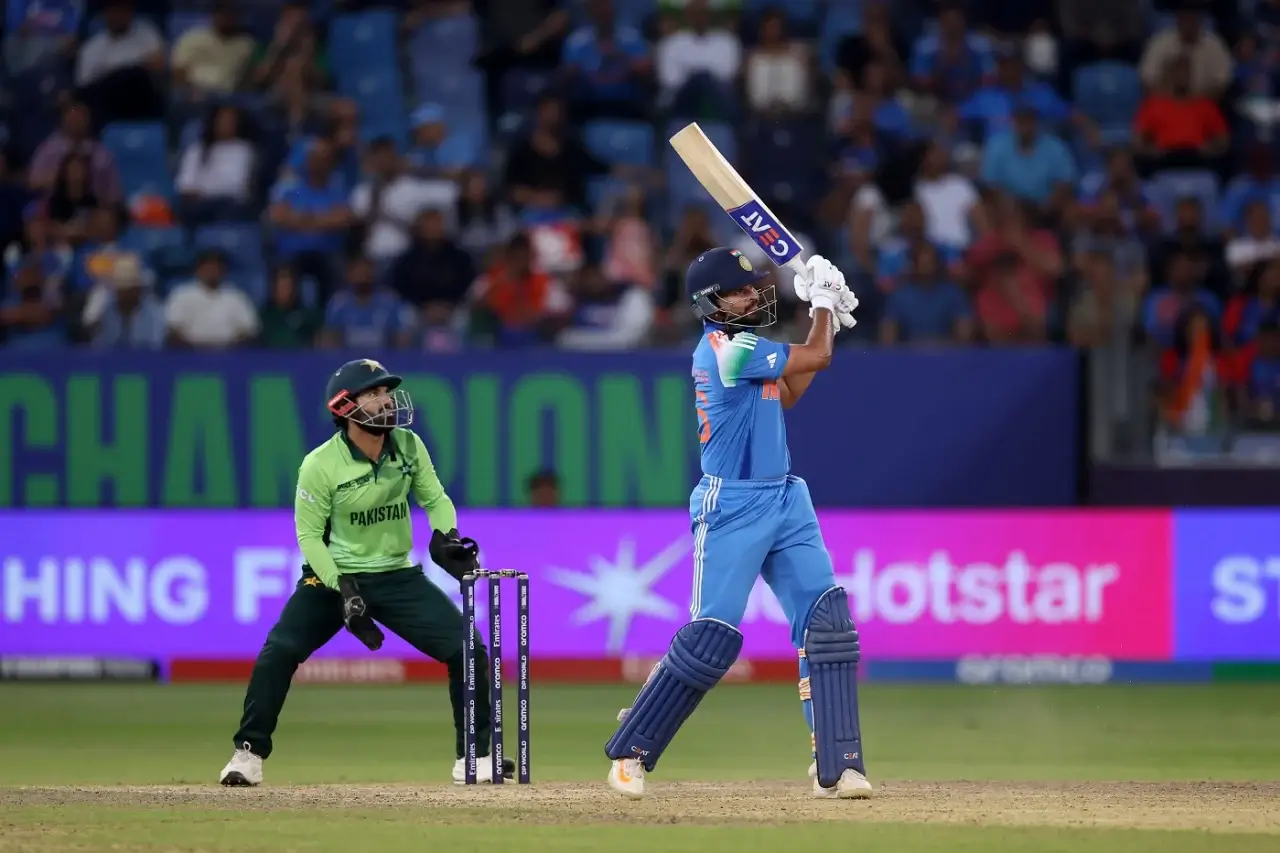
The uncertainty ended after Pakistan’s Prime Minister Shehbaz Sharif approved his team’s participation in the February 15 match. The clearance followed a tripartite meeting involving the International Cricket Council, the Pakistan Cricket Board, and the Bangladesh Cricket Board.
The PCB had earlier indicated it was acting on government advice while considering a boycott. That position created anxiety within the tournament ecosystem, particularly for Sri Lanka, the host nation. Once the political green signal arrived, the PCB formally confirmed that Pakistan would honour the fixture.
The decision restored certainty, but it did not bring Pakistan any visible concessions. The marathon discussions ended with Pakistan agreeing to play without extracting structural changes to the tournament. In effect, the pressure to preserve the game outweighed leverage.
That solidarity argument resonated. Losing the India–Pakistan game would have hurt not just broadcasters but also local stakeholders tied to ticketing, sponsorship, and tourism. Colombo was always meant to be the centrepiece venue. With the game now confirmed, the city regains its moment on the world stage.
Bangladesh, the ICC, and a Separate Resolution
While Pakistan’s participation grabbed headlines, Bangladesh’s situation was resolved on a parallel track. The ICC confirmed that it would impose no financial, sporting, or administrative sanctions on the BCB, despite Bangladesh refusing to play in India earlier and being replaced by Scotland in the marquee event.
The ICC reiterated that Bangladesh retains the right to approach its Dispute Resolution Committee if it chooses. More importantly, an understanding has been reached that Bangladesh will host an ICC event before the 2031 Men’s World Cup, subject to standard processes.
This softer approach reflects the ICC’s preference for mediation over punishment. It also explains why Pakistan eventually found itself isolated in its boycott stance.
Why an India–Pakistan World Cup Match Is Commercial Gold?
An India–Pakistan match is not just another fixture. It is the commercial backbone of any ICC event. While figures of $250 million per match have circulated widely, the reality is more nuanced.
Industry estimates suggest an Asia Cup India–Pakistan game is valued at roughly $15 million in media rights. A World Cup match carries significantly higher prestige, audience reach, and advertising demand. Conservatively, such a game could be worth $30–35 million in pure rights value.
That number grows substantially when ticketing, corporate boxes, merchandise, and in-stadium advertising are included. Former ICC CFO Faisal Hasnain has noted that advertising revenue alone from a single match can approach $60 million.
Taken together, the total commercial impact of an India–Pakistan World Cup clash can realistically sit in the $200–250 million range. That is why its absence would have left a massive hole in the tournament’s financial model.
Why the ICC Could Not Afford This Match to Disappear?
The ICC’s four-year media rights cycle is built around India games, and India–Pakistan encounters are its crown jewels. Star Sports paid $3.2 billion after an intense bidding war, largely driven by the promise of marquee fixtures.
Any boycott would have triggered complex compensation debates and potentially strained relationships with broadcasters. Even withholding PCB revenue shares would not have fully offset the wider losses.
From the ICC’s perspective, ensuring the match went ahead was not optional. It was essential.
With clearance secured, the focus shifts back to cricket. But the context remains important. This match now symbolizes more than rivalry. It represents compromise, pressure, and the delicate balance between sport and geopolitics.
On February 15 in Colombo, the world will watch as usual. Few will remember the meetings, the statements, or the threats. But the fact that they happened explains why this fixture still holds unmatched power in global sport.
India–Pakistan Games Operate Outside Normal Sporting Logic
No other cricket match exists outside sporting logic quite like India versus Pakistan. Form becomes secondary. Conditions matter less. Even team balance can feel irrelevant once the game begins. That is because this fixture functions on emotional and psychological planes most contests never reach.
Players speak often about pressure, but this game introduces a different category entirely. Every mistake is magnified. Every moment is replayed endlessly. Success creates instant heroes. Failure lingers for years. This environment reshapes decision-making in real time.
Coaches plan meticulously, yet improvisation often decides outcomes. Captains may abandon pre-match strategies under crowd noise and scoreboard tension. Batters who dominate other opponents suddenly hesitate. Bowlers overthink their best deliveries.
This distortion is why India–Pakistan matches produce extremes. Either clinical domination or dramatic collapse. Rarely a normal contest.
For tournaments, this unpredictability is both risk and reward. One match can define an entire campaign’s emotional arc. Teams entering this fixture know momentum can swing permanently in either direction.
That reality explains why administrators fight to protect the fixture. It is not just commercially valuable. It is narratively irreplaceable. Remove this game, and a World Cup loses its emotional axis.
February 15 will again test players not just as athletes, but as competitors capable of surviving unmatched scrutiny. That is why no amount of planning ever makes this game routine.
Why Neutral Venues Have Become the Only Viable Solution?
Colombo hosting India–Pakistan is not accidental. It reflects a long-term shift in how cricket manages political realities without sacrificing marquee events. Neutral venues have become the only workable compromise.
Playing in India or Pakistan is politically untenable. Playing nowhere is commercially impossible. Neutral hosts bridge that gap.
Sri Lanka’s role is particularly important. Its cricket board understands the economic upside, but also the diplomatic sensitivity. Hosting such matches requires logistical excellence, security coordination, and political neutrality.
Neutral venues also change the sporting dynamic. Home advantage disappears. Crowd support splits unevenly but passionately. Pressure equalizes in strange ways.
Players adapt differently. Some thrive without home expectations. Others miss familiarity. These factors add another layer of unpredictability.
From the ICC’s perspective, neutral venues preserve the fixture while minimizing risk. From broadcasters’ perspective, they guarantee spectacle without disruption.
Colombo has now become part of this tradition. A city where rivalry survives without escalation. That alone makes the February 15 game symbolically significant.
How Players Are Shielded from the Noise Before the Match?
In the build-up to India–Pakistan games, the most important work happens away from nets. Teams invest heavily in mental shielding. Media access is restricted. Messaging becomes repetitive by design.
Players are encouraged to treat the match as just another game, even though everyone knows it is not. This psychological contradiction must be managed carefully.
Senior players act as buffers. They absorb attention. They deflect questions. Younger players are protected from spotlight overload. Captains are briefed to maintain calm narratives. Coaches emphasize process language. Anything that adds emotional weight is discouraged.
Despite these efforts, pressure leaks in. Social media. News cycles. Family expectations. National sentiment. The difference between winning and losing often lies in who handles this leakage better.
India and Pakistan both understand this. Their preparation for February 15 will focus as much on emotional control as on tactics. That is why players often say the game begins days earlier. By match day, nerves are already spent.
What a February 15 Result Could Mean for the Tournament?
This match will influence the T20 World Cup far beyond Group points. It will shape momentum, confidence, and public narrative.
A win creates breathing room. A loss invites scrutiny. For defending champions or challengers alike, the emotional swing is massive.
Teams often ride the result into subsequent games. Confidence flows. Pressure eases. Or doubt creeps in.
History shows that India–Pakistan results frequently act as momentum triggers. Winning teams rarely collapse immediately afterward. Losing teams often need time to reset. For neutral teams in the group, the result also matters. That is why everyone circles February 15, not just the two teams involved. By the time the ball is bowled, this will already be the tournament’s defining moment. Everything that follows will reference it.