

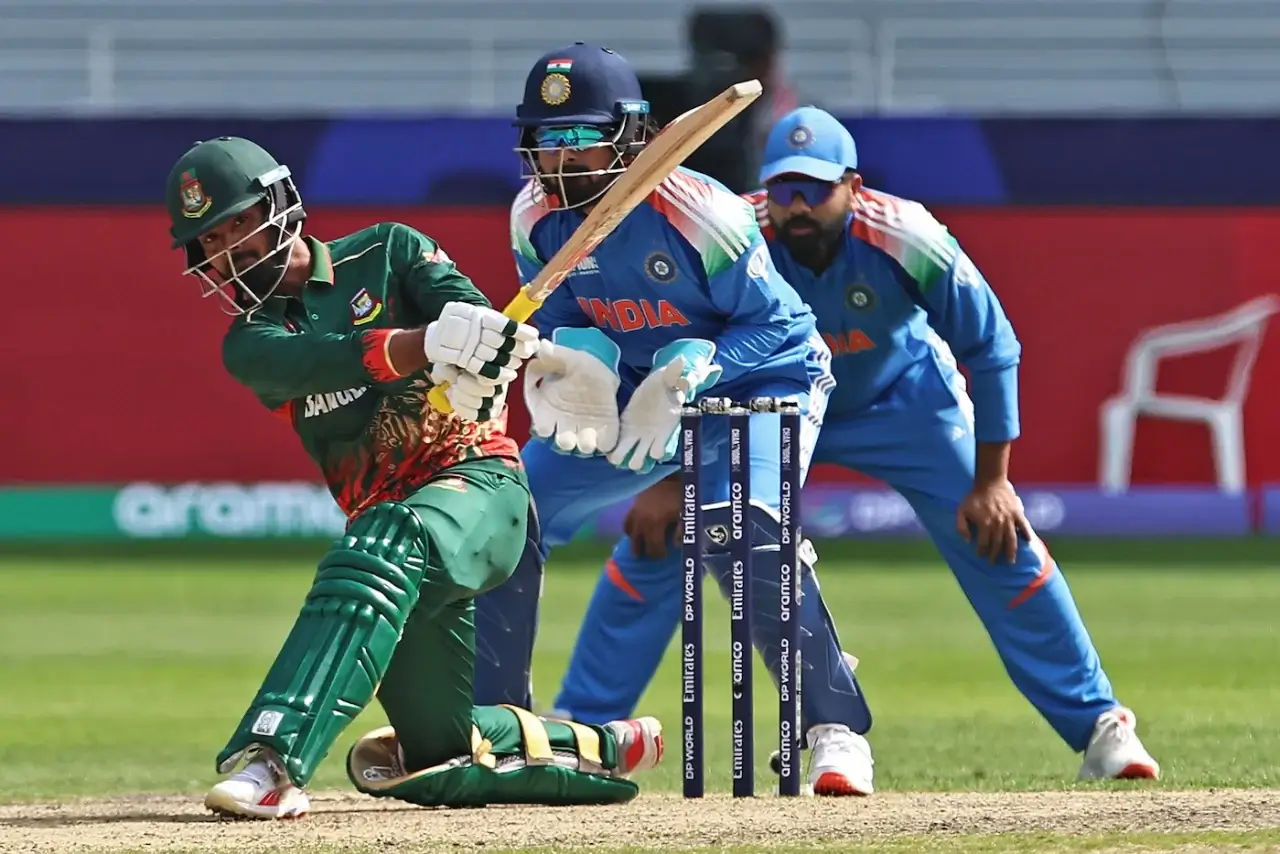
India vs Bangladesh contests are often misunderstood. On paper, the rivalry appears lopsided. Results usually favor India national cricket team. Yet match flow tells a different story. Bangladesh rarely allow India comfort. These games stretch deeper than expected, forcing India to solve problems rather than cruise. Bangladesh no longer approach India with hope alone. They arrive with plans, specialists, and situational belief. India, meanwhile, treat these series as examinations rather than spectacles. Rotation, experimentation, and role testing shape selection choices. This article explains why India vs Bangladesh matches matter more than scorelines suggest. It explores pressure patterns, tactical themes, and what both teams learn every time they meet.
Why Bangladesh Create Discomfort Even When Losing?
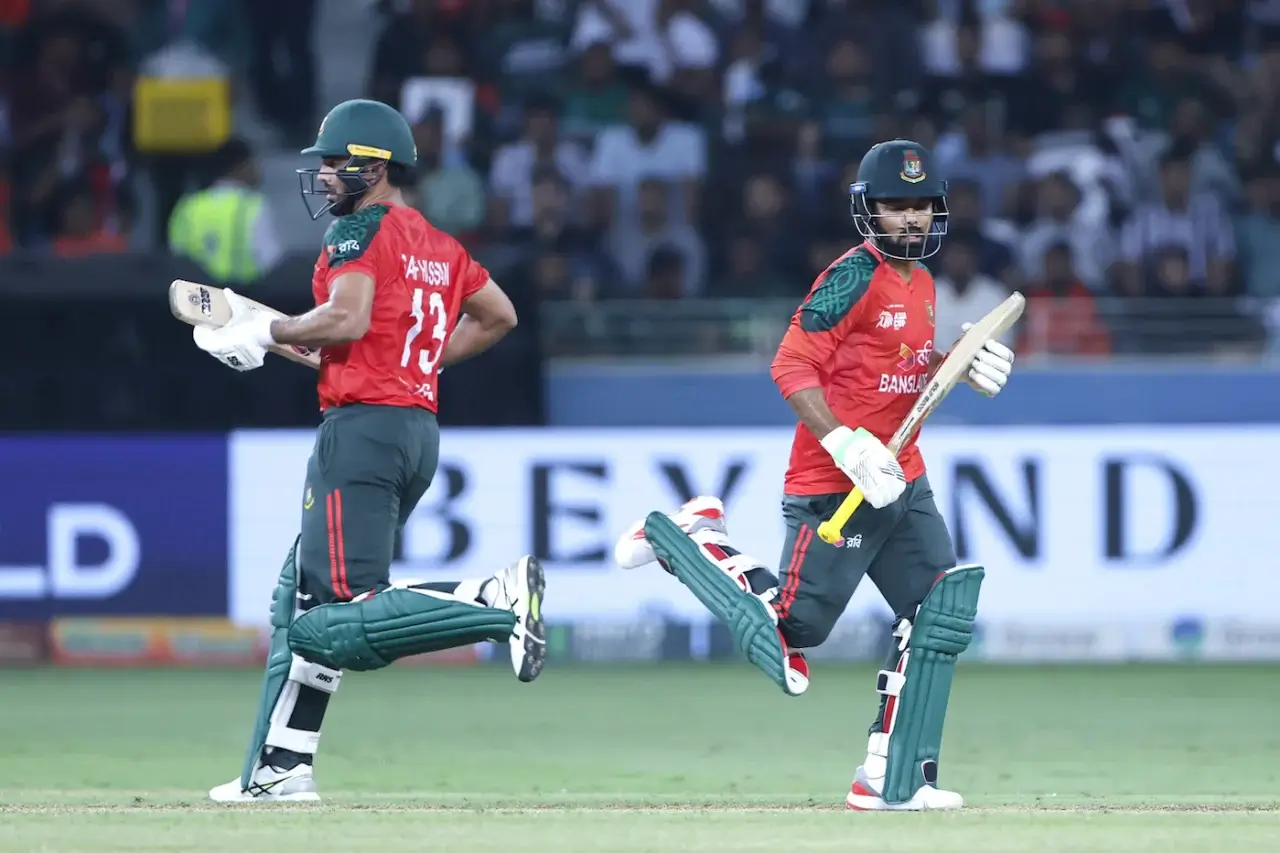
Bangladesh’s greatest strength against India is sustained pressure. They rarely chase miracles. Instead, they slow games deliberately. Bowlers hit consistent lengths. Spinners squeeze scoring zones. Batters target specific matchups rather than overall dominance. This approach frustrates India’s rhythm. Even when wickets fall, Bangladesh extend phases. That extension forces India into longer concentration cycles. Mistakes emerge late, not early. Bangladesh understand they may not win sessions. They aim to complicate them. This tactical maturity has grown over the past decade. Losses now feel competitive rather than resigned. Against India, discomfort is Bangladesh’s currency.
How India Use Bangladesh Series for Long-Term Planning?
India often experiment most visibly against Bangladesh. Squad rotation appears frequent. Roles are tested quietly. This is not disrespect. It is strategic use of context. Bangladesh provide competitive resistance without the volatility of marquee rivalries. That allows India to assess depth under pressure. New batters face spin-heavy conditions. Bowlers test control rather than raw pace. Captains practice field placements without crowd-driven urgency. These series help India calibrate future tournaments. Results matter, but learning matters more. Bangladesh, in effect, become India’s live testing ground. This dynamic shapes selection debates far beyond bilateral outcomes.
Why Scorecards Fail to Capture the True Contest
India often win comfortably by runs or wickets. Yet those margins hide struggle. Required rates climb slowly. Partnerships take time to break. Bangladesh force India into risk management rather than dominance. A 70-run win may include two tense middle phases. A five-wicket chase may stall unexpectedly. Scorecards reward outcomes. Matches reveal process. Against Bangladesh, India’s process is constantly challenged. This is why analysts value these contests. They expose habits. They reveal adaptability. Bangladesh’s ability to stretch games creates learning that heavy defeats elsewhere do not.
The Spin Battle That Shapes This Rivalry
Spin defines India vs Bangladesh more than pace. Bangladesh rely heavily on spin control in home conditions. India counter with footwork and rotation rather than brute force. This battle often decides tempo. When India rotate strike freely, Bangladesh lose grip. When dot balls build, India feel pressure. Bangladesh spinners rarely chase wickets recklessly. They bowl to fields and patience. India’s response determines dominance. These contests sharpen India’s spin game for global tournaments. Bangladesh benefit too, testing discipline against elite batters. This shared focus elevates match quality beyond rankings.
Mental Shifts That Changed Bangladesh’s Approach
Earlier Bangladesh sides often played India emotionally. Wins felt historic. Losses felt heavy. That mindset has changed. Current Bangladesh teams approach India clinically. Celebration is muted. Planning is emphasized. This mental reset has narrowed performance gaps. Players now focus on phases rather than reputations. Indian stars are treated as puzzles, not idols. That shift matters. It has reduced collapses and panic. Bangladesh still lose often. But they lose with intent. That intent forces India to stay sharp. Complacency rarely survives these contests now.
Why This Rivalry Still Matters for Modern Cricket?
India vs Bangladesh reflects modern international cricket realities. Rankings matter less than readiness. Bilaterals serve broader goals. Bangladesh test India’s adaptability. India test Bangladesh’s growth. The rivalry is no longer about shock results. It is about sustained examination. Each series leaves both teams clearer about their trajectory. India refine systems. Bangladesh measure progress honestly. That mutual utility keeps this rivalry relevant. It may not dominate headlines globally. But tactically, it remains one of the most instructive matchups in contemporary cricket.